Your Sleeping Position at Night Might Be Causing Wrinkles No Serum Can Fix
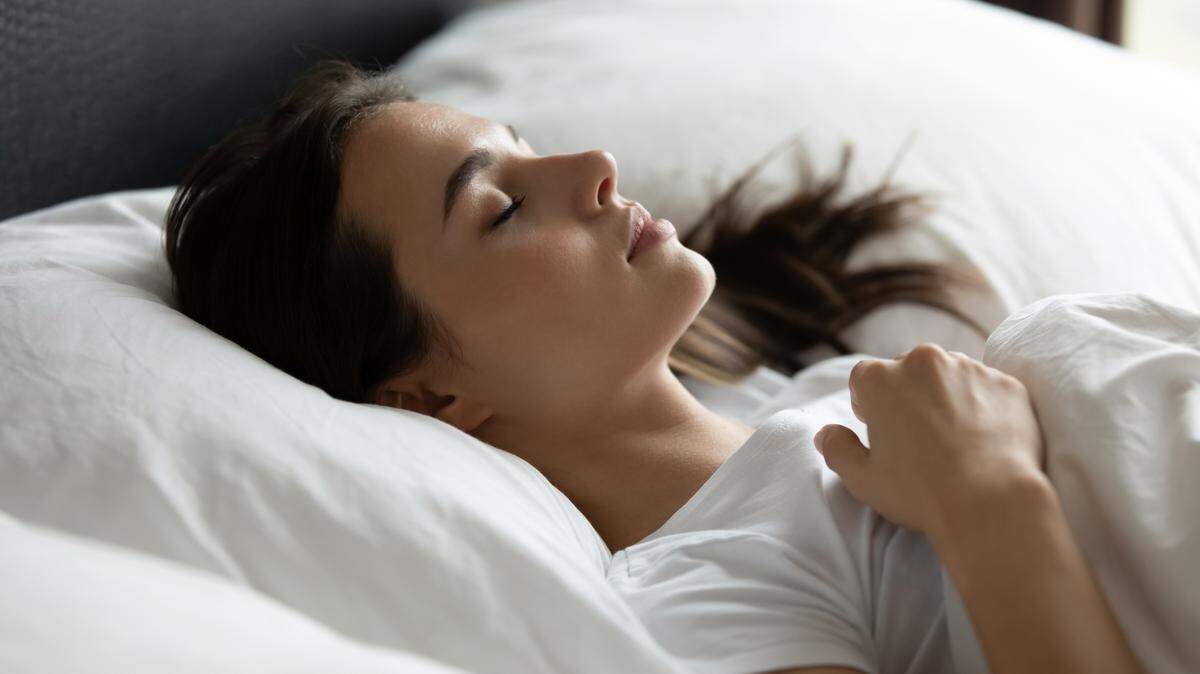
You’ve got the retinoid. You’ve got the vitamin C. You’re wearing SPF every morning. But if you’re sleeping on your side, you might be undoing a portion of that effort every single night.
Roughly 65% of the population sleeps on their side, and research shows that habit creates a specific type of facial aging that’s entirely separate from the lines caused by smiling or squinting.
Sleep Wrinkles Are Real (and They Don’t Respond to Botox)
A study published in the Aesthetic Surgery Journal found that side and stomach sleeping generates compression, shear and stress forces that gradually create permanent creases in facial skin. These “sleep wrinkles” form at sites where the skin is anchored to underlying bone by retaining ligaments, and they’re mechanically distinct from expression lines. That distinction matters because Botox relaxes muscles, but sleep wrinkles aren’t caused by muscles. They’re caused by your face being folded against a surface for thousands of hours over the years.
Older adults are especially vulnerable. Younger sleepers shift positions about 27 times per night, while older adults shift roughly 16 times. Fewer shifts mean longer compression on the same facial areas, which is part of why sleep wrinkles deepen noticeably after your 30s.
This is landing at the right moment culturally. “Prejuvenation,” or preventive anti-aging starting in your 20s and 30s, is a leading dermatology trend for 2026. If prevention is the strategy, sleep position belongs in the conversation alongside SPF and retinoids.
What Back Sleeping Changes for Your Skin
Switching to back sleeping removes facial compression from the equation completely. Your cheeks, forehead and jawline stay off the pillow, which eliminates the mechanical folding that creates sleep wrinkles over time.
There’s a practical skincare benefit too. Night serums, retinoids and moisturizers stay on your face instead of absorbing into your pillowcase. If you’re spending $30 to $100 or more on a nightly treatment, keeping it where it belongs is a straightforward return on investment.
Gravity also works differently on your back. Fluid drains evenly across the face rather than pooling on the side you’re sleeping on, which reduces morning puffiness.
And about silk pillowcases: the marketing is appealing, but clinical evidence that they prevent sleep wrinkles is essentially nonexistent. Silk may help with hair friction, but it doesn’t solve the compression problem. Only keeping your face off the pillow does that.
The Benefits Beyond Your Face
Back sleeping also supports spinal alignment by placing your head, neck and spine in a neutral position. A 2019 review found that back and side sleeping produce significantly less spinal pain than stomach sleeping. Harvard sleep specialist Dr. John Winkelman notes that back sleeping avoids sideways force on the spine entirely.
With slight head elevation, it can also help manage acid reflux by keeping stomach acid from flowing into the esophagus, per the Sleep Foundation. That same elevation helps drain sinus congestion from seasonal allergies.
How to Actually Make the Switch
Start with a pillow under your knees. This takes pressure off the lower back and is the Sleep Foundation’s recommended first move for new back sleepers.
Build a barrier. Body pillows or rolled towels on either side of your torso discourage your body from rolling during the night.
Try a weighted blanket. The pressure replicates the cozy feeling of side sleeping and can help you stay put.
Get your head pillow right. Medium loft that keeps your chin aligned with your sternum. If your head tilts back or your chin pushes forward, adjust.
Stretch before bed. Gentle hip flexor and lower backstretches help your body settle into the position instead of fighting it.
Give yourself grace. Adults shift 11 to 45 times per night, so nobody stays in one position all night. Even partial back sleeping counts. Habit formation research suggests it takes 18 to 254 days to lock in a new habit. If you wake up on your side, roll back and keep going.
One caveat: people with obstructive sleep apnea, chronic snoring or pregnancy from the second trimester onward should check with a doctor first, per Consumer Reports.
Your skincare routine doesn’t end when you apply your last product. It continues for the next seven to eight hours depending on what your face is pressing against. Back sleeping is the one adjustment that protects everything you’ve already invested in.
This article was created by content specialists using various tools, including AI.
This story was originally published April 9, 2026 at 3:59 PM.