What It Actually Takes To Freeze Your Eggs in 2026: New Mandates and Drug Discounts
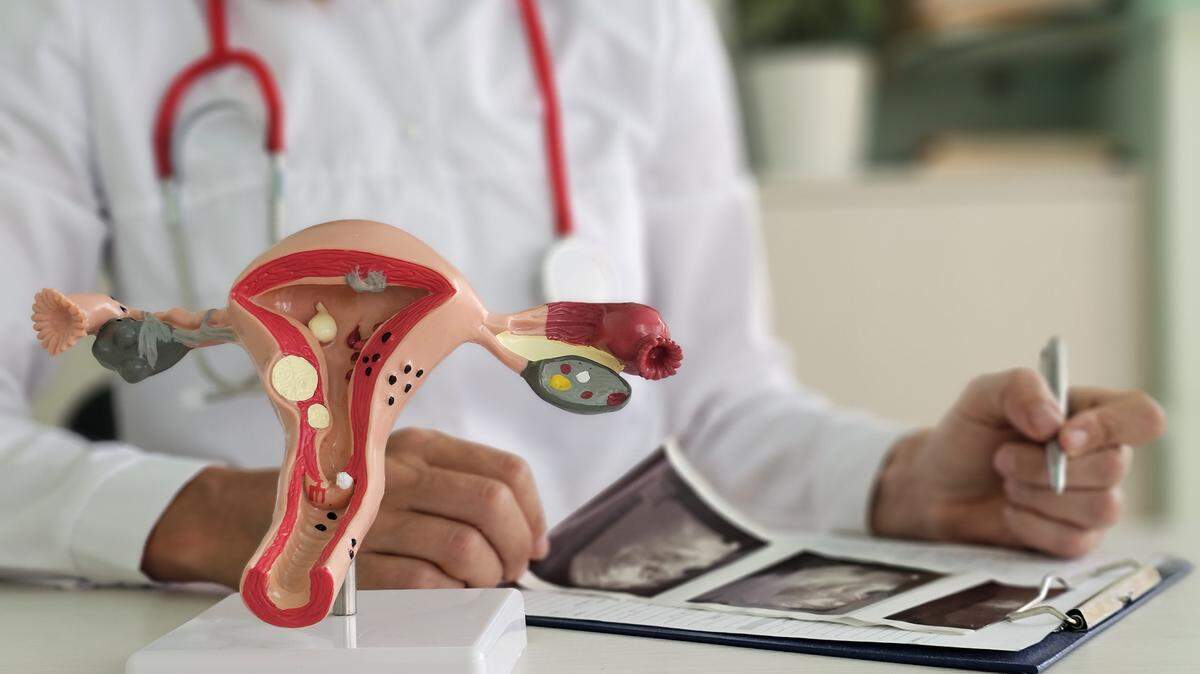
Egg freezing got cheaper for some Americans this year. Between new state coverage laws, a federal medication discount and more employers adding fertility benefits, the financial picture is shifting. But the sticker price is still steep for most people, and the fine print matters. Here’s what’s actually changed and what hasn’t.
What a Full Egg Freezing Journey Costs Now
The number you’ll see quoted most often is $16,000 per cycle. That’s the national average from FertilityIQ’s patient-reported data, covering approximately $11,000 in clinic fees and $5,000 for fertility medications billed through a pharmacy.
That per-cycle figure can be misleading. Most women go through two retrieval cycles, and over 20% complete three, because a single round often doesn’t yield enough eggs for a strong chance at future pregnancy. Storage fees between $500 and $1,000 per year begin immediately and don’t stop until you either use or discard your eggs. Total spending across a complete egg freezing journey typically falls between $11,000 and $32,000 before you ever get to the IVF stage.
Clinic pricing also varies dramatically by city. Practices in metros like New York routinely charge over $18,000 per cycle, while clinics in places like Denver or Atlanta hover closer to $10,000, all while operating under the same ASRM guidelines.
2026 Policy Changes That Could Lower Your Bill
Three developments are worth knowing about this year.
State mandates are growing. 25 states and D.C. now require some form of fertility coverage in private insurance. California’s SB 729, which took effect in January 2026, is among the most significant, mandating that large-group plans cover IVF and medically necessary preservation with up to three egg retrievals. Illinois broadened eligibility and added genetic testing coverage this year. Minnesota’s Building Families Act now covers infertility treatment including IVF for large-group plans. Florida added fertility preservation requirements for state plans tied to iatrogenic infertility.
A federal discount on fertility drugs. TrumpRx.gov went live in February 2026 with up to 84% off list prices on Gonal-f, Ovidrel and Cetrotide through EMD Serono’s deal with the White House. CMS estimates up to $2,200 in savings per cycle on those three medications. The program doesn’t cover other commonly prescribed drugs like Follistim, Menopur or progesterone, and the discounts can’t be stacked with insurance or applied to deductibles.
More employers are adding fertility benefits. A Mercer survey found 19% of companies with 20,000 or more employees now cover egg freezing. Google offers $75,000 lifetime, Microsoft provides $50,000 and Starbucks covers $25,000 plus $10,000 for prescriptions, per Rescripted. If you’re job hunting or negotiating an offer, these benefits can be worth tens of thousands of dollars.
The biggest gap in all of this: self-insured employer plans, which cover the majority of U.S. workers, are exempt from state mandates entirely.
Why Most Insurance Still Won’t Cover Elective Freezing
Despite these changes, most people paying for egg freezing are still paying out of pocket. Only about 20% of large companies include elective egg freezing in their benefits.
Medically necessary preservation is a different story. If you’re facing cancer treatment or another condition that threatens fertility, insurers like Aetna, Cigna and certain BCBS plans are more likely to provide coverage. Diagnostic testing and initial consultations are the most commonly covered components even under standard plans.
Success Rates: What You Should Expect
Egg freezing works best when you freeze younger and bank more eggs. An eight-year Extend Fertility study of 3,142 patients showed a 70.3% live birth rate for women who froze at 40 or younger. Banking 20 or more eggs pushed success near 82%.
A meta-analysis covering thousands of women found that freezing at 35 or younger produced live birth rates around 52%, while waiting until after 40 dropped that figure to about 19%.
The less-discussed reality: SART data shows fewer than 6% of women came back to use frozen eggs within seven years. Among those who did, the live birth rate was 28.9%. Most people continue paying annual storage without ever using what they’ve banked, and IVF itself costs around $23,000 per cycle when that day comes.
Egg freezing isn’t a guarantee. But if the timing and finances align, the earlier you start, the better your odds.
This article was created by content specialists using various tools, including AI.