How One Rotisserie Chicken Becomes 5 Meals for Under $7: Minimal Cooking Required
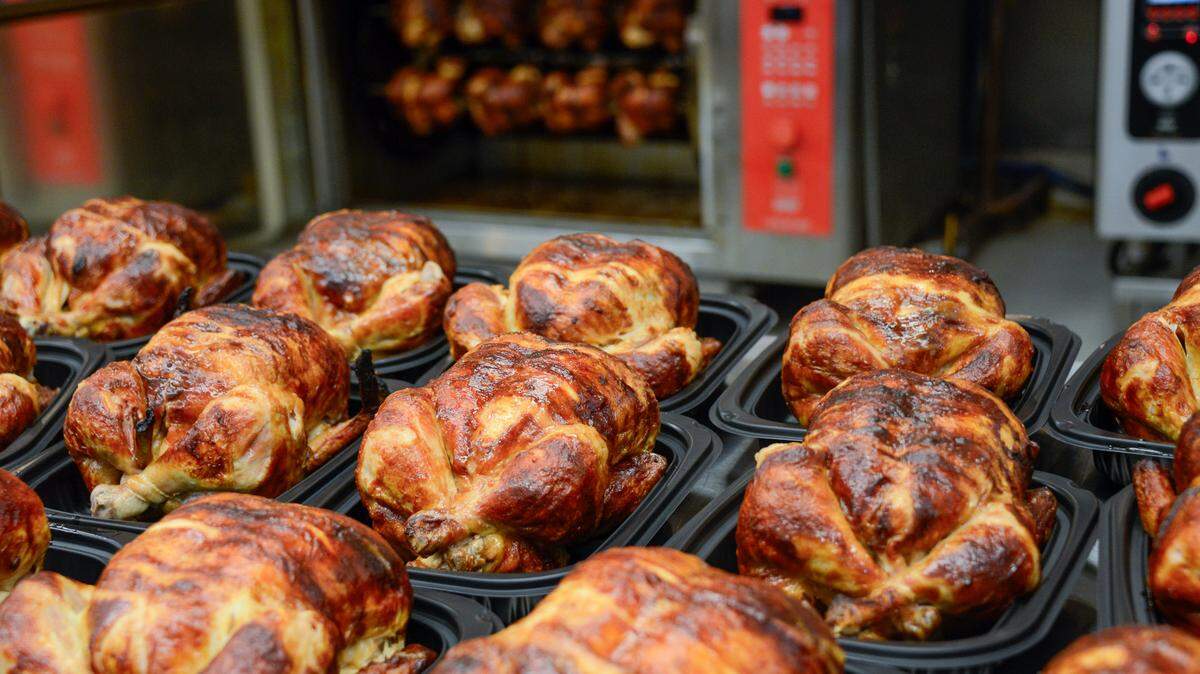
That $5 to $7 rotisserie chicken you keep walking past at the grocery store? It can cover your dinners and lunches for most of the week. No raw meat to deal with, no complicated recipes, and the total cost is less than a single delivery order from the app you’re probably opening right now.
The Math Actually Works in Your Favor
A standard rotisserie chicken weighs about 2 to 3 pounds cooked and yields roughly 3 to 4 cups of shredded meat once you pull it off the bone. That’s about 1.5 pounds of ready-to-eat protein. A Costco bird at 3 pounds can push up to 5 to 6 cups. At $5 to $7 for most store brands, you’re paying roughly $3 to $4 per pound of cooked chicken, which actually costs less than raw boneless breast at the meat counter.
That’s not a pricing error. A PBS analysis found that raw whole chickens at major grocers frequently carry higher price tags than the cooked rotisserie sitting in the deli. Stores intentionally sell these birds at a loss to get you through the door. Costco’s has stayed at $4.99 since 2000. Sam’s Club charges $4.98. With grocery prices still climbing in 2026, rotisserie chicken is one of the few items that’s held the line, and Costco moved 157.4 million of them in fiscal year 2025 alone.
Step One: Shred It While It’s Warm
This is the move that makes the whole system work. The meat practically falls apart when the chicken is still warm. Wait until it cools and you’ll be fighting the bones for every piece.
As soon as you get home, pull all the meat off and separate white from dark. White meat is better for salads, wraps and sandwiches. Dark meat brings richer flavor to soups, stir fries and anything saucy. Store it all in airtight containers.
Here’s where cooking for one actually has an advantage: you don’t have to use everything this week. Freeze half in one to two cup portions and you’ve already got a head start on next week’s meals. Shredded chicken keeps for up to 4 days in the fridge or 6 months in the freezer.
Your 5-Meal Rotisserie Chicken Game Plan
Meal 1 (dinner): Eat the chicken as the main course. Drumsticks, wings and some sliced breast alongside rice, a baked sweet potato or whatever vegetables you’ve got. Easiest dinner of the week.
Meal 2 (lunch or dinner): Build a grain bowl. Rice or quinoa base, shredded chicken, whatever vegetables are in your fridge and a drizzle of sauce. This is basically the $15 fast-casual bowl you’ve been ordering, assembled at home for about $2.
Meal 3 (dinner): Chicken tacos, quesadillas or a wrap. Warm tortillas, shredded chicken, cheese and salsa. Done in under 10 minutes.
Meal 4 (lunch): Chicken salad. Mix shredded chicken with mayo or Greek yogurt, diced celery, salt and pepper. Eat it on bread, in a wrap, or straight out of the container between meetings.
Meal 5 (dinner): Stretch the last of the chicken into a one-pot soup or stir-fry. Toss a cup of shredded meat into broth with noodles and frozen vegetables, or stir-fry it with rice and soy sauce. Soups and stir fries are where rotisserie chicken stretches furthest because the other ingredients carry most of the meal.
Bonus: Before you toss the carcass, simmer it with water, an onion, a carrot and celery for about an hour. Strain it and you’ve got homemade chicken stock worth several dollars in store-bought broth. Freeze it for future soups and risottos.
Keep It Safe
Refrigerate the chicken within 2 hours of purchase. Use stored portions within 3 to 4 days. Reheat to an internal temperature of 165°F. These steps are quick but important when you’re stretching one purchase across several days.
One chicken. Five meals. Under $7. No special culinary skills required.
This article was created by content specialists using various tools, including AI.