What Really Happens When You Play Green Noise While You Sleep
If you’ve scrolled through a wellness app or heard someone mention a sleep hack from TikTok, chances are green noise has crossed your radar. The #greennoise hashtag has surpassed 1.1 million views on the platform, and brands like Oura, Calm and BetterSleep are actively promoting it. But before adding another app to your nightstand routine, it’s worth understanding what the science actually supports.
How Green Noise Differs From White Noise
Green noise refers to a mid-frequency sound profile centered around 500 Hz that mimics nature sounds like ocean waves, gentle rain and rustling leaves. It sits between white noise, which distributes energy equally across all frequencies, and brown noise, which leans into deeper, bass-heavy tones. People who find white noise too harsh often gravitate toward green noise for its softer, more organic quality.
One thing worth knowing: green noise isn’t an official scientific term. It’s a label adopted by sleep apps and sound machine brands. That doesn’t mean the underlying sounds lack merit, but any product claiming clinically proven “green noise” benefits is stretching beyond what research currently shows.
What Researchers Have Actually Found
According to the Sleep Foundation, there are currently zero controlled studies testing green noise specifically for sleep.
What researchers have studied are the natural sounds green noise is designed to imitate. A 2017 fMRI study at Brighton and Sussex Medical School found that nature sounds activated the parasympathetic nervous system, the body’s “rest and digest” response. This suggests the sounds green noise mimics may genuinely help the body shift toward relaxation.
But a newer finding introduces real caution. A February 2026 Penn Medicine study found that broadband noise played at 50 dB reduced REM sleep by nearly 19 minutes per night. This applies to all broadband sound colors, green noise included. REM sleep plays a vital role in memory consolidation, emotional regulation and cognitive function. The researchers also cautioned that all-night broadband noise may be especially risky for children, who spend significantly more time in REM sleep.
How to Use Green Noise Without Disrupting Your Sleep
Green noise can still serve a purpose for shift workers, city dwellers or anyone with racing thoughts at bedtime. The difference comes down to how you use it.
- Set a 30 to 60-minute timer instead of playing sound all night. This lets you fall asleep with support while reducing REM disruption risk.
- Keep the volume below 50 dB. If you have to raise your voice over it, turn it down.
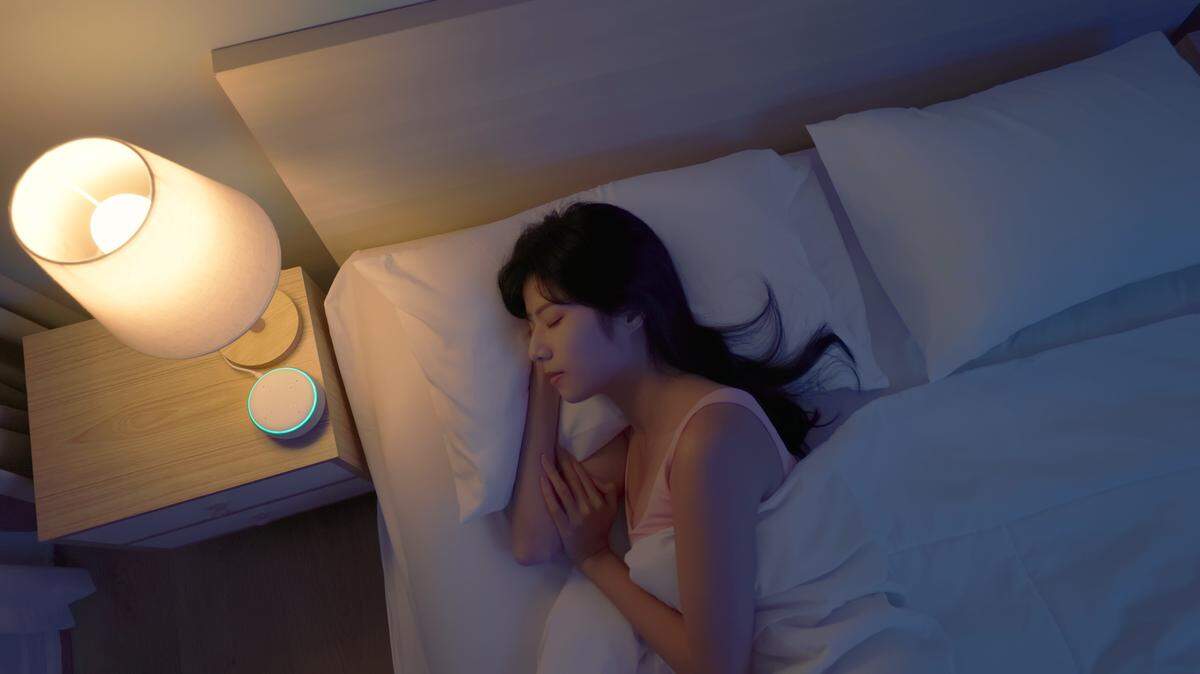
- Place the device across the room. Keeping it off your nightstand softens intensity and protects your ears.
- Consider earplugs first. The Penn Medicine study found earplugs outperformed sound machines for blocking environmental noise during sleep.
Green noise isn’t a scam, but it’s also not the miracle sleep fix that viral videos suggest. The nature-like sounds behind it may genuinely support relaxation, but playing any broadband noise all night carries measurable risks. The smartest approach: use it to wind down, then let your brain rest in quiet.
This article was created by content specialists using various tools, including AI.