Dark Showering Could Help You Fall Asleep Nine Minutes Faster and It’s Free
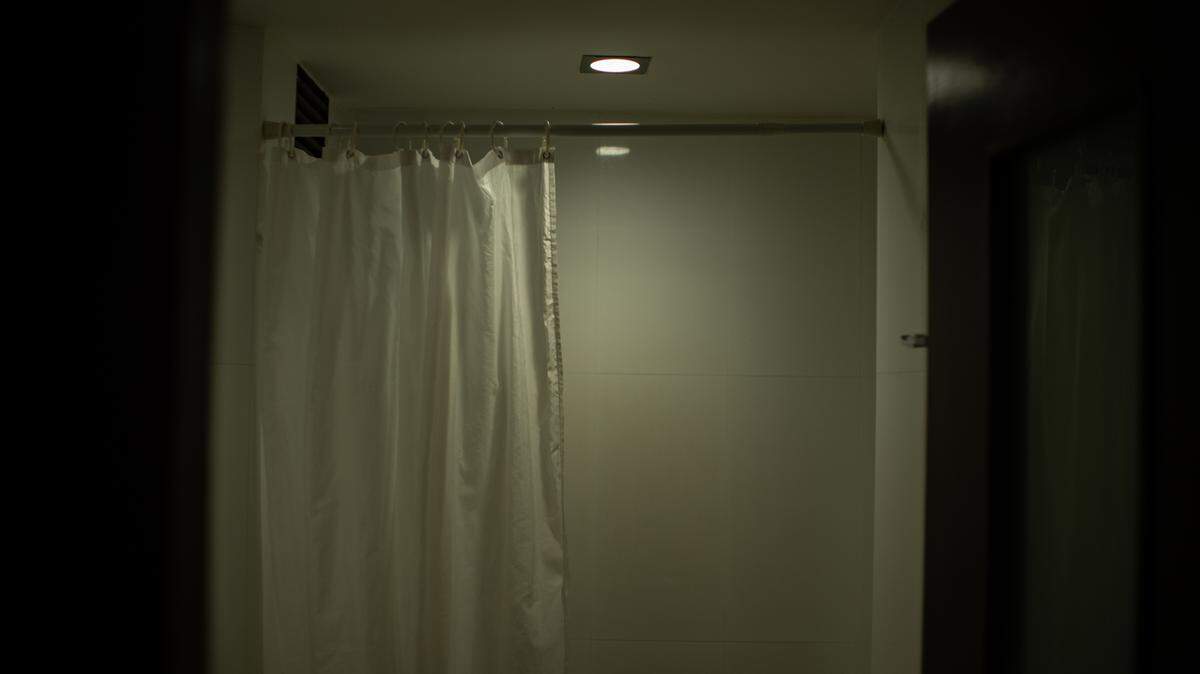
Dark showering went viral on TikTok and Instagram in late 2025 and is still gaining ground in early 2026. The concept is simple: dim or turn off your bathroom lights before a warm evening shower, typically 60 to 90 minutes before bed. No products, no apps, no elaborate routine. If you already shower at night, you are halfway there.
The trend sounds like another piece of social media wellness noise. But each of its components holds up under scrutiny, according to reporting from Healthline and Time.
Your Bathroom Lights Are Working Against You
Those bright white LEDs over the vanity are telling your brain it is still daytime. A 2025 crossover trial found cool white LED exposure before bed delayed sleep onset by about 10 minutes. Remove that light source and your brain stops suppressing melatonin. A 2025 systematic review found dimmer, warmer lighting increases heart rate variability, a marker of a calmer nervous system. The bright lights you stand under every night while brushing your teeth may be costing you sleep before you even get into bed.
Warm Water Triggers a Temperature Drop That Promotes Sleep
A 2019 meta-analysis of 13 trials found roughly 10 minutes in warm water one to two hours before bed shortened time to fall asleep by about nine minutes. Warm water raises skin temperature, and the core temperature drop when you step out signals your brain to release melatonin. Nine minutes does not sound dramatic on paper. For someone who has not slept well in months, it can mean the difference between another cycle of racing thoughts and actually drifting off.
Running Water Lowers Cortisol
Removing visual stimulation activates the parasympathetic nervous system and reduces cortisol. A 2024 analysis found the sound of running water lowers cortisol and stabilizes heart rate more effectively than silence. Standing in a dim shower is not just blocking light. It is giving your nervous system a rare break from stimulation.
What Sleep Doctors Say
Dr. Daniel Amen, psychiatrist and brain imaging specialist, told Fox News that low or no light signals safety to the brain and activates the body’s natural descent into rest and repair mode. Dr. W. Christopher Winter, a neurologist and sleep specialist, validates the broader principle via Today.com while noting the specific research is “thin.” The individual ingredients — dim light, warm water, sensory reduction — are each well-supported. The exact combination has not yet been tested in one large controlled trial.
The Caveat That Actually Matters
No large trial has directly compared dark showers with brightly lit showers measuring objective sleep outcomes. And per The Conversation, if you follow a dark shower by flipping on full bright lighting to blow-dry your hair or prep lunches, the benefit is largely undone. That melatonin your brain just started producing gets suppressed again immediately.
For people with mobility issues, anxiety or trauma histories, complete darkness may not be appropriate. A low amber light or candle provides enough safety without disrupting the melatonin benefit.
How to Do It Right
Dim overhead lights or use a candle, leave your phone outside the bathroom and spend 15 to 20 minutes in warm water. The step most people skip is what comes after: keep lighting low throughout the rest of your home rather than returning to full brightness. If you have tasks that need bright light, like packing bags or prepping lunches, do them before the shower, not after. That sequencing is what protects the melatonin benefit and what most social media posts leave out entirely.
Dark showering costs nothing, requires no extra time and fits within an evening routine most people already have. The science is real, even if the specific combination still awaits a large-scale trial.
This article was created by content specialists using various tools, including AI.
This story was originally published March 31, 2026 at 3:30 PM.