
Miami’s art boom was built on private collectors. Now that model is aging
For more than 20 years, art collectors Carlos and Rosa de la Cruz had the art world over for a close-up look at their formidable holdings of the edgiest of contemporary works, first at their waterfront Key Biscayne home, where swarms of Art Basel VIPs tromped eagerly through their annual December open house, and then in the expansive museum they built and opened to the public, free of charge, in the Miami Design District.
In that span, the de la Cruz Collection along with several other premier private hoards of art on public exhibit in Miami, helped to wholly redefine the city as a place far more substantial than just a sun’n’fun capital.
Rosa, the driving force behind the collection, cultivated artists and beguiled both the cognoscenti and regular folks, tirelessly guiding them through the often-challenging contemporary works the couple installed at home and in the museum. Carlos, the genial host and himself an ardent art lover, added a warm welcoming Miami touch of his own.
Then, on a Sunday morning in February of last year, it all came to a sudden end when Rosa died unexpectedly at home at 81.
The Design District museum, usually closed on Sundays, never reopened. The building was sold to the Institute for Contemporary Art, Miami, which is next door. Carlos soon put hundreds of the collection’s most familiar works, including the signature string-light installation “Untitled (America #3)” by the late Cuban exile artist Felix Gonzalez-Torres, up for auction in New York.
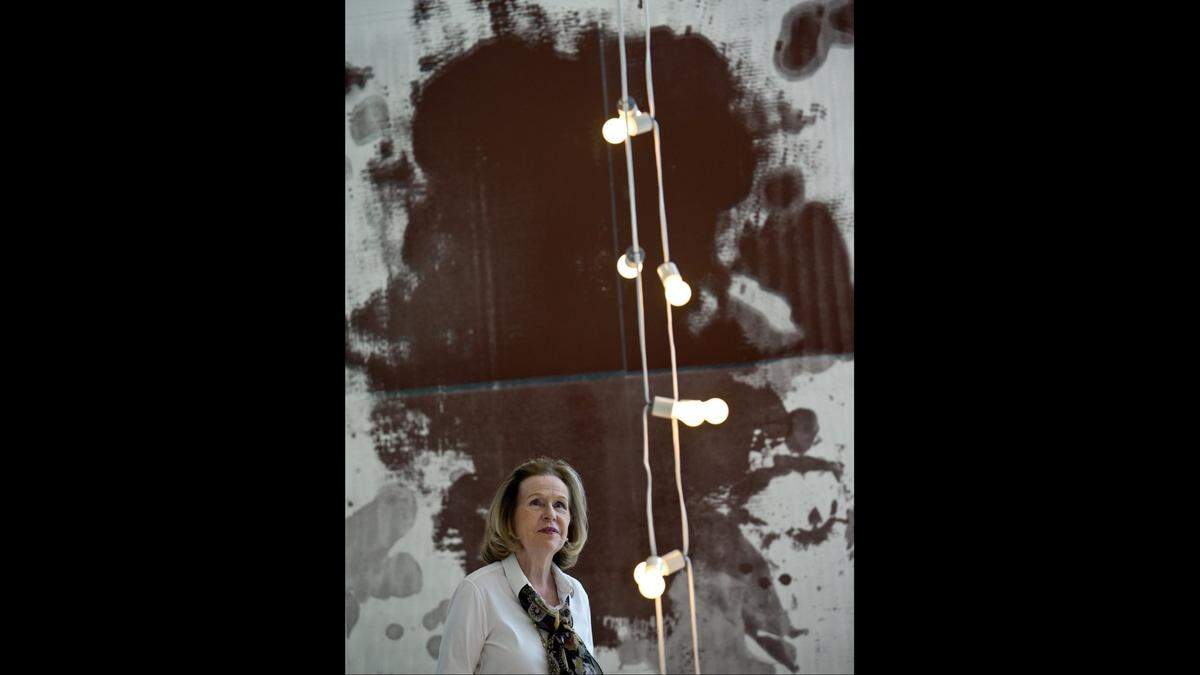
Nor would there be any more Miami Art Week open houses on Key Biscayne. De la Cruz, also in his 80s, retired from business and with five adult children dispersed around the country, sold the big house and moved to a Coconut Grove condo with a few favorite pieces and a panoramic view across Biscayne Bay of his former Island Paradise abode.
At this stage of his life, de La Cruz said, the burden of running and financing the museum was simply too much to carry on by himself.
“The amount of money it takes to keep these open is heavy,” he said in an interview.
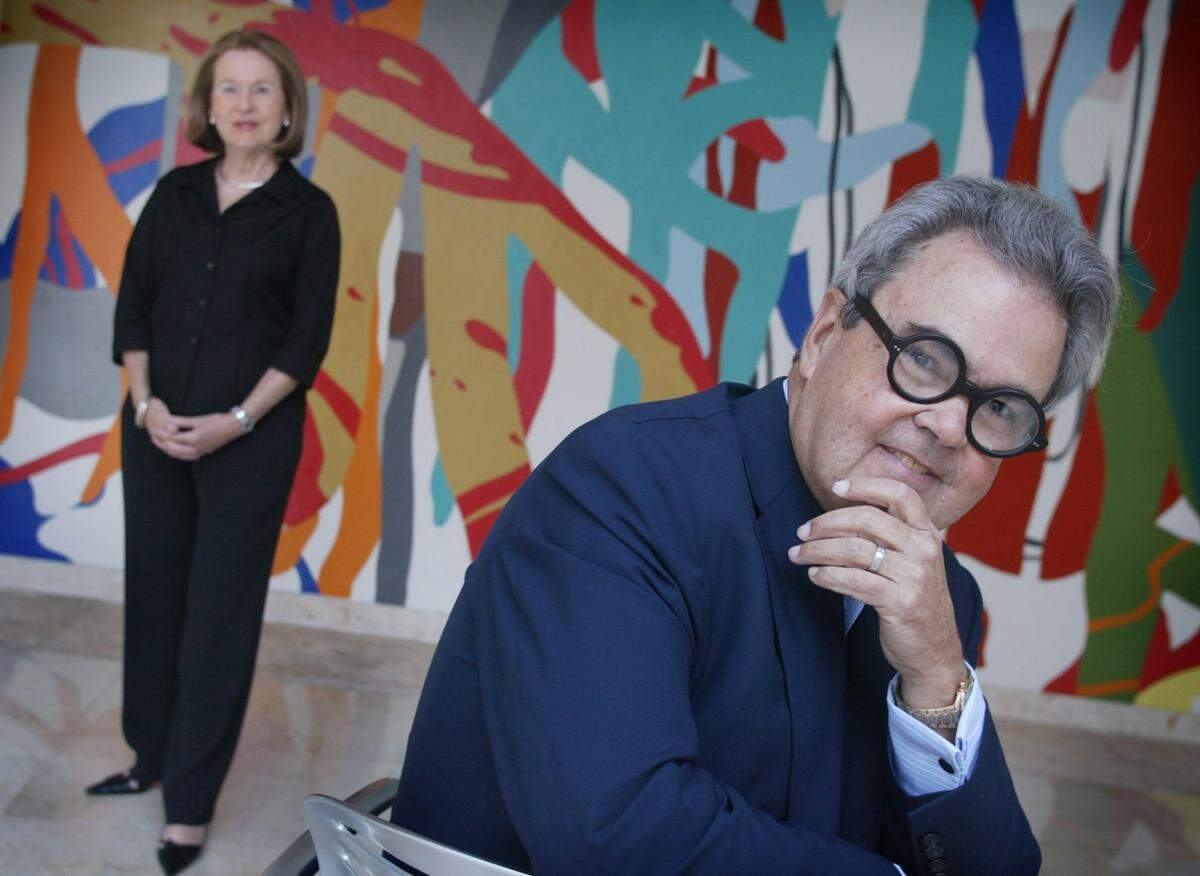
The abrupt end of the public de la Cruz collection sent a shock through Miami’s tight-knit art community. Many fretted vocally about what it might portend for the future of the city’s still-evolving — and perhaps fragile — role as a place to make, collect and show art.
Unusually, in a world where most collectors’ holdings never see the public light of day, the de la Cruz Collection and its public-facing peers — the Rubell Museum, the Margulies Collection, developer Jorge Perez’s Espacio 23 and, with a somewhat different posture, developer Craig Robins’ Design District private and public collections — have played an uncommonly influential role in Miami’s emergence as an international force in art.
So has another top collection, that of auto-dealership magnate Norman Braman and his wife, Irma. Though held fully privately at their Indian Creek Island home — a glimpse of a massive Richard Serra steel sculpture in their yard from the Broad Causeway is the closest most people will come to it — the Braman collection was perhaps the first to put Miami firmly on the broader art world’s map.
Each of that clutch of 20th Century and contemporary art collections would be the pride of many an established museum, and their shine put the glow on Miami’s art-world rep, a critical catalyst in the city’s newfound status as a magnet for international wealth and finance. The collections, which largely preceded the establishment and expansion of Miami’s principal art museums, were key in enticing the Swiss Art Basel fair to launch its ballyhooed Miami Beach edition in 2002.
But after Carlos de la Cruz’s decision became public, many saw it as a cautionary tale, with some wondering out loud whether the city has been over-reliant on what one art writer dubbed “the Miami Model.”
The realization struck: All those leading collectors are aging, with the youngest, Robins, in his 60s. What’s to become of all of that art once they move on — either because of changing interests and needs, or once they pass away? And what would its loss mean for Miami?
How collectors will handle their legacies
The answers, unsurprisingly, are complicated and, with one notable exception, not yet straightforward or clearly defined.
In interviews, the people behind the de la Cruz, Rubell, Margulies, Robins, Perez and Braman collections provided responses as individual as their tastes in art and their approaches to acquiring and exhibiting works of art.
Two of those still maintaining public exhibitions have already taken definitive if contrasting steps.
Don and Mera Rubell have institutionalized their collection through a family foundation, which they say owns much of their art, and the creation of the free-standing non-profit Rubell Museum in Miami’s Allapattah neighborhood in 2019. Son Jason Rubell is a full partner and will carry their mission on long-term along with his sister, artist Jennifer Rubell, the couple says.
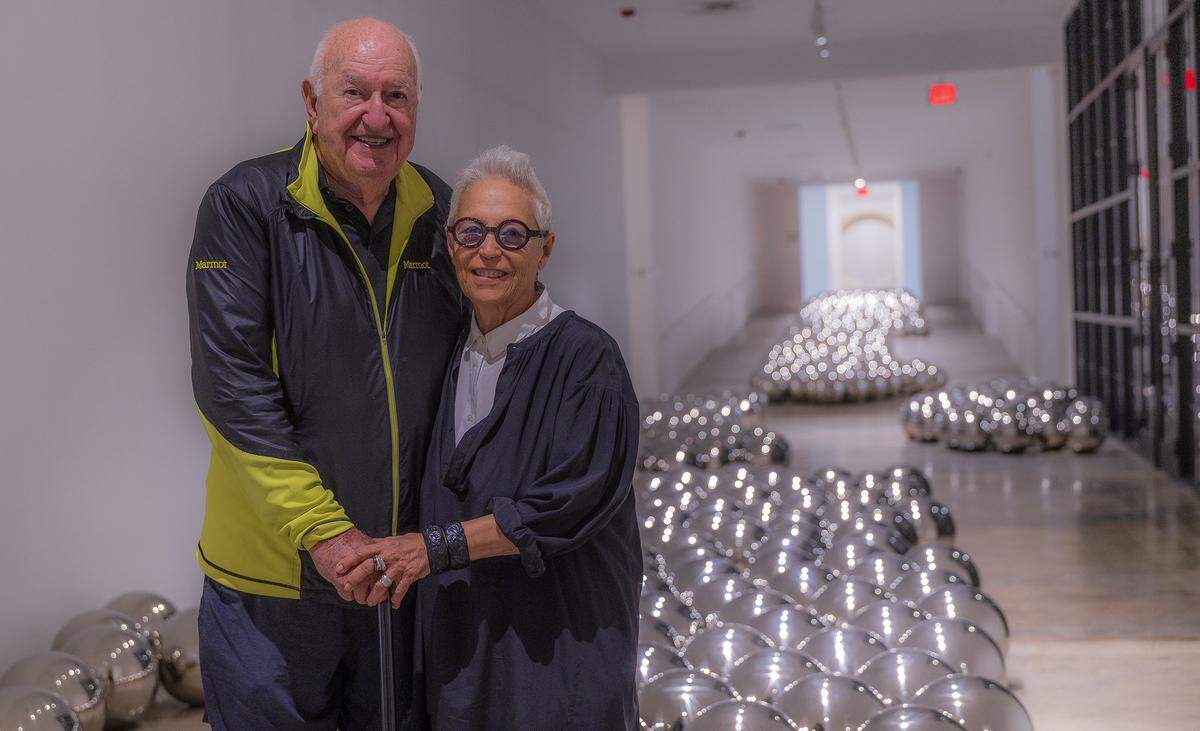
“We’re not going anywhere,” Mera Rubell said of the family’s museum.
Martin Z. Margulies, on the other hand, has already donated much of his collection — over 1,000 pieces — to his charitable foundation, which helped build and support the recently expanded Lotus House shelter for women and children in Miami’s Overtown neighborhood.
Margulies, a retired developer in his 80s, has already sold much of his extensive photography collection to benefit charitable causes and, after he’s gone, the balance of his vast collection will be sold to benefit Lotus House and veterans’, hunger and children’s causes, he said.
Robins and Perez are in various stages of planning for the future of their collections, though they say they intend for much of the art to stay in Miami under the stewardship of their families.
Norman Braman said his family’s collection would ultimately help extend the family’s legacy of support for medical and cancer research and treatment. The Bramans are the name donors for the new cancer center soon to open at Mt. Sinai Hospital in Miami Beach, in a gleaming, swirling new building overlooking the Tuttle Causeway.
Braman said he and his wife also intend to fulfill a long-term commitment to the ICA. The couple were the principal backers of the Design District Museum.
“All that will be carried on in the future,” Braman said in an interview. “After we’re gone, our work will be carried on by our family — our daughters and grandchildren. Some of our art will be sold, not all of it.”
Giving to museums
One thing that’s clear, though perhaps not sufficiently publicly appreciated: All of those leading collectors have already given significant tranches of art to Miami’s relatively young museums as they built up their institutional collections from virtually nothing over the past 30 years.
The local flagship public institution, the Perez Art Museum Miami, after all, didn’t start acquiring art until 1994, when it became known as the Miami Art Museum. Before that, as the Center for the Fine Arts, it owned no art and showed only loaned or traveling works as a kunsthalle, or exhibition hall.
But PAMM’s status, and its once-tiny holdings, have been bolstered considerably by Related Group founder Perez, who has donated tens of millions of dollars and hundreds of pieces from his massive collection to the museum, which was renamed after him in 2013. Perez has since significantly exceeded his initial pledge to the museum.
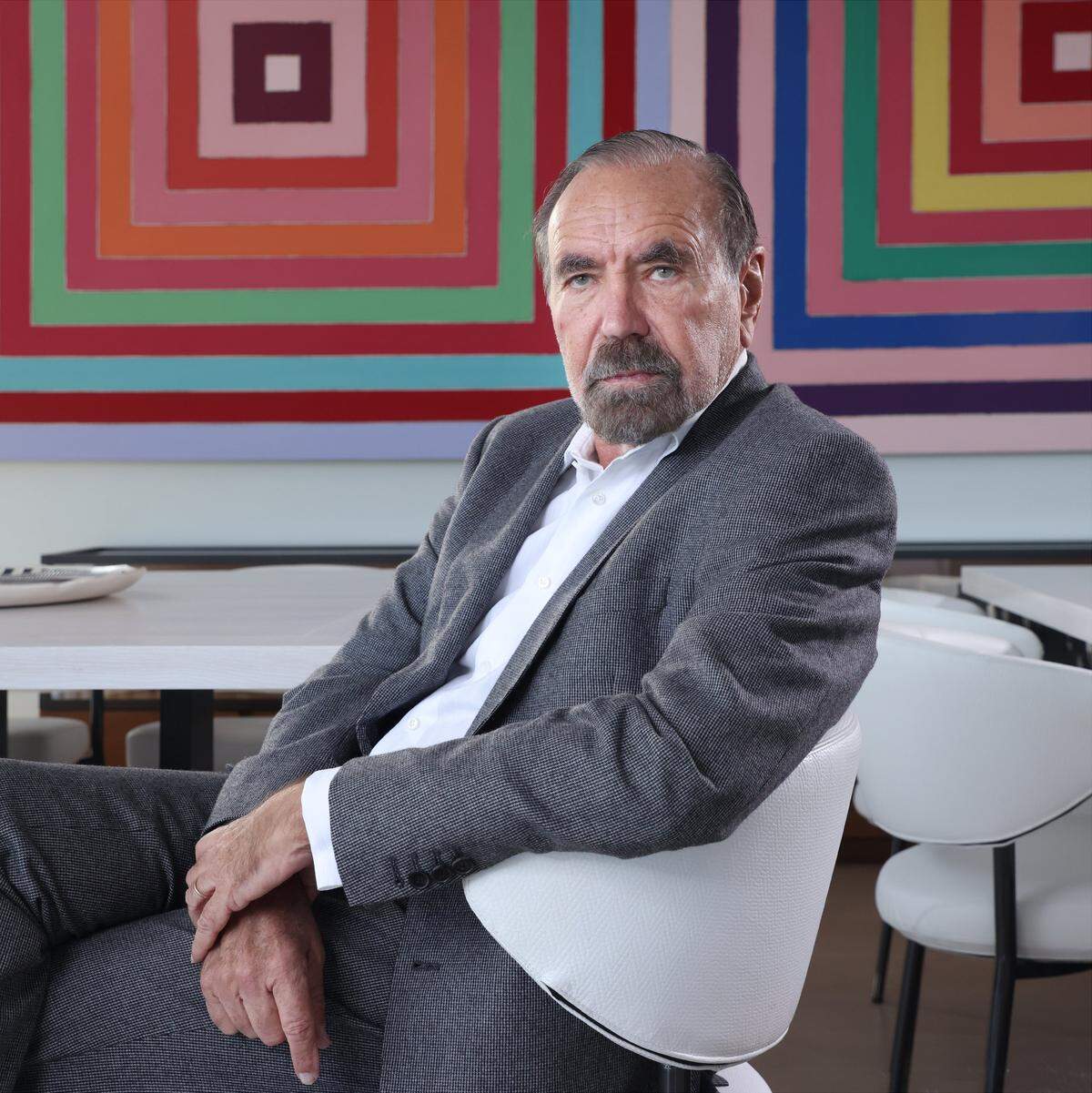
Another substantial source of donations of art to PAMM have been Robins, who has given the museum some 250 pieces, and serial collectors Dennis Scholl, an attorney, former Knight Foundation executive, documentary filmmaker and artist, and his wife Debra.
The couple once publicly displayed their collection in Wynwood at Worldwide Boxing, a former gym, but their idiosyncratic approach means they have since 1978 amassed — and disposed of — four large collections. Much of the art in those collections they gave away, including some 300 works to PAMM and 200 more to Florida International University’s Frost Art Museum.
Like Robins, the Scholls made substantial donations of art to PAMM in its early days as a very public vote of confidence in its future.
“We felt that the community wasn’t sure that other collections would come to the Perez,” Dennis Scholl said. “We wanted to make it clear we thought they would be great stewards of our collection.”
In contrast, at least one big Miami collector — Margulies — has pointedly declined to donate to or otherwise support PAMM because of its heavy reliance on taxpayers for construction of its bayfront home and its continuing operations.
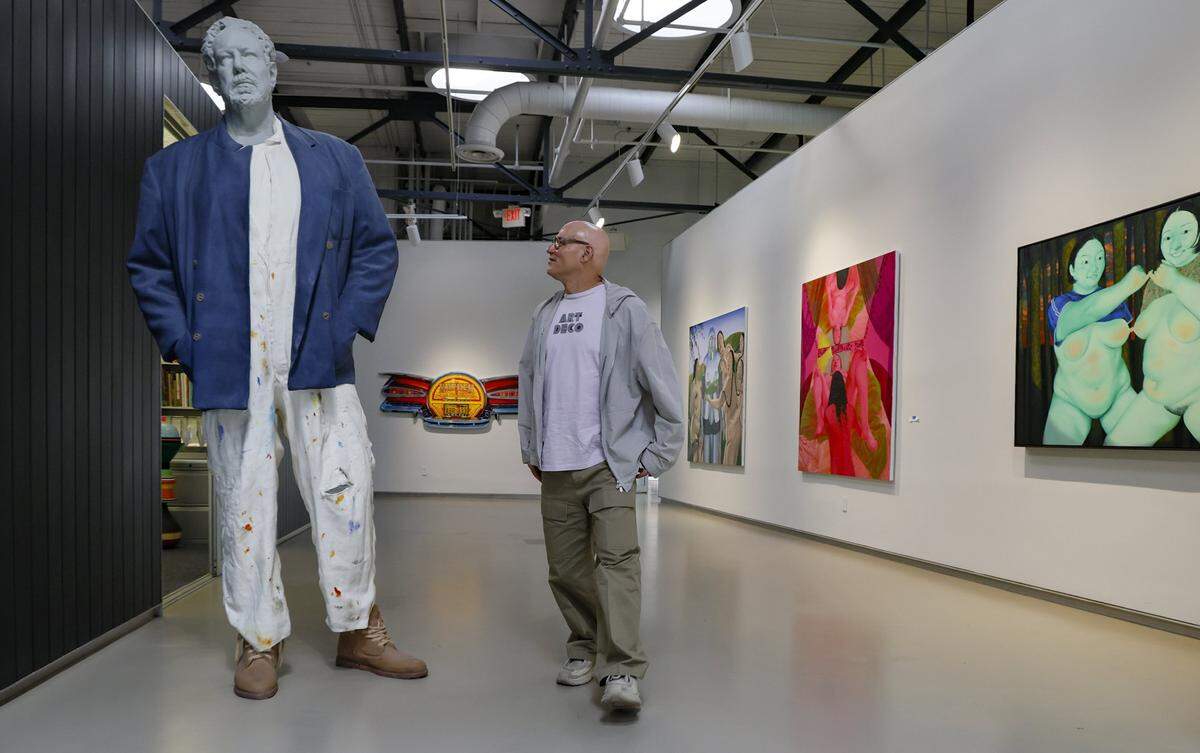
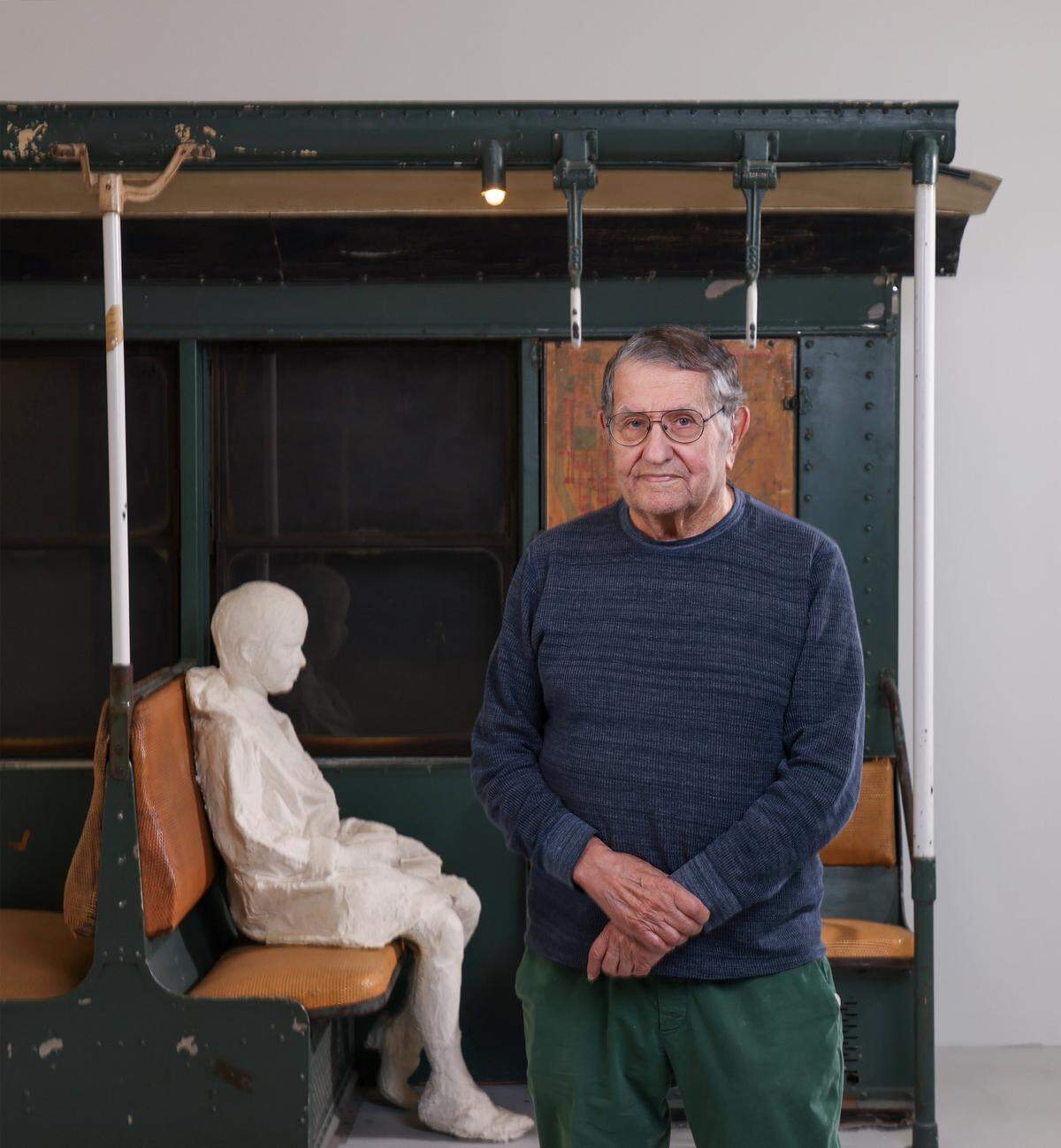
Miami collectors have also given important pieces north of the county border, to the NSU Art Museum in Fort Lauderdale. The de la Cruzes gave the museum 16 works, including pieces by Bedia, while Margulies recently donated a major piece by sculptor George Segal that’s just gone on exhibit.
NSU Art Museum has also managed to snag some of Broward County’s top collections, including works from collectors David Horvitz and Francine Bishop Good, and Golda and Meyer Marks. Pearl and Stanley Goodman, whose collection of modern Latin American art is regarded as one of the best in the country, have given all of it to the museum.
The NSU also was the recipient of another collection of special significance to Miami from the Christo and Jeanne-Claude Foundation in New York — a trove of drawings, plans, documents, photographs, scale models and other materials from the couple’s “Surrounded Islands” environmental art project, which enveloped the shorelines of islands in Biscayne Bay in hot-pink fabric for two weeks in 1983, causing a public sensation.
Limits of the “Miami Model”
Art critics and historians say the wide range of intentions among the big Miami collectors is hardly unique.
Most collections, even the most famous, end with splashy auctions upon the death of their owners. Some collections become the foundation for museums, including some of the most prominent in the United States, like New York’s Frick and Whitney and Philadelphia’s Barnes. Others persist as collections within massive museums like New York’s Metropolitan and the Museum of Modern Art, where the pieces may be only occasionally exhibited, if ever.
Another factor: The top Miami collections are probably too large for any local institution to hold or display.
An instructive case is the fate of the Sackner Archive of Concrete and Visual Poetry, a unique and gargantuan store of 75,000 artworks, mostly consisting of books and paper, based on words and typography that was the life’s work of a Miami couple, Ruth and Marvin Sackner.
The Sackners wanted the collection, which they kept at home, to remain both intact and in Miami, said artist and curator Amanda Keeley, who was tasked with finding a place for it after they died, Ruth in 2015 and Marvin in 2020. Because no local institution could provide the needed space or staffing, most of their collection ended up at the University of Iowa’s library system, with only 10 percent staying in Miami, at PAMM.
“They were these Miami figures and were so committed to the Miami arts community. It was a funding and space issue,” Keeley said. “We couldn’t find the right fit.”
Even for a dedicated Miami art collector, the lure of placing your works in one of the world’s leading museums could prove too hard to pass up, noted Michael Spring, who retired last year as the longtime director of Miami-Dade County’s Cultural Affairs Department, a key driver in the city’s art surge.
“It’s understandable,” Spring said. “If you’re a collector and have this remarkable collection, and MoMa wants it, how do you say no to that?”
Collectors brought art world to Miami
What is unusual in Miami is that the collections came first, before PAMM and the ICA made their big-time debuts, before Miami Beach’s long-troubled Bass renovated and re-established itself as a thriving contemporary art institution, and North Miami’s MOCA re-emerged following a divisive split within the institution that nearly upended it. And it is the collectors that lured the global art world to Miami. And they have sometimes overshadowed the museums in a young city that didn’t have one for the first half of its nearly 130-year history.
By the time the Rubells installed their collection in a former U.S. Drug Enforcement Agency warehouse in the nearly forgotten immigrant enclave of Wynwood in 1993, followed by Margulies and the Scholls, something big was stirring, said veteran Miami art critic Elisa Turner. The Rubells, the first to open to the public, put not only Wynwood on the international art world’s radar, but Miami as well, she said.
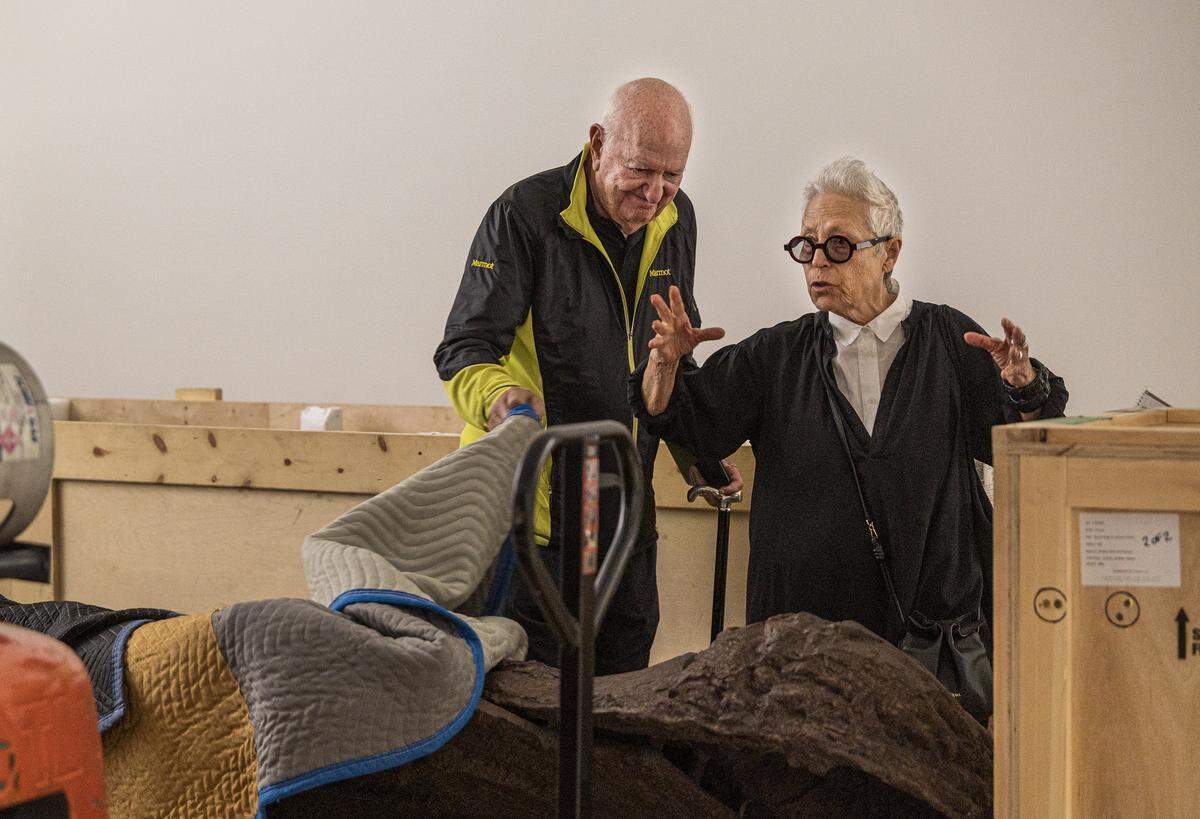
“It had enormous impact. It showed the world Miami was doing something really creative and important with art,” said Turner, who documents Miami’s gradual buildup as an art town in a new book, “Miami’s Art Boom.” “People were realizing there was something different going on here.”
But it didn’t come from nothing, she stresses.
Since at least the 1960s, artists had been working and showing in Coconut Grove, and by the 1980s a handful of galleries had opened in Bay Harbor Islands and in Coral Gables, among other places, even if much of it was unappreciated by the general public.
The local art scene significantly expanded as the arrival of Cuban exiles and succeeding waves of migration from Cuba and Latin America brought a troupe of accomplished artists to Miami, some of them arriving with big reputations — or soon to develop them, like Cuban-born Jose Bedia.
One key propellant was the founding of the county’s Art in Public Places program in 1973, which takes a percentage of the construction budget of buildings on public property to acquire works or finance commissions from artists. It was, in effect, the first public art collection in Miami-Dade.
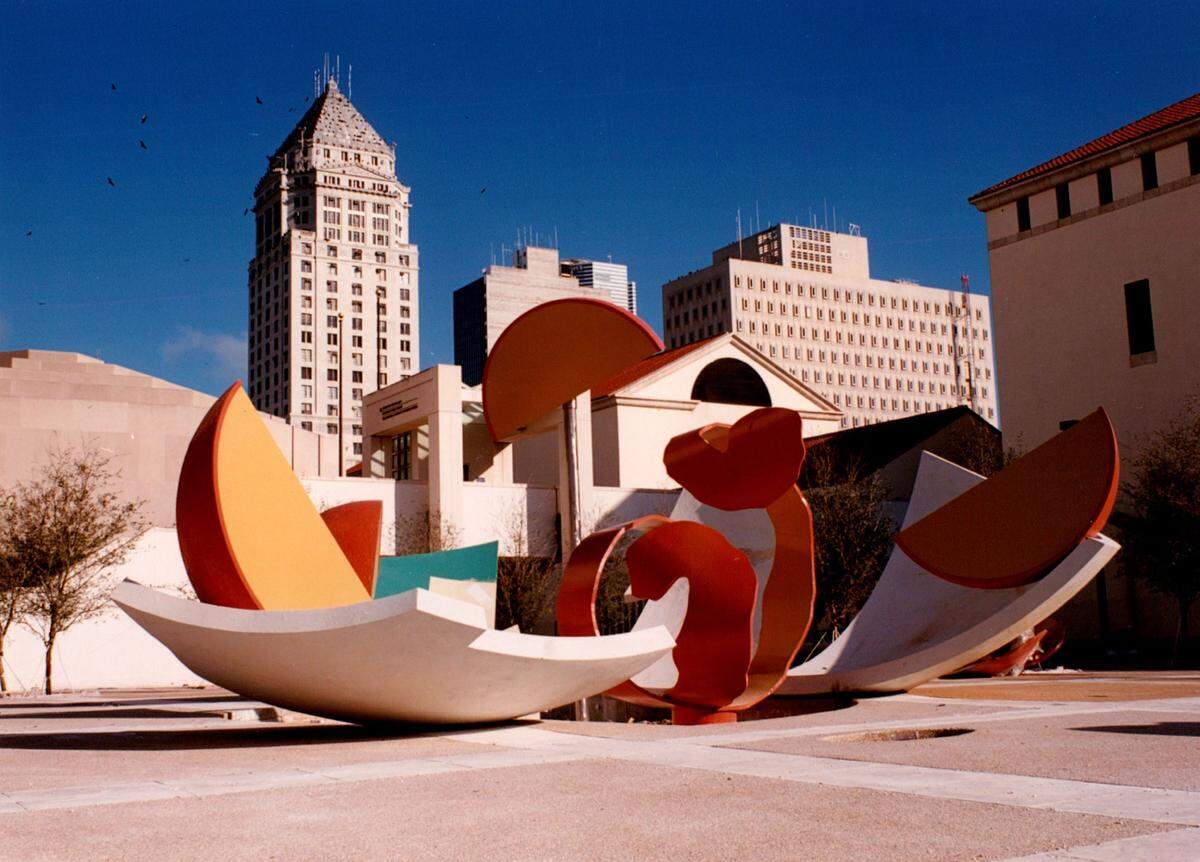
The program, which now has more than 1,000 works spread around the county, seeded the ground in Miami for the notion that art is not only for the cultured elite, or something to be seen only in a museum, but for everyone who cares to enjoy it.
Another key propellant was the Knight Foundation, which under former president Alberto Ibarguen, who led it for 18 years until his retirement last year, spent some $220 million on local art initiatives and institutions.
“Art everywhere was the goal,” Ibarguen recalled in an interview.
Even with relatively few places to show, and a larger art world that looked askance at Miami as a place for art — when it thought about Miami at all — many local artists not only made substantial strides but built a base for what was soon to come, Turner said.
“People think it all just happened,” Turner said. “But what I saw was this tremendous persistence and resilience.”
By the time he arrived in Miami as a newspaper executive with El Nuevo Herald and later The Miami Herald, where he served as publisher, Ibarguen found a community of artists, institutions and collectors who were ready to step up. And when then Art Basel director Sam Keller came to Miami around 1998 to check out the scene, drawn by the growing reputation of the Braman, Rubell and Margulies collections — all regularly touted as among the top collections in the world — the stage was set.
“What Miami had developed was this community of collectors who had made a lot of money and had an interest in art,” Ibarguen said. “These were serious fortunes by people who came up from no particular wealth. Their expression was done through collecting. Phenomenal. These collections were world-class. The collectors were far outpacing the institutions.”
Buoyed by Miami’s rising position as a business and migration bridge between the United States and Latin America, and the establishment of the internationally minded Miami Book Fair and Miami Film Festival, the collectors were able to make a strong case to Keller, who was seduced into taking a big chance.
“You have the base of a serious art culture. That is what Sam Keller saw. There were these forces building up. Art Basel was the spark that lit the tinder that had been laid by everybody else,” said Ibarguen.
At first, no one was certain Art Basel would succeed in Miami Beach. The fair’s parent company at first made a short-term deal with the convention center.
Now, 23 years later, Art Basel and the surrounding bacchanalia of Miami Art Week are firmly ensconced, even if the contemporary art market has been in the doldrums, and the city seems to have secured its place in the art firmament – at least in December. Museum attendance outside of art week, observers say, remains relatively light, especially when compared to long-established institutions elsewhere in the country, and many galleries still struggle.
The county, a major financial supporter of art and culture organizations, artists and performers, is going through budget shortfalls that could meanwhile threaten funding, while the slashing of arts budgets and grants by the GOP majority in Congress and the Trump administration will also take a toll.
But Spring and Ibarguen say Miami’s museums and art institutions are in good shape to thrive. And while the collections remain a vital part of the local art scene, it no longer depends on them to flourish.
“As much as the institutions still need support, they are so much better managed and supported than they were 30 years ago,” Ibarguen said. “It’s another town.”
De la Cruz said he’s gratified by the role he and Rosa — and their collecting peers — played in elevating Miami’s fledgling art community.
“Miami still spends more on sports than on art, but I guess most places do,” de la Cruz said with a laugh. “But there wasn’t a culture of art before. The collections raised the appetite for art in Miami.
“If the economy continues strong, Miami will continue to grow, and art will be part of Miami.”
This story was originally published November 30, 2025 at 4:30 AM.