Gloria Estefan’s new BRAZIL305 album is out. She chose its single for a timely reason
Gloria Estefan’s new album should have been out almost three years ago.
But so many things transpired against completing and then setting a release date for her “BRAZIL305” record — the death of her mother, a pandemic and, now, the Black Lives Matter protests.
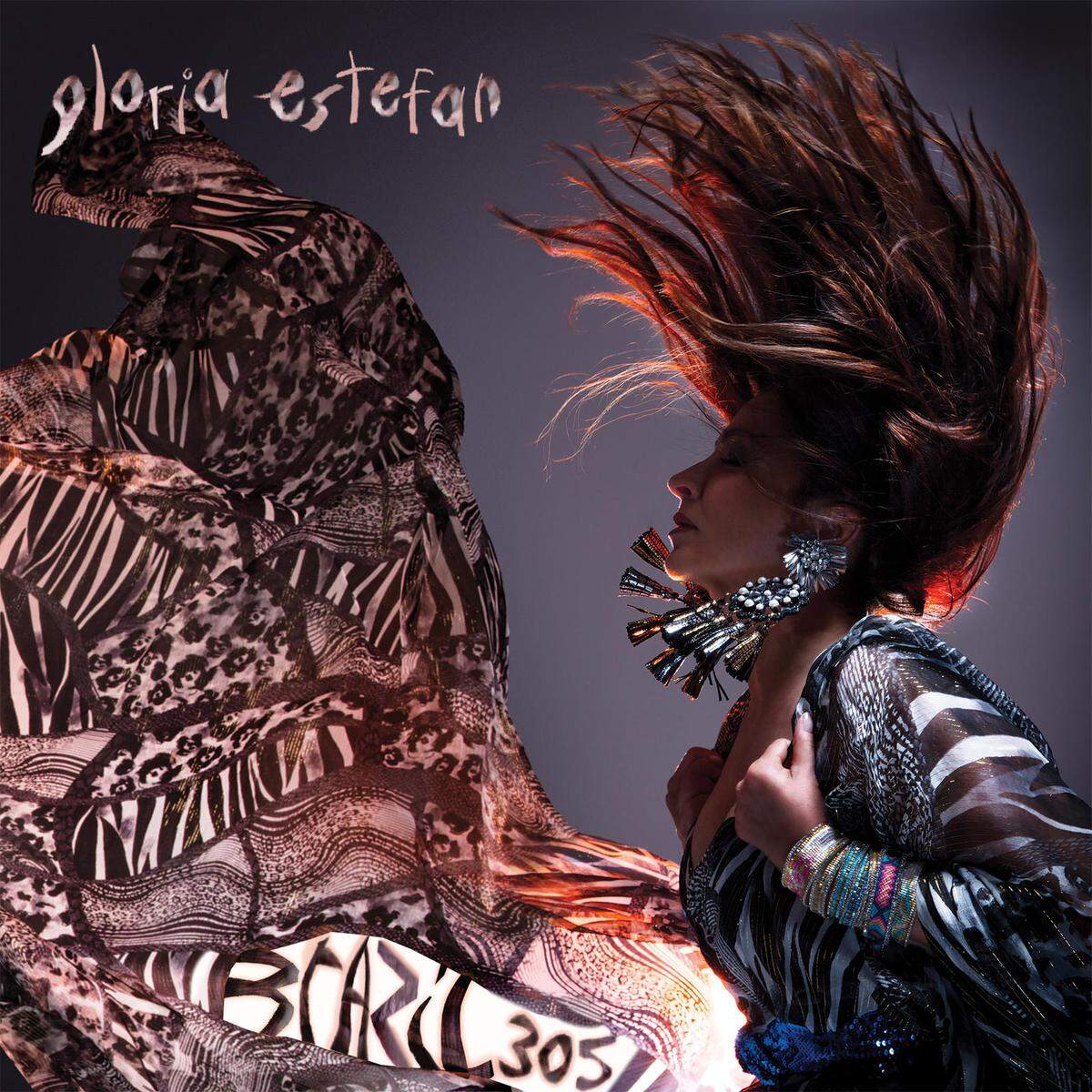
But now Estefan’s collection of 11 classics re-imagined and re-recorded and re-sung and four new originals, all cut with Brazilian musicians and producers, is finally about to come out on Aug. 13.
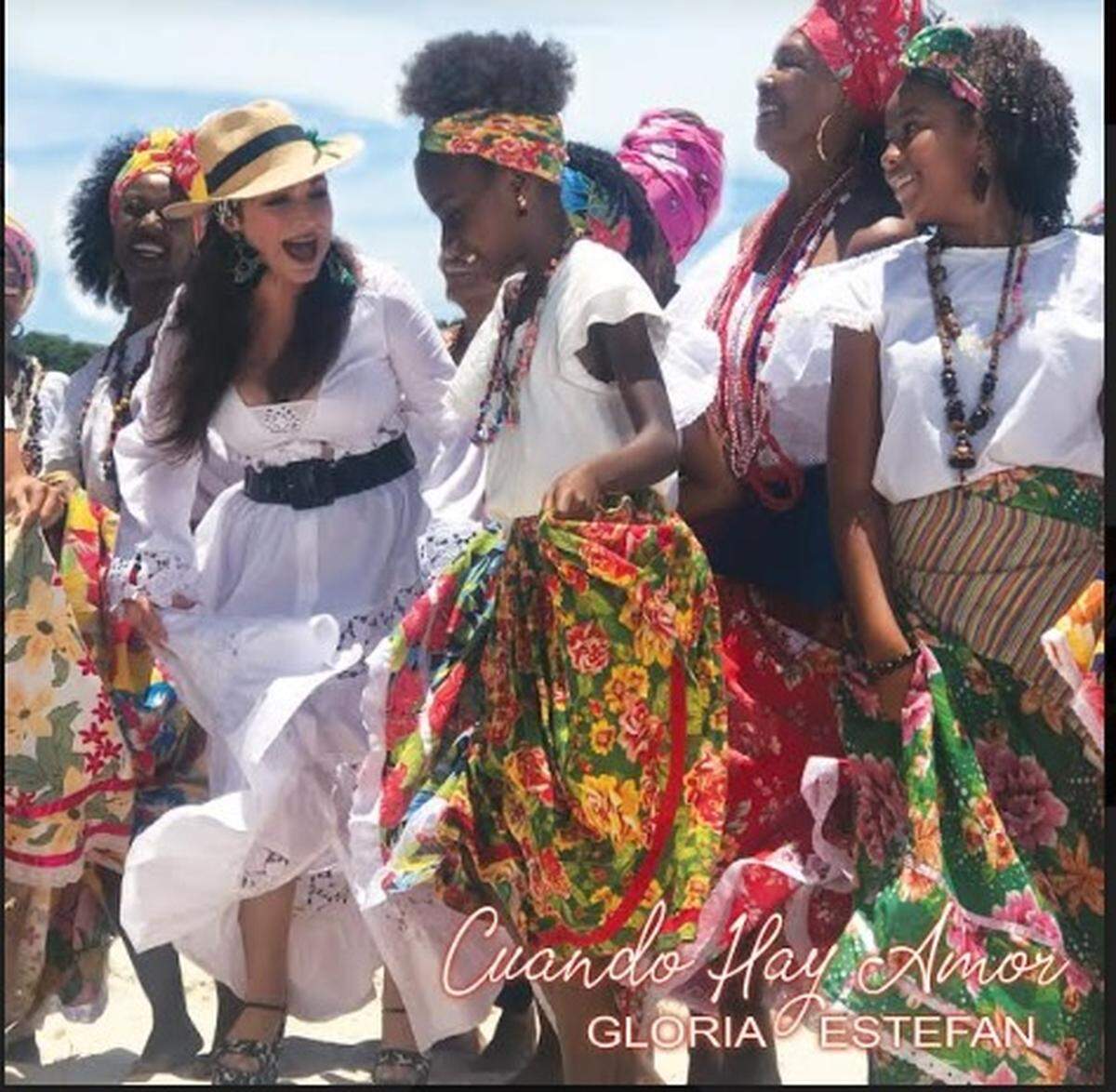
The first single and video for one of the originals, “Cuando hay amor (When There Is Love),” was released on Friday, June 12.

A timely release
That opening calling card for the album, a joyous, uplifting tune, seems not only timely but necessary.
“This wasn’t even going to be the single,” Estefan, 62, said in a telephone interview from her home in Vero Beach on Friday. “They were going to release the re-recording of ‘Rhythm Is Gonna Get You’ to give the feeling, and the idea, of what the record was about.
“I called Frank [Amadeo, Estefan Enterprise’s president] and Sony and said, ‘We need to put something out there uplifting that is going to contribute to positive vibes in the universe and that is new because people need some joy.’ To me, music was always an escape from the difficulties in my life and fulfilled me that way.”
After many release dates came and went, the whole album was finally to drop June 1. But Gloria and Emilio Estefan delayed it because of the May 25 killing of George Floyd by a Minneapolis policeman and the resulting reaction in their Miami hometown and internationally.
But then Estefan thought there was something to be gained by putting at least something out — it just had to be the right message.
‘Cuando hay amor,’ a balm for a turbulent time
“It became important to try to balance because everybody is glued to the TV,” she said. “There is a barrage of constant horrible things we are seeing. In essence, we were all subjected to watching a murder happening live and this is traumatic for people. You don’t know what to do.
“Even though the protests came at the most terrible time possible because of COVID, it really fills me with hope to see young people putting themselves second — putting their health second — to having something really important to say. And uniting at this moment is incredibly necessary,” Estefan said.
Music’s common ground between Cuba and Brazil
“So, for that reason, I really wanted to have this go out there and be a symbol of unity because that, to me, is what this record is. It celebrates our common roots in music between Cuba and Brazil — which is African, and, quite honestly, there is African roots in everything because Africa was where everything started, where life started, where we all came from, ultimately.
“So, I thought it was important for me to put out that message of hope and love out there, to be a respite in some way because that is what music should be,” Estefan said.
“Cuando hay amor” and its video both tap rhythms and percussive instrumentation heard throughout South America, in particular, Colombia. The music applies textures and movement from samba de roda, a traditional Afro-Brazilian dance performed informally during religious ceremonies known as Candomblé.
The music for “Cuando hay amor” and all of the “BRAZIL305” album was recorded in Brazil. On her website, Estefan explains that the video was filmed in front of the lake where the original Bahianas, the black women who lived in Rio de Janeiro at the end of the 19th century, would do their washing while singing and improvising songs.
‘Hugging a familiar friend’
“’Caundo hay amor’ is kind of like a love letter to my fans to say ‘thank you’ because they have been there for me all the way through,” Estefan said.
These fans will immediately recognize her voice because, remarkably, Estefan’s vocals sound as supple as they did when she originally sang some of these songs more than 30 years ago. She credits this to clean living and working with vocal coach Torb Pedersen.
The new music is like a dispatch from an old friend. “It’s almost like being at a concert, in a way, and listening to new songs fresh, but it still will be like hugging a familiar friend that looks different,” Estefan explained.
Stylistically, “BRAZIL305,” which will include a duet with Brazilian singer Carlinhos Brown, features arrangements that are meant to evoke the lush, sensuous sound of 1960s samba recordings that were popularized in America in the 1960s by artists like Sérgio Mendes and Brasil ‘66, Stan Getz, and Frank Sinatra with Antonio Carlos Jobim. But the arrangements also contain modern accents.
Estefan wrote new Spanish lyrics to record a version of Maria Rita’s 2007 Brazilian anthem, “O homem falou,” one of her favorite contemporary songs. The song appears twice on “BRAZIL305” — in Spanish as “Un nuevo mundo” and in English as “Only Together.”
“The idea was had I been born in Brazil, would this be what my music sounded like?” Estefan said.
Coming full circle
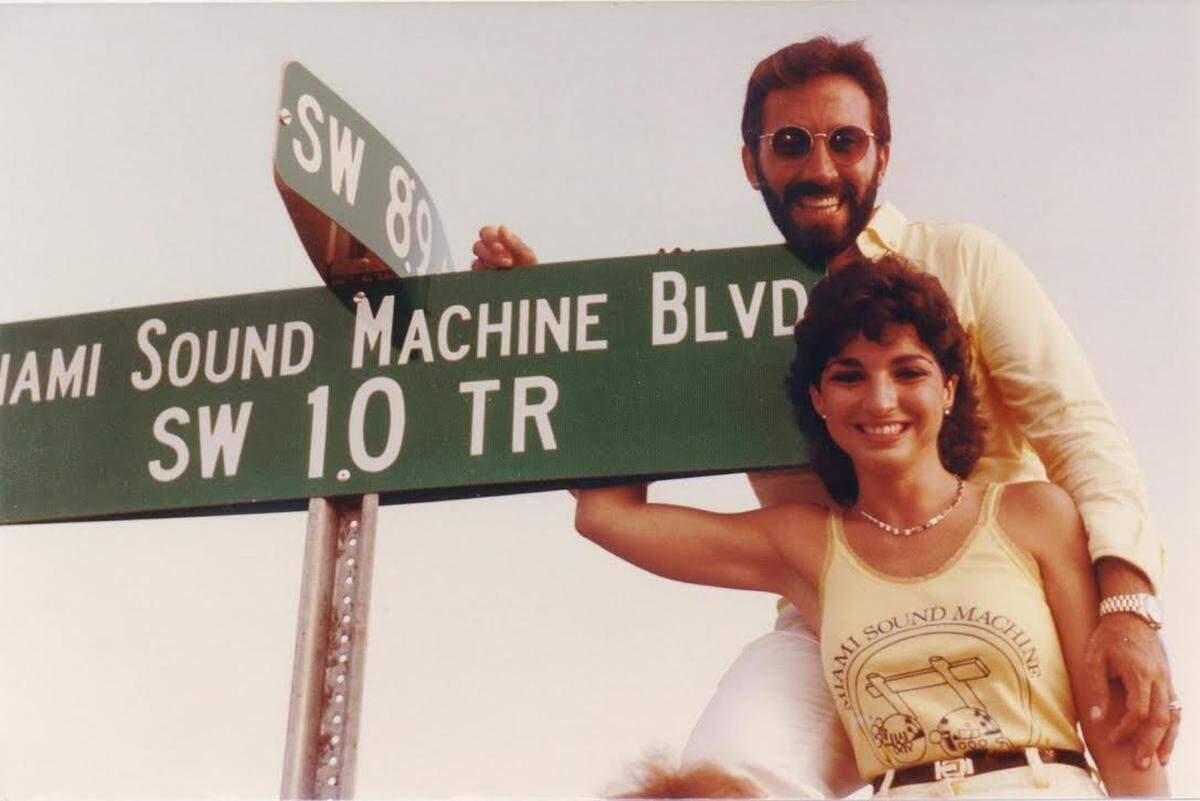
And singing to Brazilian rhythms shouldn’t surprise fans too much, either. Way back in 1983, when Estefan recorded under the Miami Sound Machine banner, the group released an album called “Rio.”
“When I joined the band I made Emilio learn ‘Corcovado’ and ‘Desafinado’ and I would sing them in Portuguese,” she said. “And on that album I wrote Spanish to a lot of Brazilian hits and we had a big hit in Latin America with ‘Baila conmigo (lanca perfume).’ So that should tell you that Brazilian music has been at the core of my musical experience and love and this has been like full circle. There is this common thread of the African percussion that permeates African and Cuban and Brazilian music.”
On “Brazil305,” the Miami Sound Machine’s breakthrough English crossover classic “Conga” from 1985, and “Rhythm is Gonna Get You,” a 1987 single that was added to the Library of Congress’ National Recording Registry for its cultural importance in 2018, are now sambas, for instance.
From sorrow to joy
For all of its ebullience, “BRAZIL305” was born amid sorrow and is entering a world of uncertainty.
“This record is three years late,” Estefan said.
“When I was going into the studio to record the vocals we had the music done and everything was ready. This was right before 2017 that mom got ill as I was heading into the studio — literally that week. I was starting to sing and my mom had that emergency where she ended up 33 days in the hospital and then she passed away. My sister and I spent the whole time with her so, no matter how I tried, for several months after my mom passed, I couldn’t sing. I’d break down in tears. It was too much emotionally to handle and so that got it delayed then,” Estefan said.
“By the time I felt well enough to record we mixed it and it was supposed to come out last fall. Then the pandemic hits when we were going to put it out early this year. By February we knew this was not going to be good.”
Isolating in Miami Beach
During the coronavirus social distancing lockdown, Estefan spent time at home on Miami Beach, sometimes taking walks with her assistant to South Beach about six miles away for exercise. She marveled at what she saw — the clarity of the waters outside her backyard along Biscayne Bay — and what she heard.
“Since cars were not out, you could hear all these nature sounds that before were drowned out by the sounds of the city and the hustle and bustle.”
Aside from writing and releasing a coronavirus-themed single, “We Needed Time,” in May, Estefan was freed from work responsibilities and that, too, felt curiously comforting.
“I think I was a hermit in some other life. I don’t have a problem with isolation,” Estefan said. “It’s kind of soothing for me and the opposite of what I had in my own life in this crazy career — always on the go. But, yes, it’s terrible what we are all going through because of the reason we have to be locked up. It’s not a choice.
“From what I hear, people going back to the beach have encountered a lot of sharks,” Estefan added, laughing as she imagines the sharks’ reactions to people returning to the ocean in South Beach. “’Oh no, they are back! Those pesky people!’”
For the last two months, Estefan has spent time at the Vero home while her husband, producer Emilio Estefan, flew back and forth from their home in Miami Beach.
In March, the couple’s Estefan Kitchen partnered with CVS Health to match 300 of its employees from the family’s restaurants in South Florida, Orlando and Vero Beach with immediate employment after the novel coronavirus pandemic led to a complete shutdown of restaurants and other businesses.
A family reunion
Gloria Estefan split her time, too, between the two cities but, after two months in Vero she says she is anxious to get home to Miami early next week. For one thing, her grandson Sasha’s eighth birthday is coming up on June 21. If son Nayib thinks it’s OK, Mom plans at the very least a drive-by to drop off some presents.
Her grandson may be her biggest fan. It was Sasha, after all, who tipped Estefan off to the use of her songs “Conga” and “Rhythm Is Gonna Get You” in the recent batch of “Alvin and the Chipmunks” movies.
”That’s hitting it big,” Estefan said, laughing. “I was a huge Alvin and the Chipmunks fan when I was 6 years old and to have the Chipmunks singing my songs! My grandson made me watch the movies because he wanted to introduce me to my songs. He wanted to surprise me and it blew my mind.
“So the fact these songs get made and then sampled and played everywhere — there’s not a place I’ve ever been to in the world where somewhere on my trip I won’t hear ‘Conga’ or ‘Rhythm’ or even ‘Mi Tierra’ or some of the Spanish stuff coming out of a radio somewhere — for an artist that is the biggest blessing ever,” Estefan said.
“It really is fantastic and to still be making music and doing what I love.”
This story was originally published June 13, 2020 at 7:00 AM.