
Anglers, scientists alike look to longtime Sarasota guide Scott Moore
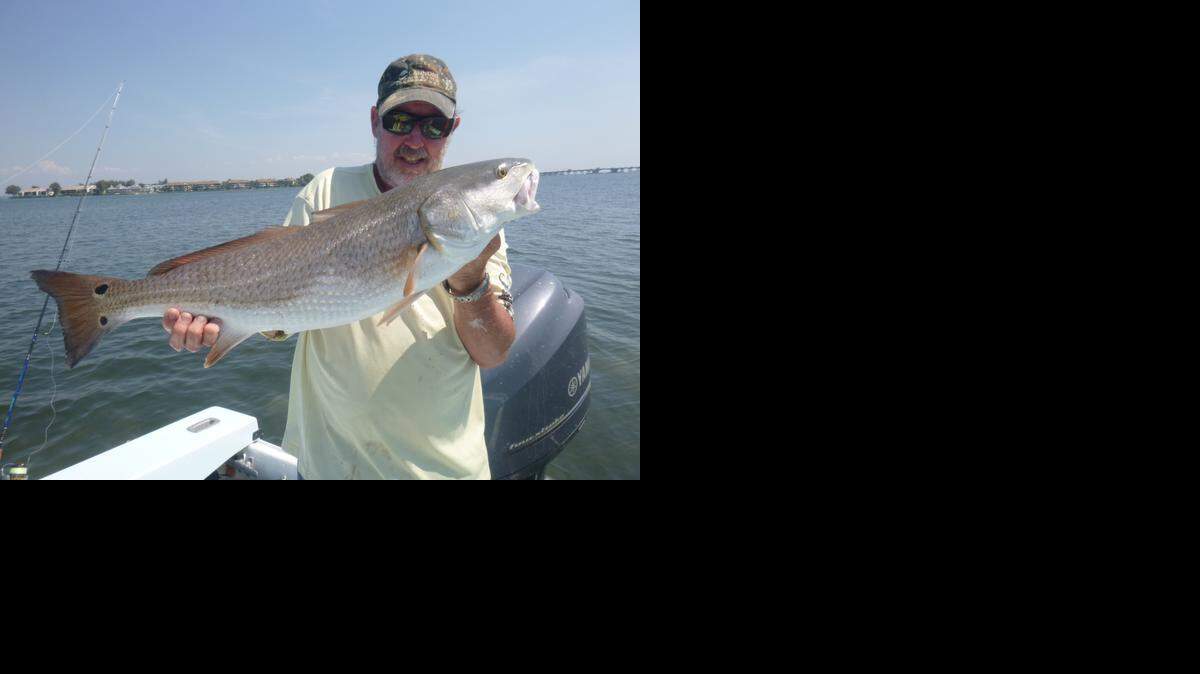
Not many fishing guides can claim a research post at an eminent fisheries science institution is named for them, but captain Scott Moore can.
The 62-year-old light tackle guide has been putting customers on big fish, primarily for catch and release, in Sarasota and Tampa bays and Charlotte Harbor since 1979. Among his charter customers: Bill Mote, the late developer of Sarasota’s Mote Marine Laboratory; the late Eugenie Clark, the first shark scientist at the facility before it was named for Mote; and prominent philanthropists Carol and Barney Barnett.
The Barnetts recently donated $3 million to Mote’s Fisheries Conservation and Enhancement Initiative aimed at maintaining healthy snook stocks. As part of the deal, the Barnetts established the “Captain Scott Moore Senior Research Scientist” position.
That’s a pretty big deal for a high school graduate who worked as a cook before putting the pots and pans aside for a fishing career 36 years ago.
Moore is still working aboard a 1981 Privateer tower skiff that he has renovated several times, and he’s happily encouraging both his veteran and newbie customers in their battles with big snook, tarpon, redfish, sea trout, pompano and other species. His son Justin has followed in his wake, and together they book charters through moorefishing.com.
“If somebody calls, we’re going fishing,” Moore said. “We’re going to catch a variety of fish.”
Moore wasn’t kidding. On a recent outing in Sarasota Bay, accompanied by crew member captain Carson Wooten, Moore’s customer caught and released multiple inshore slams of snook, trout and redfish using live pilchards, or scaled sardines known locally as “white bait.”
To locate the snook, Moore idled the boat to within casting distance of a shallow bar lined with sea grass. He and Wooten tossed out a few “freebies,” and the customer followed up by casting a medium spinning rod with braided line and fluorocarbon leader hooked to a 2/0 Eagle Claw 254 hook. Moore explained that he prefers the j-hook with its small barb over a comparable circle hook because he feels it does less damage to fish destined for release. With non-stretch line, he said, the angler doesn’t need to pump and wind because the line won’t twist — “just keep the rod tip up and reel,” he advised.
Of some 20 snook to about 27 inches long, none was hooked anywhere but in the jaw. The party also released some 15 trout in the 15- to 20-inch range using the same technique.
The slot limit for snook on the west coast of Florida is 28 to 33 inches. Moore said he has high hopes for the slightly sub-slot fish his customer just released. His on-water study of the species tells him those snook were born in 2011 — a year after one of the worst freezes in the Sunshine State in decades.
“Their parents survived the freeze,” he said, adding that would make for hardier stock. “There’s no way we’re going to lose our snook as long as we have a slot. The whole key with any fishery is to manage it with a slot and be able to change the slot reasonably and quickly.”
Moore, a founder of the Florida Guides Association, collaborates with local scientists on topics ranging from fisheries management to climate change to red tide.
He has appeared on televised fishing shows and is the subject of a book called Captain Scott Moore’s Snook Fishing Secrets by the late G.B. Knowles. His client Deborah Miller’s 20-pound, 12-ounce snook caught on 4-pound test in Charlotte Harbor in 1989 still stands as an IGFA women’s line-class record.
Back on Sarasota Bay, following numerous tussles with snook and trout, the next logical step for Moore, Wooten and their guest was to try for a redfish release.
They motored north of the causeway that connects Sarasota with Anna Maria Island and anchored on a shallow, mottled, mud-and-grass flat and threw out a few freebies. For a long time, nothing happened, so Wooten pulled up the anchor and the boat drifted with the tide.
Moore told Wooten to deploy the anchor just upcurrent from a grassy pothole.
This time when they tossed out the pilchards, their customer felt a solid thump followed by zeeee-ing drag on the spinning rod.
Clearly, this was the largest fish of the day, and it mounted a battle royale — forcing the angler to sidestep around the deck, follow the fish’s path and keep the fishing line from breaking off on the anchor line.
Some 10 minutes later, a fat redfish was brought to boat-side for measurement and pictures. It was 34 inches long — well over the 18-to-27-inch slot — and weighed 12 to 14 pounds. Moore released it; it swam away, and moments later, the customer caught and released a 24-inch trout. As if the “slam” theme had not been demonstrated to its fullest extent, the party caught and released another redfish, slightly smaller than the first.
With no tarpon around and nothing left to prove, they headed back to the dock at Annie’s Bait & Tackle. Some anglers fish all year and don’t enjoy a day like that.
This story was originally published April 15, 2015 at 4:59 PM with the headline "Anglers, scientists alike look to longtime Sarasota guide Scott Moore."