
Bullygate, 6 years later: How NFL’s new policy might have prevented Dolphins’ scandal
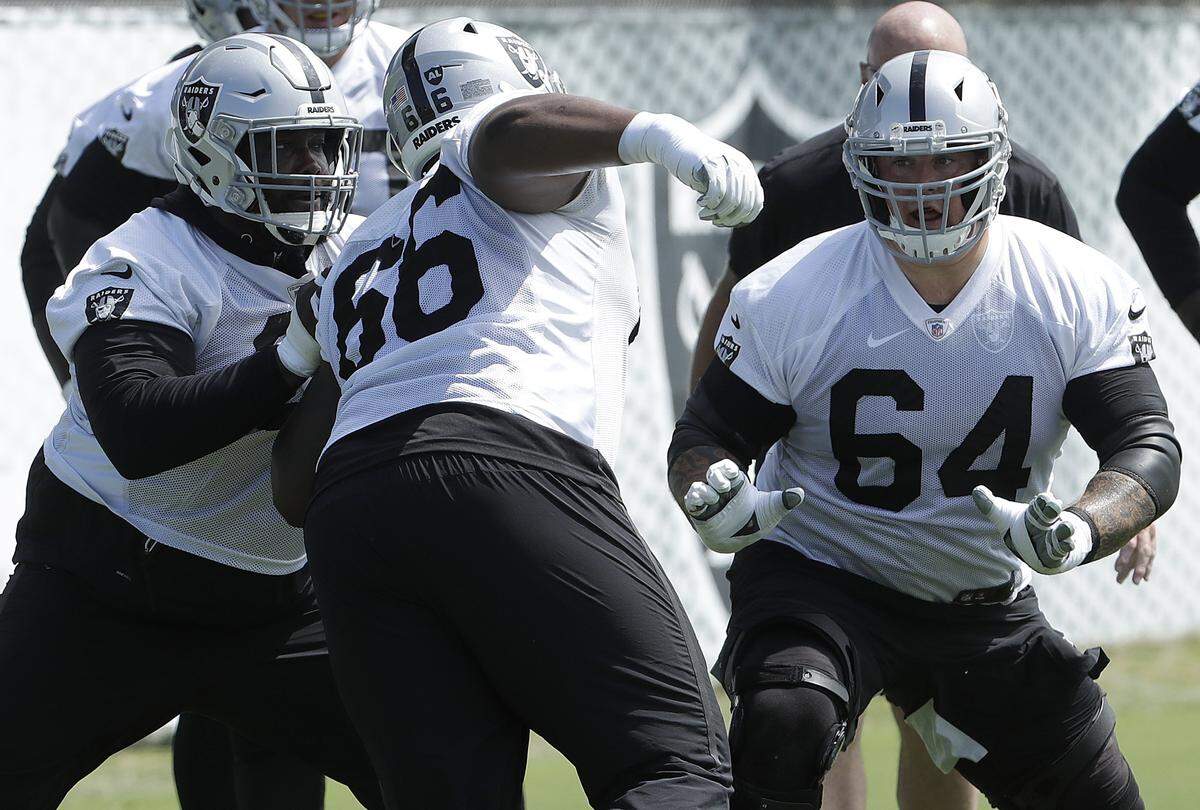
Coming soon to a television near you: Richie Incognito, in Silver and Black.
The baddest — and most troubled — player in football has been granted yet another chance (it’s roughly his sixth or seventh, depending on how you count) at football.
And this time, there’s nowhere for him to hide.
Incognito, the ringleader of the Dolphins’ bullying scandal who signed a few weeks back with the Raiders, will surely be a fascination for Hard Knocks viewers when the NFL’s training camp reality TV show returns in August. The league picked the Raiders, over their coach’s protests, to be this year’s featured team.
And there will be no ignoring Incognito, who has now had two one-year sabbaticals from football to manage his mental health and get his act together. Since he last played a game, Incognito has been arrested twice, including once for allegedly threatening his own grandmother, and Baker Acted after chucking dumbbells at another man inside a Boca Raton gym.
“I spent a lot of time speaking with Richie,” Raiders coach Jon Gruden said before a minicamp practice here in June. “This is not a far-fetched comeback. This is something he’s thought a lot about. He walked away from the game for very good reasons. I’m not going to get into that. But we like where he is. We like what he’s done. And we like the potential of what he can be.”
And if Incognito feels himself again teetering on the edge — over which he has plunged in all-too-public ways over the course of his troubled and troublesome career — he now has a place to turn:
The NFL’s new mental health program, which mandates that each team retain a behavioral health clinician focused on supporting players’ emotional and mental health and well-being. The therapist must be available to players at the team facility for at least eight hours per week and maintain total confidentiality with the men they treat.
Nyaka NiiLampti, the NFL’s vice president of wellness and clinical services, discussed the new initiative at the league’s spring meeting in Key Biscayne last month. Consistent, confidential care is the centerpiece of the policy.
“We know at the end of the day that mental health is inextricably tied to performance,” NiiLampti said. “And the healthier the players are in every single area, we know we’re going to get a better product on the field, and we also know we’re going to get a better product off the field as they transition out of the sport.”
In short, the league now provides what was crucially missing from the Dolphins locker room in 2013.
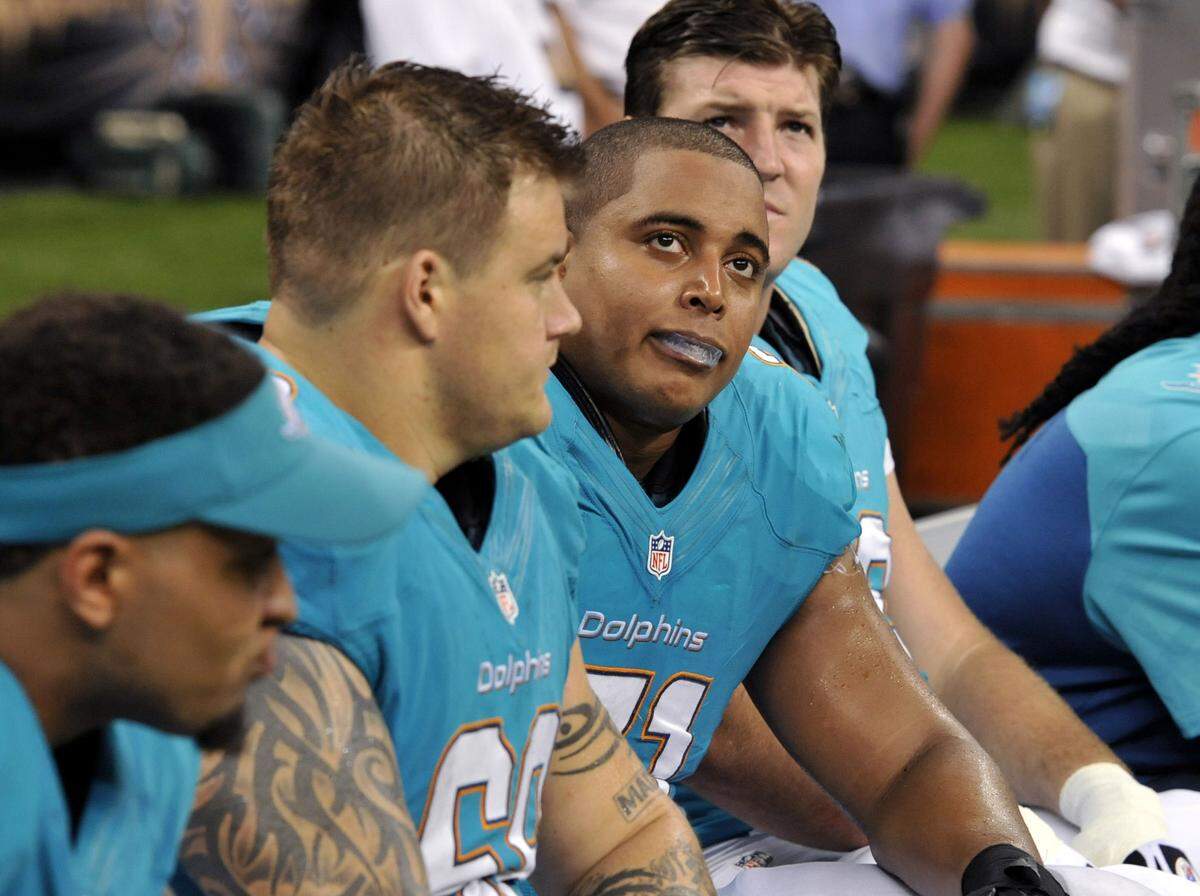
That’s when Incognito and two teammates “engaged in a pattern of harassment directed” at teammate Jonathan Martin, according to investigator Ted Wells, sending Martin on tailspin that hit rock bottom in early 2018, when Martin posted a frightening message on Instagram threatening his tormentors.
Martin, 29 and out of football since 2015, put up a picture of a shotgun and 19 shells on the social media platform, accompanied by the message: “When you’re a bully victim & a coward, your options are suicide, or revenge.’’
The post also mentioned Incognito, fellow Dolphins bully Mike Pouncey, a couple of prep-school basketball teammates and his high school in Los Angeles, Harvard-Westlake School.
The school immediately went on lockdown and sought a restraining order against Martin, who never acted on his threat. Authorities ultimately charged him with making a criminal threat.
Those charges are pending, although the school has since dropped its injunction and many in the community view Martin more with sympathy than fear. Some even privately criticize prosecutors for rigorously pursuing charges in what many believe is a mental health issue, not a criminal one.
And others still wonder if this all could been avoided if the Dolphins in particular and the NFL more broadly was as diligent about mental health then as it was now.
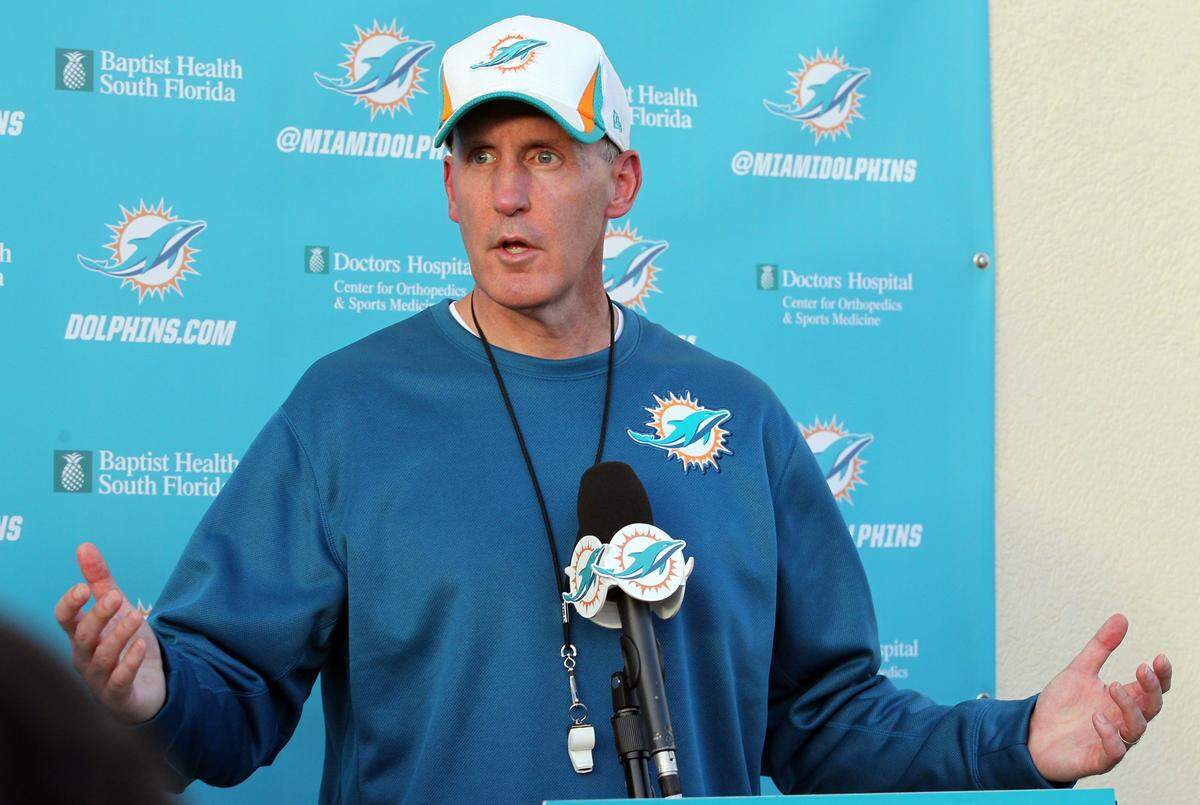
“Absolutely,” Dolphins long snapper John Denney said recently, when asked if a more robust policy might have helped prevented Martin’s breakdown. “Mental health is real. There’s no denying that exists throughout the game. The only way to see is putting it into place. I don’t see the downside of it. It’s one more safeguard to help guys out.”
Denney, one of just two Dolphins from that 2013 still on Miami’s active roster, added: “People suggested that that was the [toxic] culture that was being developed here. [In reality,] you had two guys, two personalities that it was a perfect storm. It could happen anywhere. It just blew up here.”
The details of that 2013 saga are too broad to fully list here, but here’s the quick recap:
Martin, a young offensive lineman who battled depression on and off for the better part of a decade, abruptly left the Dolphins midway through the 2013 season after being subject to verbal and at times physical abuse by teammates for more than a year.
He checked himself into a hospital to address depression and suicidal thoughts. It was later learned that Incognito was the instigator, leaving a paper trail of vile, racist and sexual taunts.

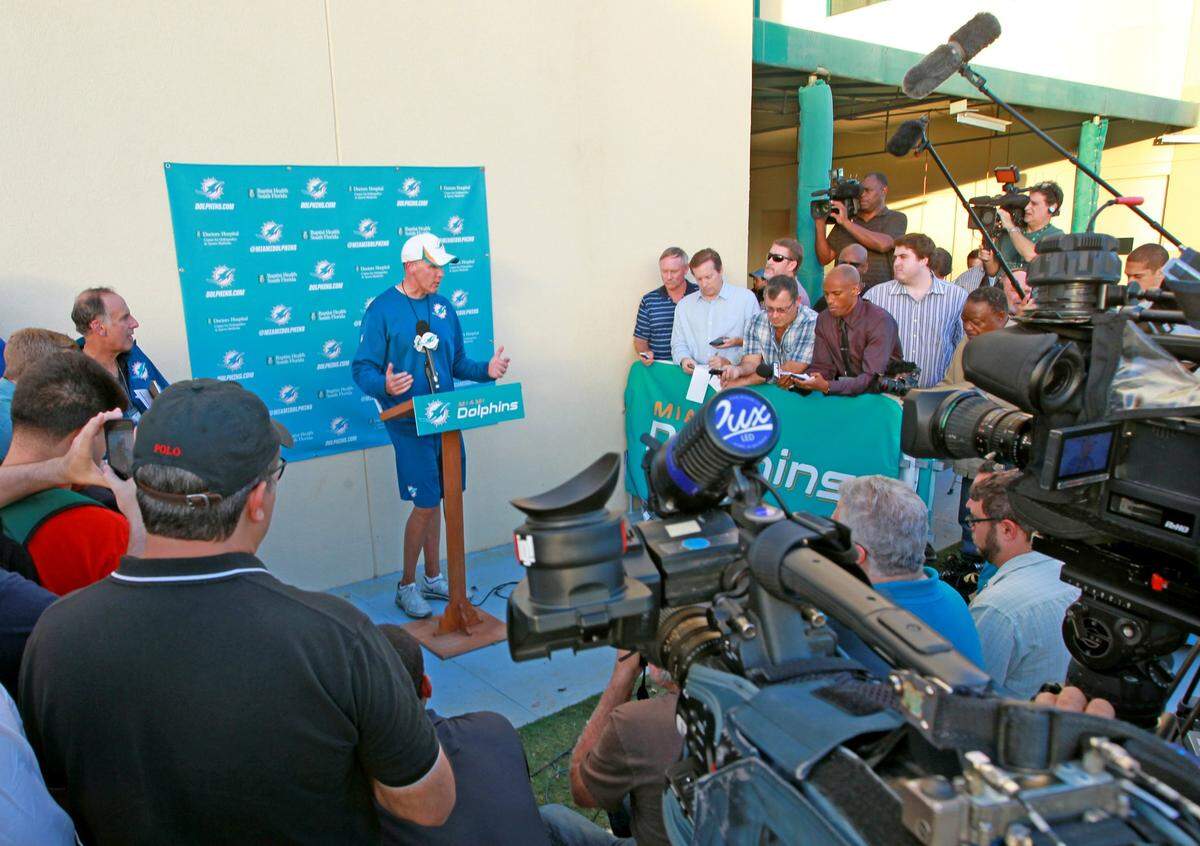
Before quitting the team, Martin never told his coaches that he was the victim of abuse — out of fear of being labeled a “snitch” — but did tell both former coach Joe Philbin and offensive line coach Jim Turner that he was dealing with some scary emotional issues.
After Martin alerted Philbin and Turner to his thoughts of suicide and desire to leave football in the spring of 2013, the Dolphins set him up with a local psychiatrist. But it wasn’t really serious therapy. The doctor was four times his age and their appointments were more like social get-togethers, the Wells Report found.
Most damning:
“After early May, Martin had no in-depth follow-up conversations with either Coach Philbin or Coach Turner about his mental health issues,” according to the report. “Martin did say that each of them occasionally asked how he was doing or how he was feeling in a manner that conveyed concern for his well-being.”
Six years later, the NFL’s new mental health platform, with its emphasis on privacy and follow-through, basically reads as a much-needed correction to the Dolphins’ failures.
With both Incognito’s behavior and Martin’s mental health largely unchecked, Martin’s public breakdown was in retrospect only a matter of time.
That came on Oct. 28, 2013, the day after another bad game by Martin and the Dolphins. Martin, the butt of one last taunt and prank in the lunch room, slammed his tray on the table, and walked out of the team facility for good.
“Your job leads you to attempt to kill yourself on multiple occasions,” Martin would later write in an emotional Facebook post. “Your self-perceived social inadequacy dominates your every waking moment & thought. You’re petrified of going to work. You either sleep 12, 14, 16 hours a day when you can, or not at all. You drink too much, smoke weed constantly, have trouble focusing on doing your job, playing the sport that you grew up obsessed with.
“But one day, you realize how absurd your current mindset is, that this s---- doesn’t matter,” he continued. “People don’t matter. Money doesn’t matter. Fame and notoriety sure as hell don’t matter. Nothing matters besides your family, a few close friends, and your own personal happiness.”
That happiness was fleeting. Although it is impossible to know how Martin is feeling now, as he has declined all interview requests since his arrest, stable, happy people do not threaten to shoot up their school and vow revenge on their bullies.
Incognito took Martin’s January 2018 threat seriously enough that he immediately drove to a safe house. An LAPD detective later testified Incognito “described being in a state of panic. He was in fear.”
But paranoia, fear and erratic behavior have long been Incognito’s defining characteristics. Remember back to 2014, after his indefinite suspension by the Dolphins, when he smashed up his $300,000 Ferrari with a baseball bat.

“My thoughts were, I hope he’s getting better,” Denney said of news that the Raiders had thrown Incognito’s career a lifeline. “I know he’s had some tough times. My first thoughts, it sounds like — if that’s the situation, and this is all speculation on my part — but if someone’s going to hire him, he’s taking all the steps, and he’s putting it behind him.”
The Raiders, who have not made Incognito available to reporters since signing him, insist that they have a strong support system in place. And so far, he has been on his best behavior.
New teammate Darren Waller, a tight end for the Raiders, didn’t know too many of the details of Incognito’s past when he signed, but if he had any concerns about Incognito’s temperament, Waller did not share them with the Miami Herald.
“He may have had some issues with some teammates at a certain point,” Waller said. “But ever since he’s been here — he’s two lockers down from me — super positive, all the time. Seems extremely grateful to be here. ... Since he’s been here, he’s been a great teammate.”
If that sounds familiar, it should. Most every Dolphins player not named Jonathan Martin said the same thing about Incognito after he was essentially kicked off the team.
The question no one can answer: How long will he keep out of trouble, and how will he react to having HBO cameras in his face at most every waking hour? The Raiders are convinced they have the infrastructure in place to help Incognito and anyone else battling demons.
“We take a lot of pride in that,” Gruden said. “The mental health, the physical health, of all of our players and employees. Not everybody’s the same. Some people, obviously, have matters that need some help. A lot of this is stuff I’m not going to talk about here. Everybody has, all of us, have our own issues. We take a lot of pride in servicing our players, whatever their needs may be. And that, we’ll continue to do.”
This story was originally published July 2, 2019 at 11:32 AM.