
A look at the domino effects that have resulted in the Miami Marlins’ struggling offense
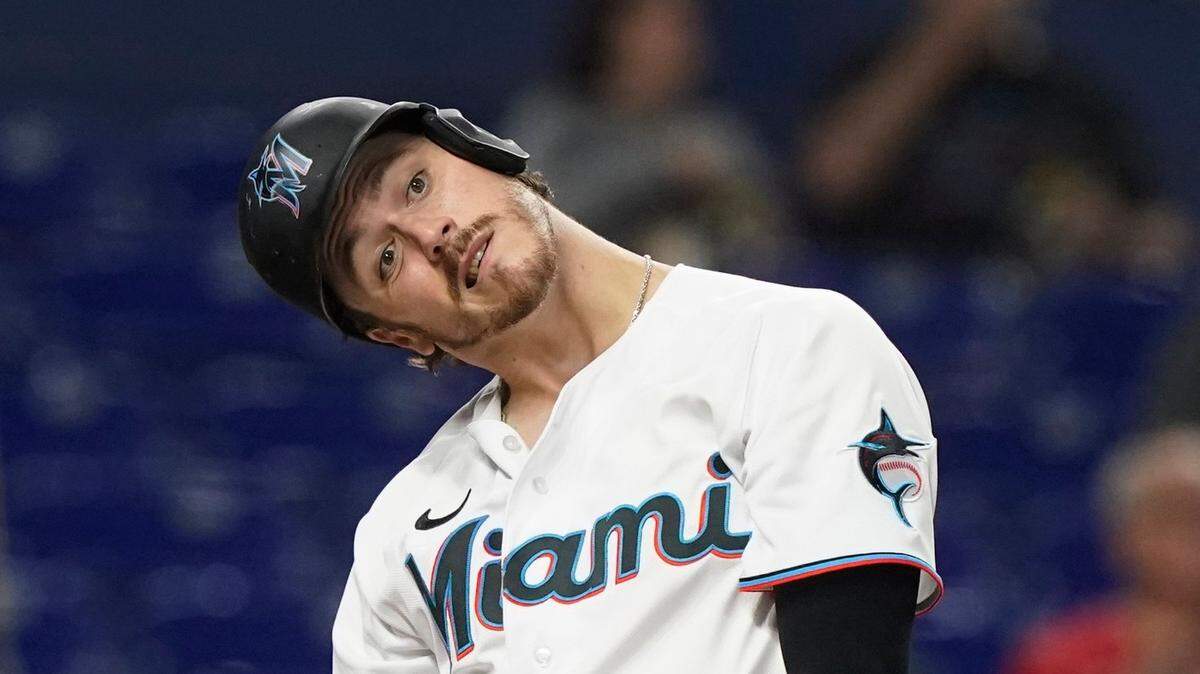
Miami Marlins manager Don Mattingly understands the situation the Miami Marlins are in at this point when it comes to the team’s offense.
“It’s going to be a battle,” he said.
Improving the offense was the Marlins’ top priority this offseason. They signed two outfielders with power potential in Jorge Soler and Avisail Garcia in addition to trading for a versatile infielder in Joey Wendle who hits for average to bolster a young lineup that had players the organization hoped would take the next step.
It worked for the first three months before drastically falling off the past 10 weeks, an extended run of struggles that turned Miami from the outskirts of playoff contention to a lost season with the end of the regular season focused on preparing for 2023.
So what happened?
Consider these three points.
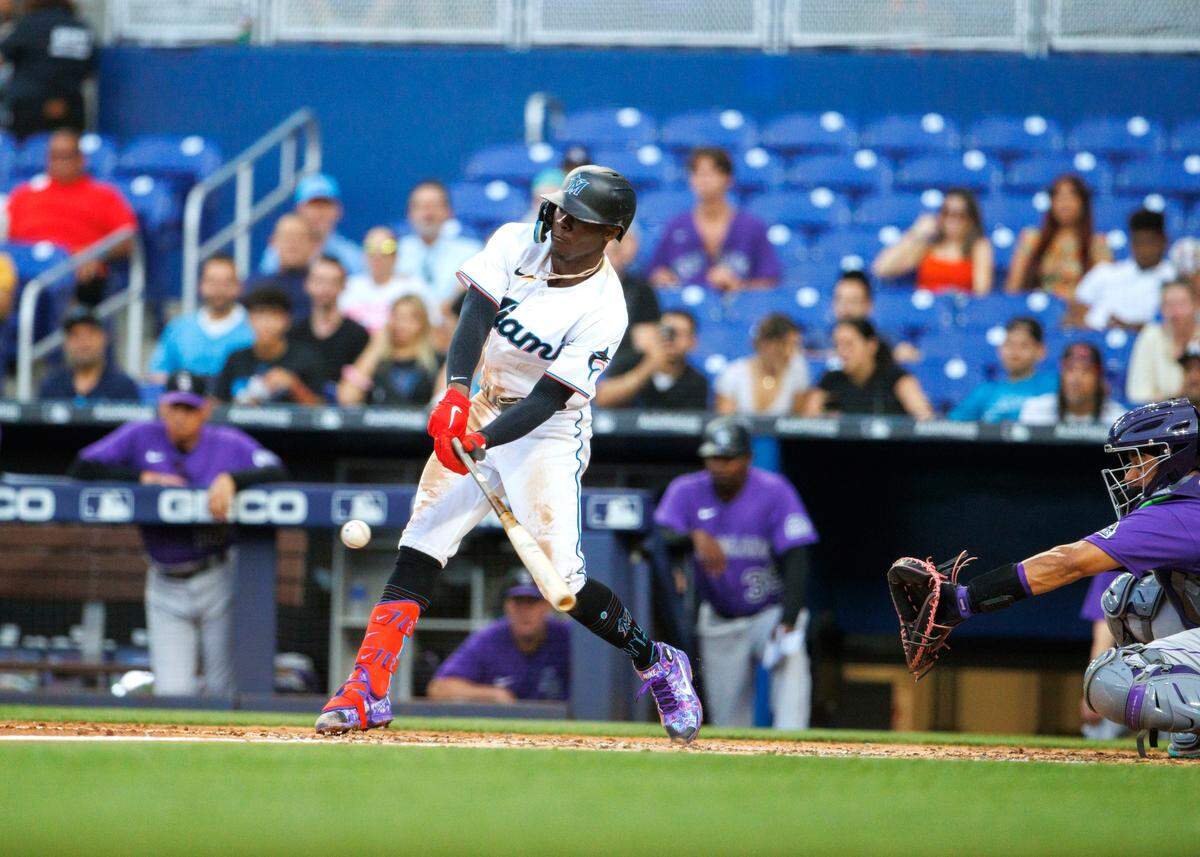
All-Star second baseman Jazz Chisholm Jr. hasn’t played since June 28 with a stress fracture in his lower back. Soler, who was on pace for a 30 home run season, has played in just five games due to two separate injuries (first pelvis inflammation and then lower back spasms) since that date, at which point the two led the team in home runs (Chisholm with 14, Soler with 13) and were two of the team’s top-three RBI producers (Chisholm leading the team with 45 and Soler in third with 34, one behind first baseman/designated hitter Garrett Cooper).
The Marlins’ lack of offensive production since those two have been sidelined has been staggering.
In the Marlins’ first 73 games of the season, through the last game Chisholm and Soler played together on June 28, the Marlins had a collective .244 batting average (14th in MLB), .706 on-base-plus-slugging mark (16th in MLB) and 80 home runs (14th in MLB) while averaging 4.4 runs/game.
Those are middle-of-the-road offensive numbers, for sure, but it was enough to keep them competitive when paired with high-end pitching.
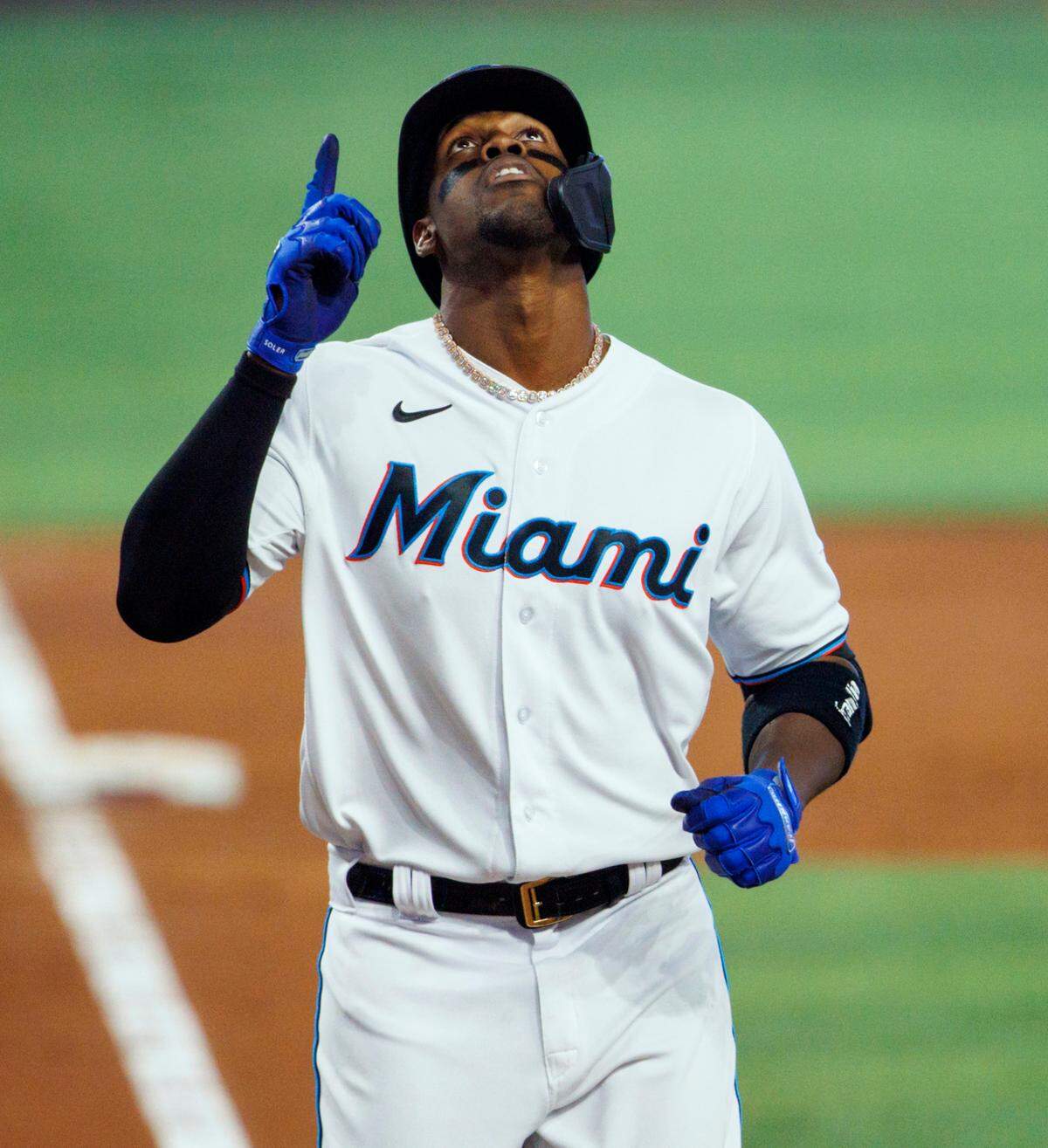
In the 60 games since then? The Marlins’ offense for the most part has been non-existent.
Their 152 runs in those 60 games, which averages out to just over 2.5 runs per game? No MLB team has had a stretch of futility like that since the 1971 San Diego Padres.
Their .206 team batting average? An MLB-worst, four points behind the next closest team in this stretch (the Los Angeles Angels, .214).
Their .583 team OPS? An MLB-worst, 43 points behind the next closest team in this stretch (the Detroit Tigers, .616).
Their 36 home runs? You guessed it. An MLB-worst, three behind the next closest team in this stretch (also the Tigers, 39).
Their record in those 60 games? 22-38. The Marlins have been shutout eight times in those 60 games and have scored more than three runs just 13 times.
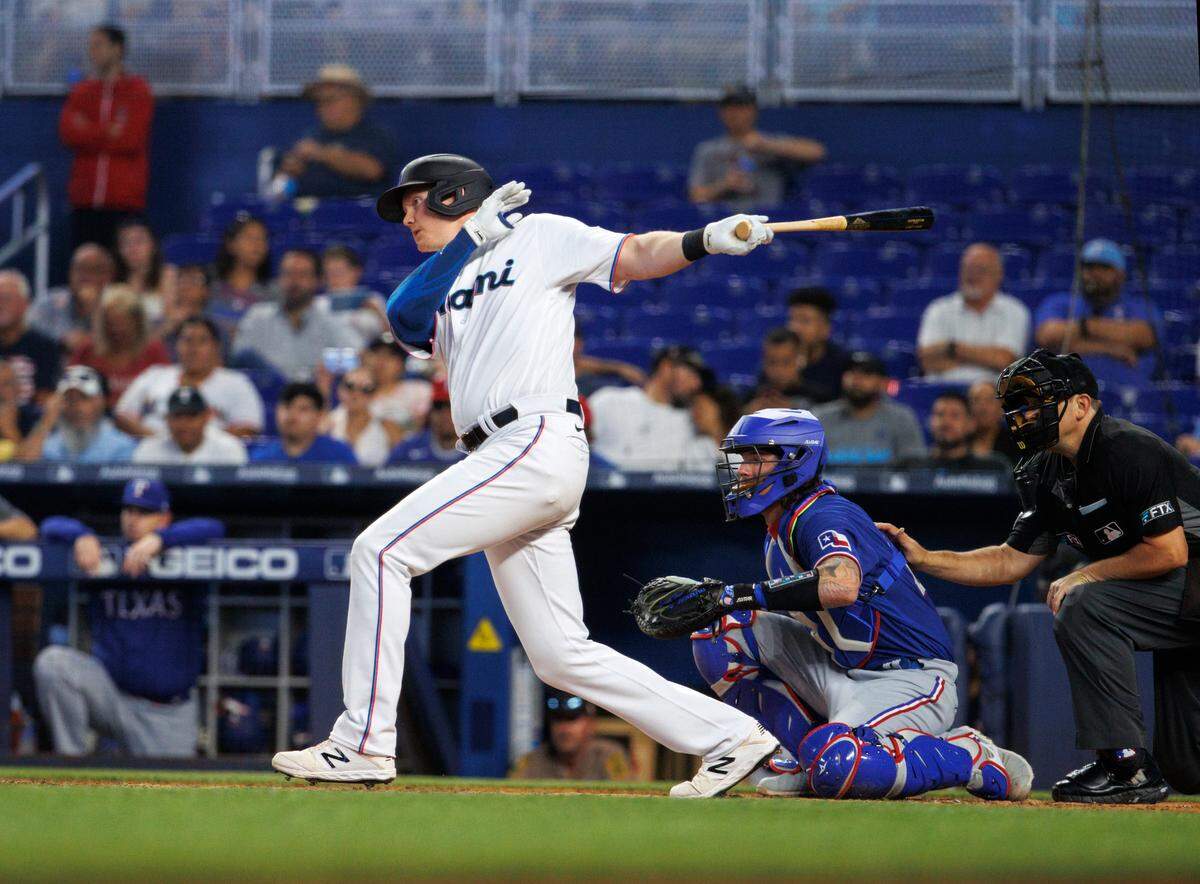
No. 2: The team’s “big boys,” as Mattingly calls them, haven’t produced and role players haven’t stayed healthy.
This is the group that comprised the heart of Miami’s lineup when everyone was healthy — Soler, Cooper, Garcia and first baseman/designated hitter Jesus Aguilar.
With no Soler and Chisholm, it was paramount that the trio of Cooper, Aguilar and Garcia lead the offense.
Instead? Here’s how they’ve fared over this 60-game stretch:
▪ Cooper is hitting .120 (14 for 117) with a .472 OPS, seven doubles, one triple, two home runs, seven RBI and 43 strikeouts over 37 games (with two short injured list stints weaved into this stretch). Cooper had a .315 batting average and was named an All-Star for the first time before this slump.
▪ Aguilar hit just .213 (36 for 169) with six doubles, six home runs, 18 RBI and 42 strikeouts over 48 games before being designated for assignment on Aug. 26.
▪ Garcia, who has struggled offensively all season, had been the best of the bunch, hitting .245 (23 for 94) and a .602 OPS but with just three extra-base hits (one double, two home runs) and nine RBI in 28 games before going on the IL Aug. 3 with a left hamstring strain.
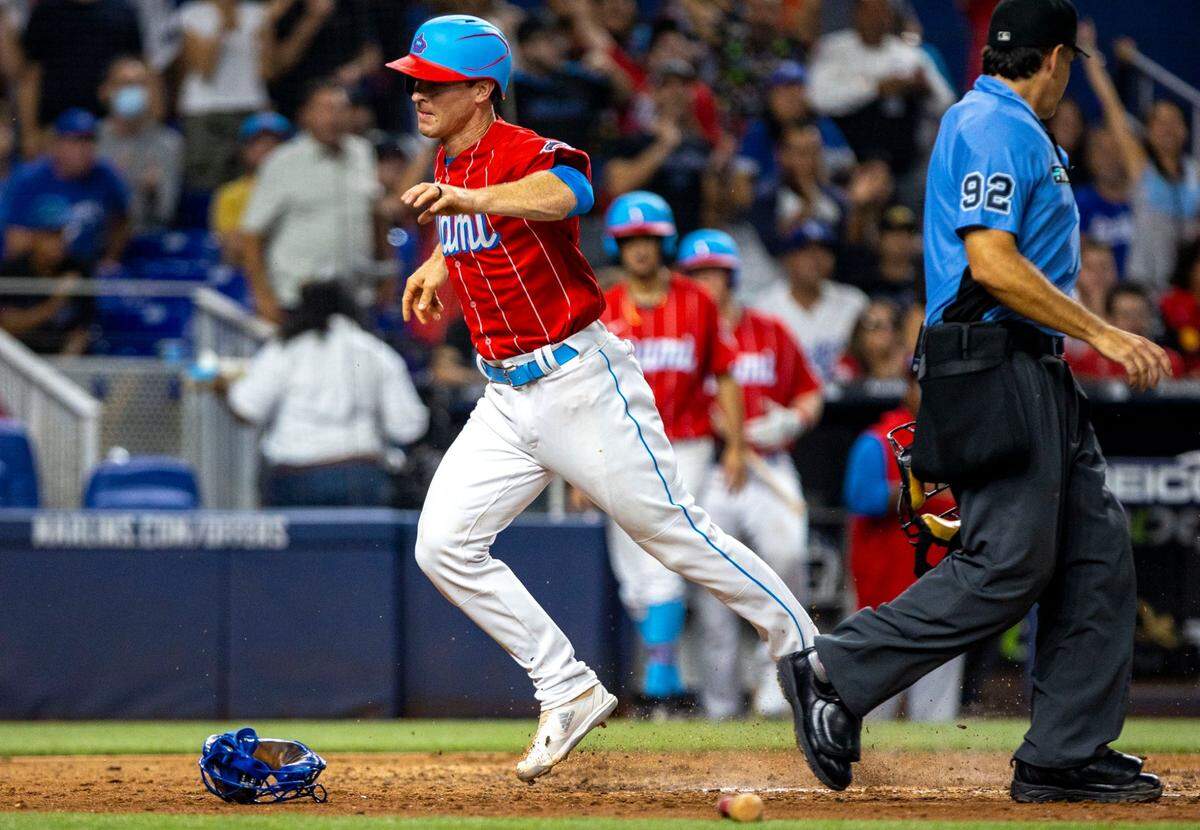
That puts pressure on the likes of Wendle, Jon Berti, Brian Anderson and Miguel Rojas — players who were supposed to be complementary pieces on offense — to produce more. All four of them have dealt with injuries at various points this season, as well. Wendle, Berti and Anderson each missed at least one month — Wendle with a hamstring, Berti with a groin, Anderson first with back spasms and then a shoulder sprain — while Rojas is playing through a nagging wrist injury.
“Staying healthy is a big thing,” Mattingly said. “Depth is always a big thing, because you see it over the course of the year, you’re going to need it. And if you don’t, your guys that are coming and filling in aren’t keeping up with the rest of it. Then it’s hard to sustain.”
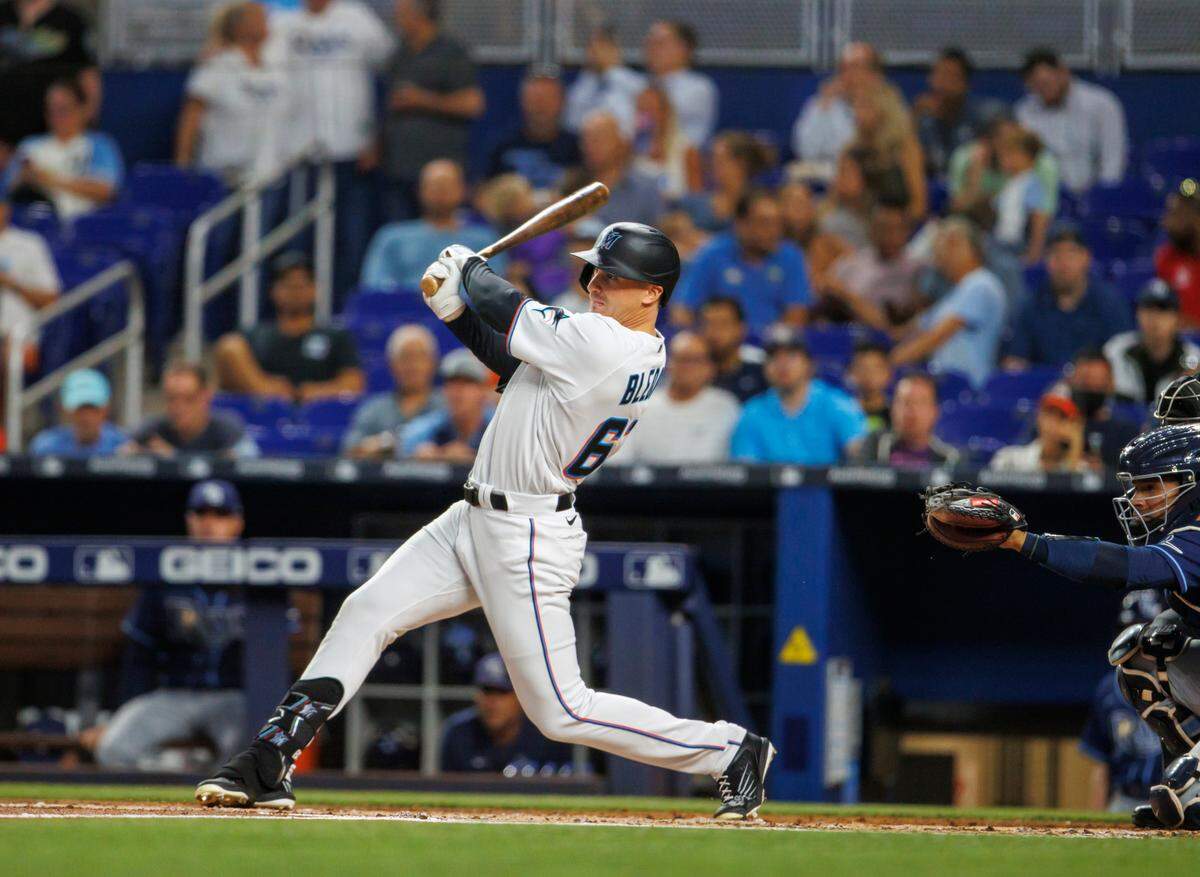
No. 3: The season’s final push has primarily turned into evaluating for 2023.
That means a heavy dose of prospects — specifically outfielders JJ Bleday, Peyton Burdick and Jerar Encarnacion; first baseman Lewin Diaz; and infielder Charles Leblanc — in the lineup on a nightly basis.
Miami has fielded a starting lineup with at least three of those five in 29 of their past 33 games, a lineup with at least four of the five in 11 of the past 27 games and a lineup with all five of them twice (Aug. 22 against the Oakland Athletics and Saturday against the Braves)
Those lineup choices are by design. Mattingly said his lineups are made sometimes as far as five days in advance because the front office wants to see the lineup so that “they can mix and match who they want to see.”
And while there have been bright spots at certain moments, the overall results haven’t always been there — understandable as they adjust to the increased competition of the big leagues.
Bleday is hitting .182 with a .667 OPS, four home runs, eight doubles, one triple, seven RBI, 12 runs scored and 20 walks while striking out 39 times in 142 plate appearances.
Encarnacion has 12 RBI — the most of the five despite the fewest plate appearances — to go along with two home runs and three doubles but is hitting .213 overall with a .628 OPS and 20 strikeouts in 49 plate appearances.
Leblanc is hitting .286 with a .735 OPS after starting his MLB career by safely reaching base in each of his first 13 games before his production began to drop off in his next 13 games.
Burdick is hitting .171 with a .554 OPS and 33 strikeouts in 92 plate appearances.
And Diaz has five home runs but is hitting just .167 with a .476 OPS in 106 plate appearances.
“We have young guys,” Mattingly said, “that our coaches are going to keep talking to, give them an understanding of where they’re at and how do we get better, and basically try to celebrate any kind of small victories that we have within what they’re doing and their growth.”
.JPG)