Remembering Rocky Johnson: making history, breaking barriers and living in South Florida
Rocky Johnson was more than just a wrestler.
He made history, was a good father and broke barriers.
Johnson died on Wednesday in his home in Lutz, Florida. He was 75.
What a wrestler, performer in the ring. In great shape, sporting a great physique and fish tattoos on his chest, he excited crowds with the Rocky Johnson shuffle, the high-flying, hard-hitting drop kicks and speedy powerful punches (he was a trained boxer), but one of the most significant moves by Johnson was his stance away from the ring.
When dealing with promoters, especially in the South in the 1960s and 70s, he would not allow them to racially stereotype him.
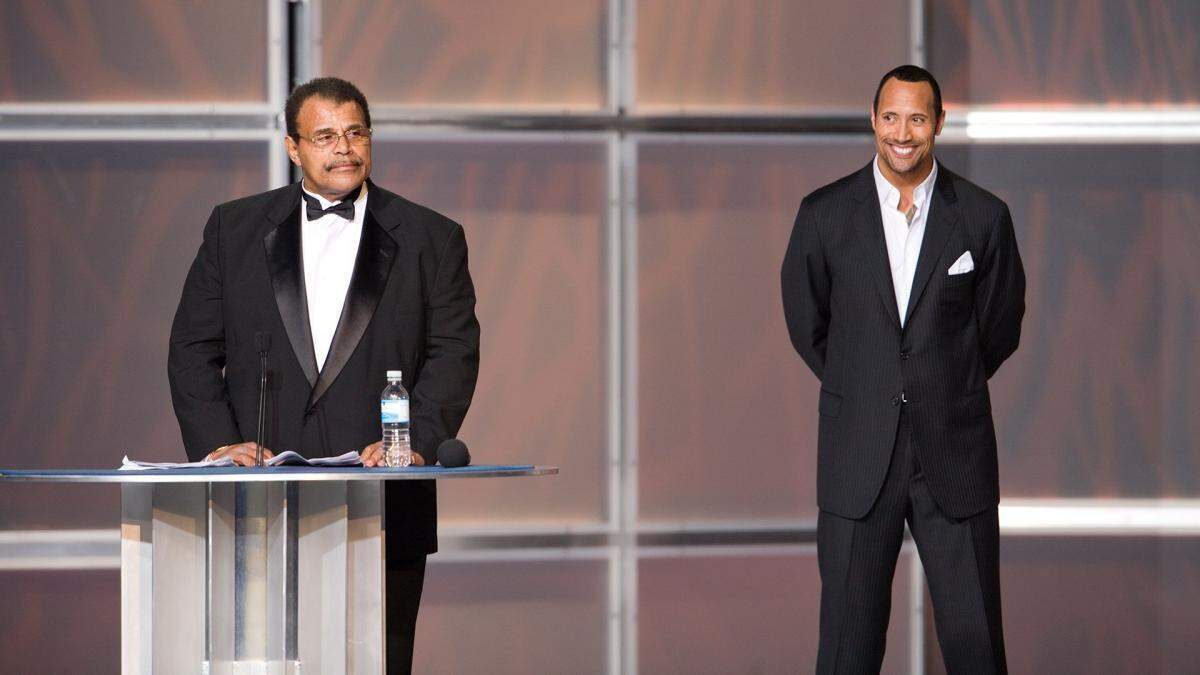
I remember interviewing him in his home in Pembroke Pines a few weeks before he was inducted into the WWE Hall of Fame in 2008 by his son, Dwayne “The Rock” Johnson. We discussed those times.
Southern promoters back in the day booked black wrestlers to eat chicken and watermelons on shows, be bound by chains, act a certain way, the dialect ... and the names of some of the wrestlers. It was different then. The wrestler either did it or did not work, not get paid.
Rocky knew it was wrong, and he would not work the South or for any company that wanted him to degrade himself.
When Memphis booking called Rocky to work its territory, he made it crystal clear he would not succumb to those stereotypes, or forget it, he won’t make the trip. WWE Hall of Famer Jerry “The King” Lawler, the king of Memphis wrestling, assured Rocky he would be treated fairly, respectfully.
They actually worked a boxer vs. wrestler program. Jerry Lawler the wrestler against Rocky Johnson the boxer. It went over well. Fans bought into it. That’s when a lot of press occurred for the boxer vs. wrestler concept — Ali vs. Inoki and Wepner vs. Andre the Giant.
Staying true to his convictions, Rocky Johnson became a champion in Tennessee as well as the Carolinas, Georgia, Florida, Texas and other states across the country and in Canada.
As a top wrestler, as a man, he helped change the culture and stereotypes of African Americans in pro wrestling. He broke barriers, especially those in the South. Years later in 1982 in Baltimore, Ron Simmons won the WCW title, becoming the first recognized African American world champion. WCW was based in Atlanta.
Rocky Johnson, Thunderbolt Patterson and Bobo Brazil helped paved the way for Simmons, Junkyard Dog, The Rock, Booker T., Kofi Kingston and other wrestlers of color to win championships, lead a company.
Remembering Rocky Johnson
So many memories for me of Rocky Johnson.
He became one of my favorites while growing up watching Championship Wrestling from Florida at noon on Saturdays on WCIX Ch. 6 and 33.
I got hooked on pro wrestling when my family moved from Connecticut to South Florida. I was 9. My favorite was the American Dream Dusty Rhodes, but I also liked watching, cheering Rocky Johnson. The lightning-fast and powerful punches and especially the Ali shuffle and consecutive high, hard-hitting drop kicks captured my attention and fandom.
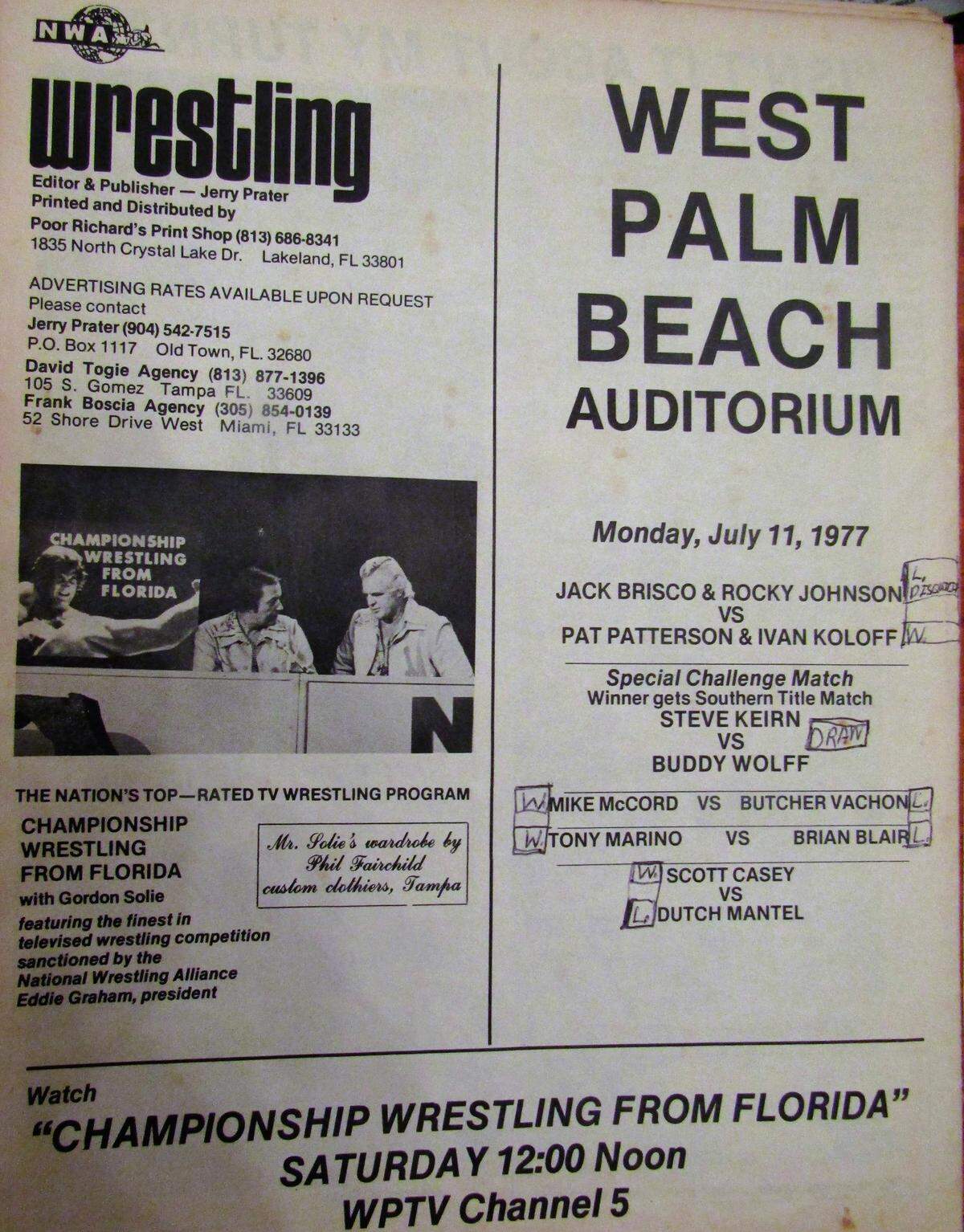
Always interested in attending a live show, one of my first shows my dad took me occurred in West Palm Beach on a Monday night (circa July 11, 1977) at the West Palm Beach Auditorium. A cool place, the look/shape resembled a mini Syracuse dome.
Some religious group owns it now. Pro wrestling ending there many moons ago. (No pun intended).
Anyway, on the card, in the main event, Rocky Johnson teamed with Jack Brisco against Ivan Koloff and Pat Patterson.
Years later Johnson asked Patterson to assist him in training his son, Dwayne Johnson, to become a pro wrestler. Who knew?
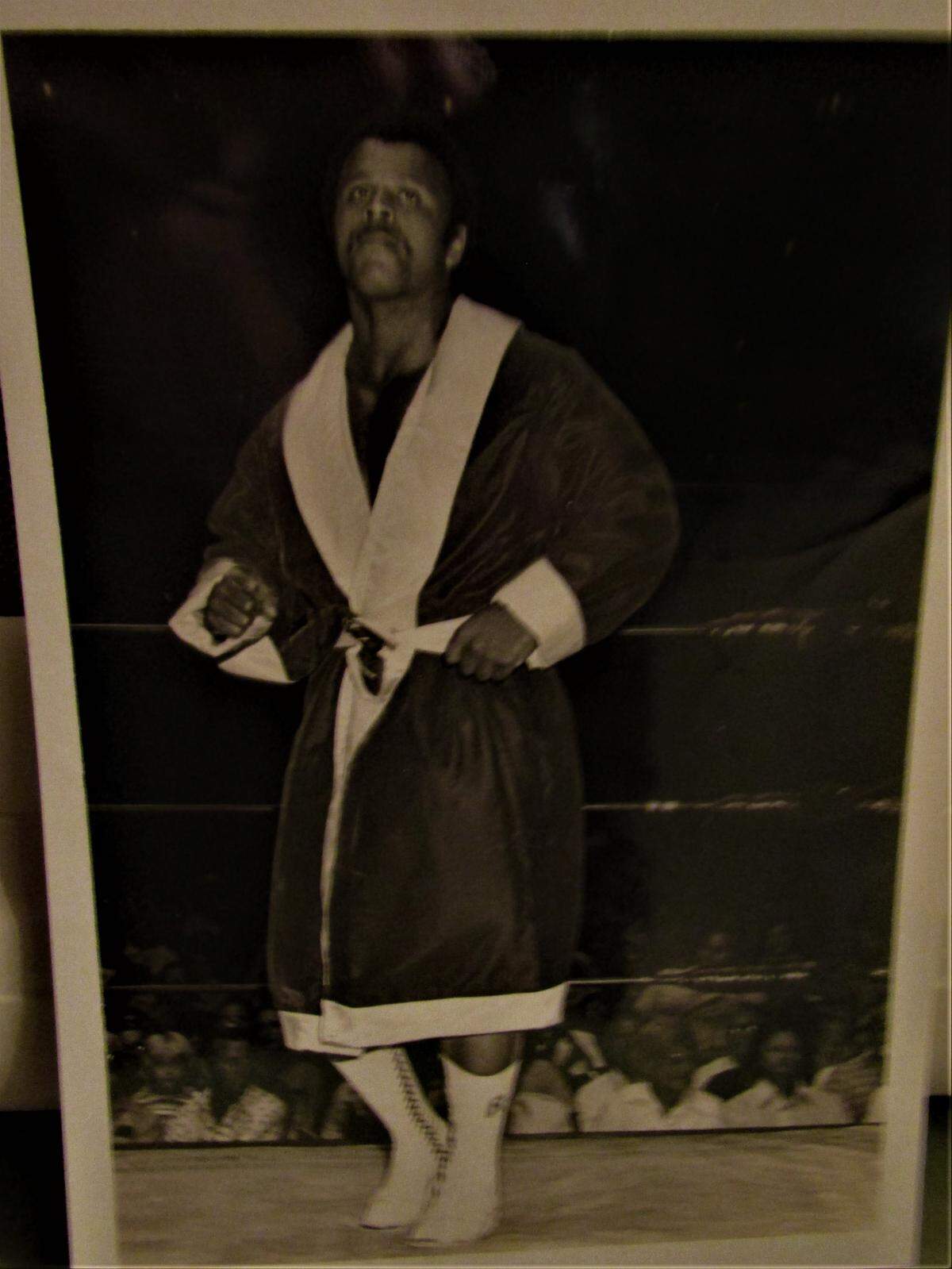
I purchased a photo of Rocky at the West Palm Beach show. During those days, buying photographs of wrestlers was a big deal. (Pun intended).
I recall first meeting Rocky Johnson at the same venue I watched him wrestle when I was a kid.
WWF (now WWE) hosted a show at the West Palm Beach Auditorium, and Rocky Maivia wrestled on the card. When The Rock debuted for WWF, he took the name of his father and grandfather.
After his match, Rocky Maivia, accompanied by Rocky Johnson, stood outside the back of the West Palm Beach Auditorium for an audio interview with me. Tape recorders in those days, folks.
That was a cool moment. I met one of my wrestling idols from my childhood and conducted the first mainstream wrestling interview with The Rock as Rocky Maivia.
How proud Rocky Johnson was of his son. Rocky did not make it easy for his son. He did not want him in the wrestling business, but Rock convinced his dad to train him after his pro football playing days ended. Rocky made it tough for his son, because he wanted his son to earn it, work hard for it, and he did. He really did.
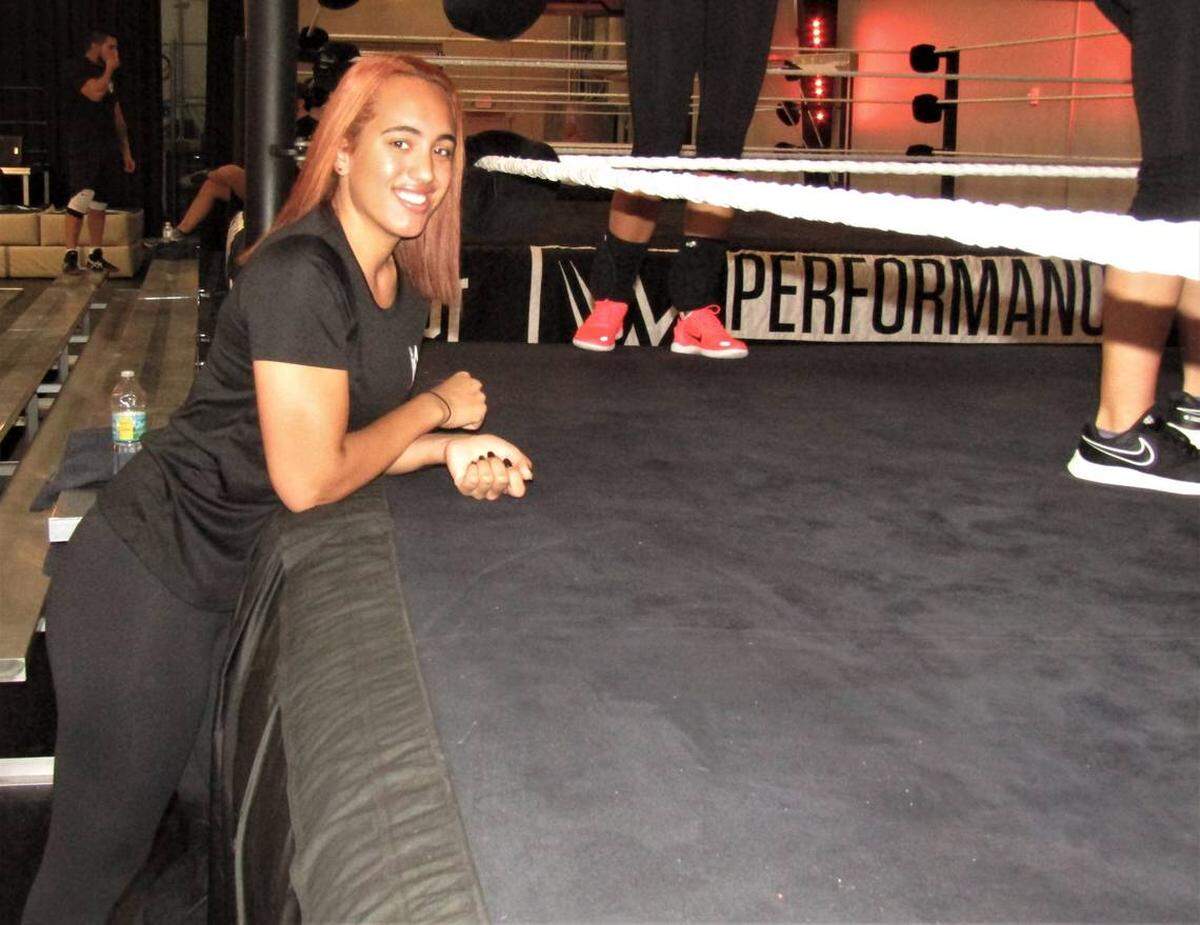
It marked the first of several interviews I did with either Rocky, Ata, The Rock, Rock’s then-wife Dany Garcia and later their daughter Simone (via email through grandma Ata). Simone is fourth-generation wrestling, currently training at the WWE Performance Center in Orlando.
About Rocky Johnson
Born Aug. 24, 1944, in Amherst, Nova Scotia, Canada, Rocky Johnson trained to be a boxer and sparred with some of the best, including Muhammad Ali and George Foreman.
Pro wrestling fascinated him, and with a boxing base, he began learning the wrestling business in the ring and out. WWE Hall of Famer High Chief Peter Maivia was one of the greats who trained him. That’s when he met Maivia’s daughter, Ata, and the two later married and had a son, Dwayne, who became a University of Miami football player, college grad, WWE standout, movie star. show host, producer, philanthropist and more.
Rocky debuted in 1964. A fan favorite, he starred in the NWA and WWF. Championship Wrestling from Florida was one of his stomping grounds as he wrestled throughout the country.
A singles star and tag team specialist, he teamed with Tony Atlas to become the first African Americans to win the WWF tag team titles, beating the Wild Samoans for the gold. Rocky remained friends with the Wild Samoans, especially Afa, and they participated in an autograph signing along with Jimmy Superfly Snuka in (South Florida) Coral Springs several years ago.
Rocky lived in South Florida for a while. He made residence in Century Village in Pembroke Pines. I recall interviewing him there. He kept himself in good shape, going to the workout room in the clubhouse regularly.
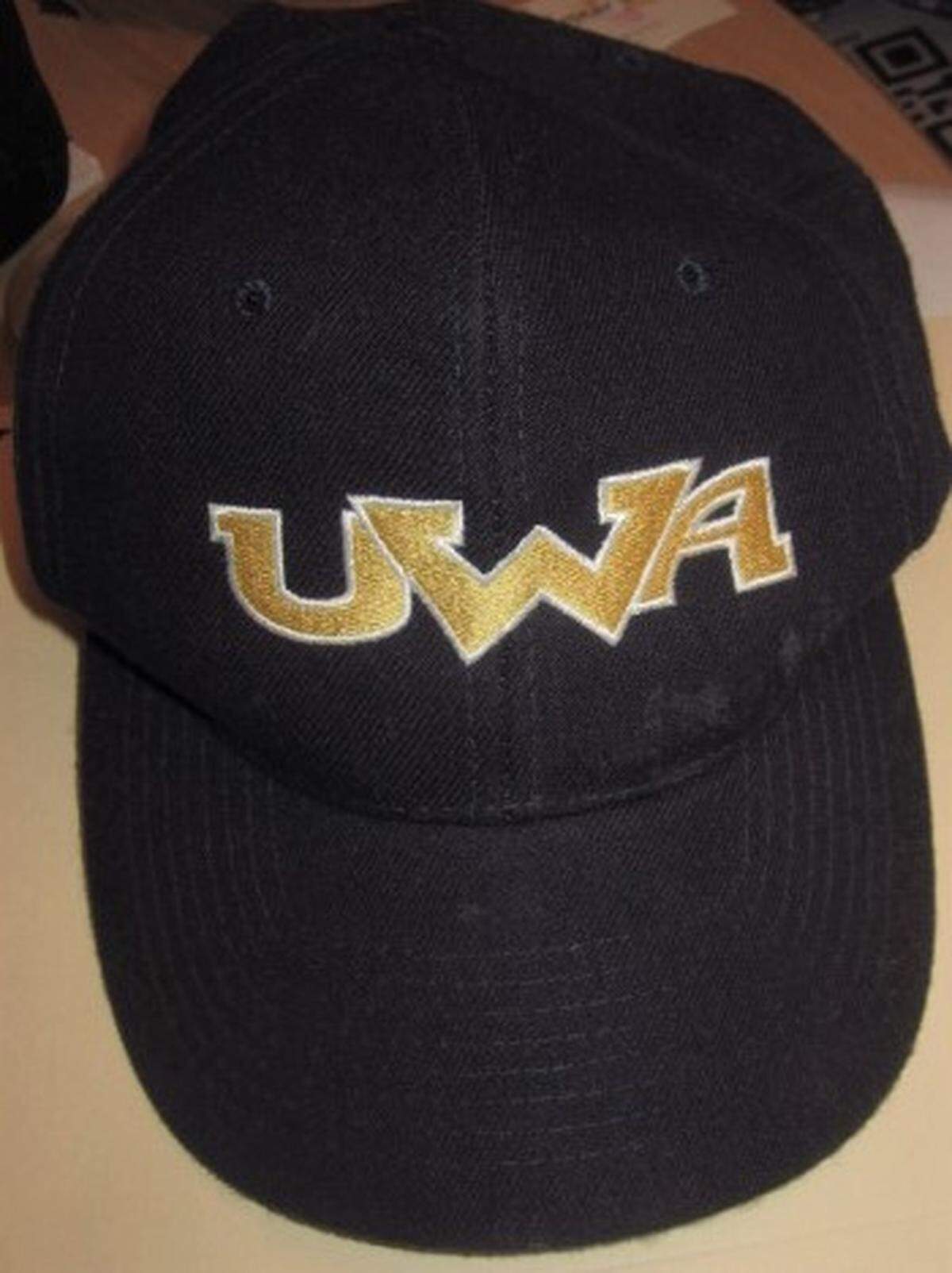
He worked indie pro wrestling shows in the area including CCW and FEW. He coached/trained some, and he almost started his own wrestling company, Urban Wrestling Alliance (UWA), based in Davie, with Florida indie wrestling stalwarts Soulman Alex G and Ram Man.
Speaking of Davie, Rocky forged a friendship with Davie Mayor Harry Venis, and they helped each other. Mayor Venis wrestled on the Florida indie circuit, and thanks to Rock and Rocky, the Mayor even worked a segment with the Mean Street Posse on WWE TV. That’s when Rock called West Davie home.
Rocky penned an autobiography — “Soulman: The Rocky Johnson Story” (ECW Press), published September 2019. Not only making his mark in North America, he wrestled internationally in Japan, Saudi Arabia, Samoa, and Puerto Rico.
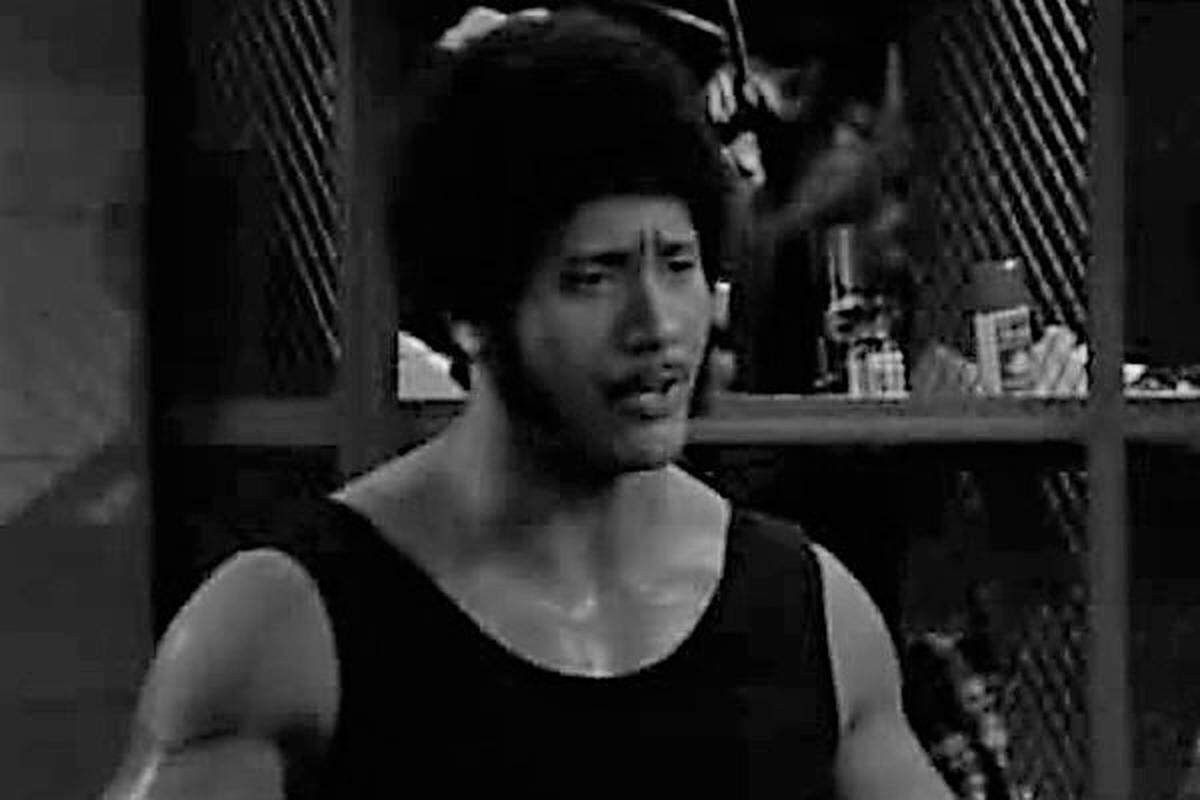
One of my favorite Rocky Johnson memories was when The Rock portrayed him on the hit TV series “That ‘70s Show.”
RIP Rocky Johnson. Your legacy will always be important to the history of pro wrestling.
My Pro Wrestling Talk on the Web and Social Media
http://www.miamiherald.com/sports/fighting/
Twitter: @jimmyv3
YouTube: jim varsallone (jimmyv3 channel)
Facebook: https://www.facebook.com/ProWrestlingSouthFlorida/
Facebook: https://www.facebook.com/WWE-WrestleMania-28-Miami-241160769255279/
This story was originally published January 17, 2020 at 12:11 PM.