
How the Blue Wave’s World Cup appearance put tiny Curacao on the map
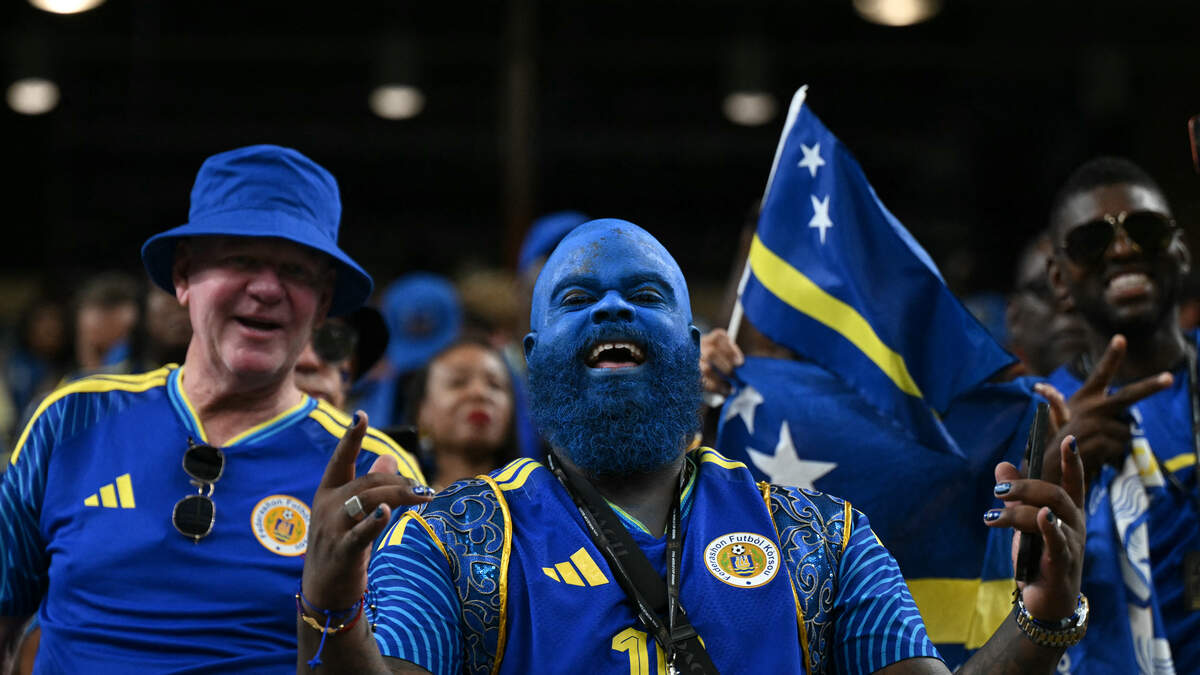
Up until a few weeks ago, Curacao, a tiny Caribbean island 40 miles off the Venezuelan coast, was known mainly for its breathtaking turquoise water and a dyed blue liqueur used in tropical cocktails.
Diehard baseball fans also may have known that the Dutch-influenced nation of 156,000 people is the highest producer of Major League Baseball players per capita in the world, including outfielder Andruw Jones, the former Atlanta Braves star who was nicknamed “The Curacao Kid”.
But Curacao now finds itself on the global sports stage after its historic debut in the 2026 World Cup as the smallest nation ever, by size and population, to take part in the tournament.
How small is Curacao? The crowd of 68,021 at Houston’s NRG Stadium on Saturday for The Blue Wave’s World Cup opening 7-1 loss to Germany was almost half the size of the island’s population. As far as land mass, Florida is 300 times larger than Curacao.
Curacao is one of four teams playing in its first World Cup, along with Cape Verde, Jordan and Uzbekistan.
Residents of Boca Raton are getting to know a bit more about the island and its culture because the team is based there throughout the tournament and training at Florida Atlantic University. A crowd of 5,000 showed up for an opening training session last week.
Two of the players on the team, goalkeeper Eloy Room and forward Jurgen Locadia play for USL club Miami FC.
Although the lopsided defeat to Germany was not what they hoped for, Curacao players and fans are proud to be in the tournament and will never forget the team’s first goal, scored by Livano Comenencia.
“It was happiness, you scored your first ever goal in a World Cup, so it’s an amazing feeling to see your people happy that you scored your first goal,” said teammate Juninho Bacuna.
“The result was not nice, but you could see everyone is just happy that we are standing on this stage together. We want to make Curacao as big as possible to the world and since we qualified you can see the impact already and the support from everywhere.”
His brother, Leandro, added: “I think we can be really proud, to play a team like Germany, and to actually score a goal. We did a great job, but then we gave up too many easy goals.”
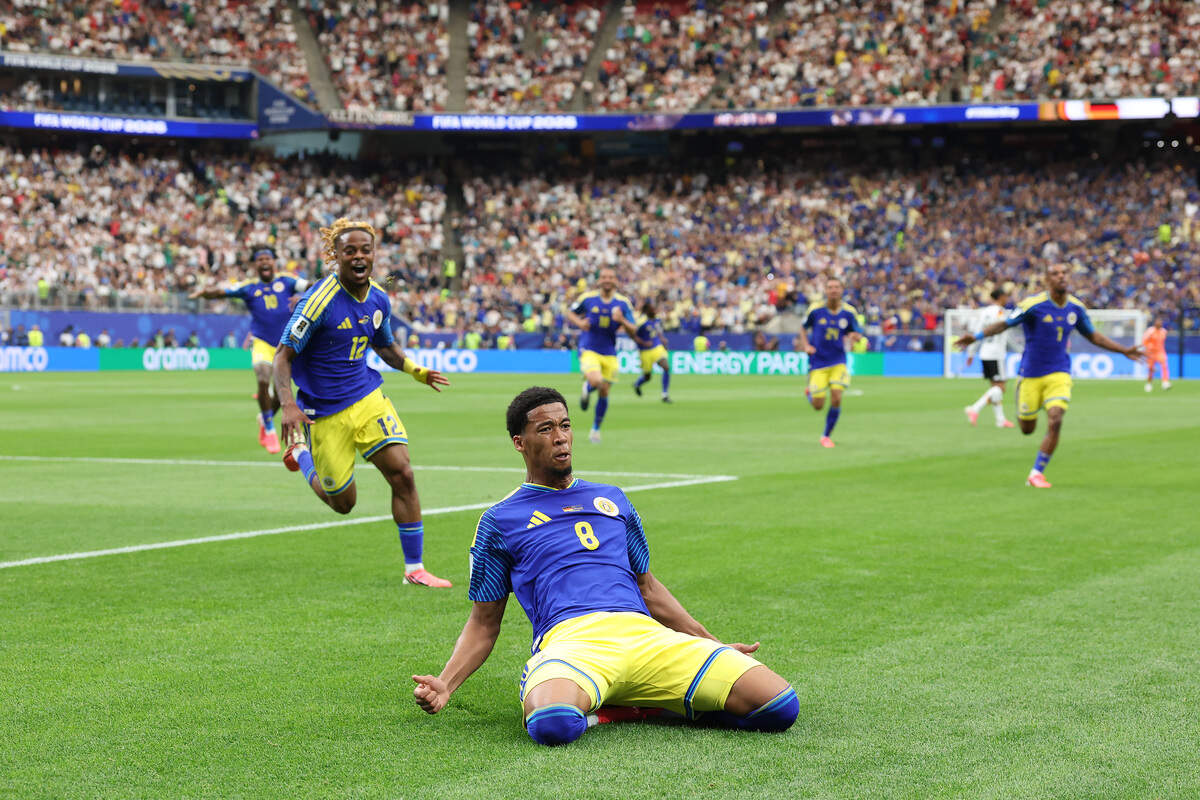
Leandro said he was inspired by the fans’ support in Houston.
“It was great that the people had something to smile about, we qualified for the first time ever and scored for the first time ever,” he said. “I think people will still be happy and cheer us on until the last game. No matter what we do, we are still heroes. But, we have to get some points somehow to make them even more happy.”
The island is already benefiting from the Blue Wave’s participation in the tournament.
“Win, lose or draw, we are already winners participating in the World Cup, and we’re going to be enjoying this,” said Muryad de Bruin, managing director of the Curacao Tourism Board told the Miami Herald.
Tourists from South Florida, New York, Atlanta and Charlotte, as well as from the Netherlands, Germany, and South America, were already somewhat familiar with Curacao. But the World Cup team has raised the profile of the island to new heights.
“What the World Cup did is give us world attention, world awareness,” de Bruin said. “Right now, everybody knows that Curacao exists. We have had media reach out to us from India, the Middle East, China, places we never thought we would have reached. We had a TV station from Martinique on the island a few weeks ago doing a documentary.”
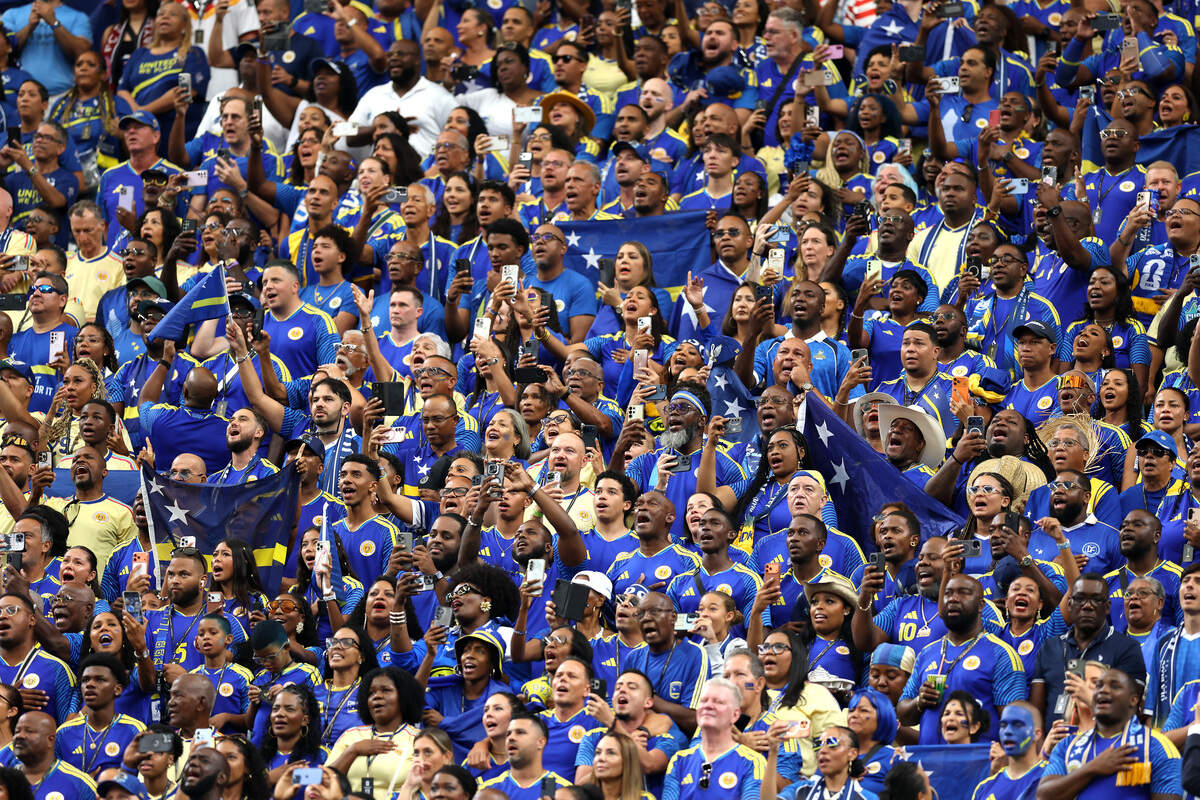
The team’s uniform is one of the most sought-after and hard to find. The home uniform is deep blue, representing the Caribbean Sea with a wave pattern honoring the Blue Wave. The away uniform is yellow with turquoise, pink, and orange trim, inspired by the historic, colorful architecture of downtown Willemstad.
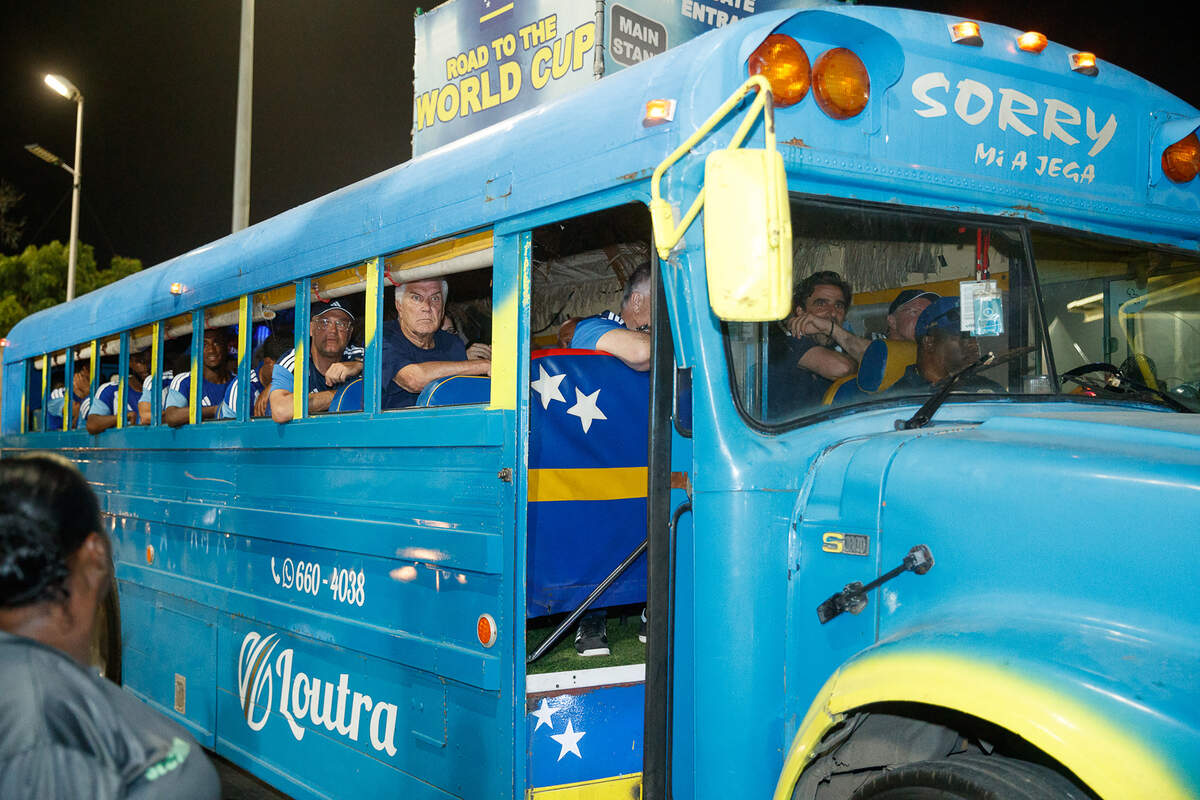
Even the team bus went viral during World Cup qualification. It is a vintage blue American school buswith no window panes, which was tricked out as a party bus with lights and speakers and players danced on it after their games.
Making the team’s story even more charming, Curacao’s 78-year-old Dutch coach Dick Advocaat is the oldest coach in tournament history.
Curacao became an autonomous country within the Kingdom of the Netherlands in 2010, following the dissolution of the Netherland Antilles. The Dutch influence is strong. Most people on the island can speak Dutch, Papiamento (a Creole language), English and Spanish.
The squad is led by the Bacuna brothers, who both play in Turkey after years in England.
“I have been playing for seven years on the national team with my brother, but to be here on this stage is an incredible feeling, a proud feeling, a dream come true, especially for our family,” Juninho said. “When I was there on the pitch, I was thinking, `Guys, we made it’ and now we have to show what we can do and that we are a country that can play on a big stage.”
Curacao’s roster is made up of players with dual Dutch-Curaçaoan heritage who play professionally in European leagues, such as Sontje Hansen and Tahith Chong, the only player on the roster who was born on the island. Hansen plays for Middlesbrough and Chong for Sheffield United.
“A lot of the Dutch players from Curaçao play in the youth teams of Holland, which I did as well, and then make the transition,” Locadia said in an interview with FIFA.com. “I think Eloy started this journey because he was one of the first players to change from the Netherlands to Curaçao. Seeing him play for Curaçao made a lot of players think about it. Eventually we came up with a team which is predominantly players from Holland, and obviously there’s quality there.”
Although he did not grow up on the island, Locadia visited there every summer for family reunions and feels a deep connection.
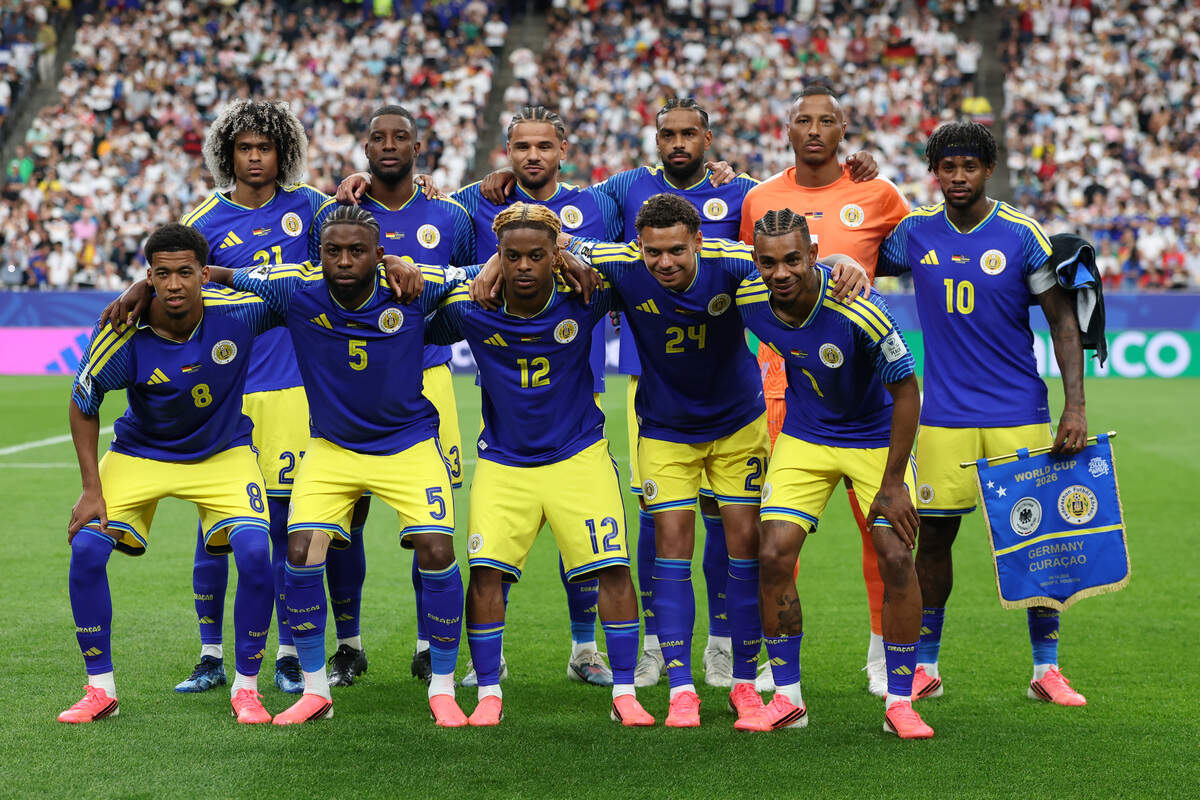
Curaçao qualified for the World Cup out of the CONCACAF region after a dramatic win against Jamaica. The Blue Wave, ranked No. 82 in FIFA’s world rankings, is in one of the toughest groups with 10th-ranked Germany, No. 23 Ecuador, and No. 34 Ivory Coast.
“It’s probably the hardest group you can draw,” Locadia said. “Germany is very strong. Côte d’Ivoire have wonderful players. Ecuador, the same thing. They have a player who got sold for 100 million [Moises Caicedo]. All the countries we face have top players. I told Eloy every game starts with 0-0. We’re the underdogs already, so you might as well step on the pitch, give it your all and walk away with your head up high instead of being scared of failing or making mistakes.”
Locadia spoke about the pride he feels representing Curacao at the World Cup.
“It’s something we dream of as kids,” he said. “We watched the World Cup, of course, and now you’re able to step on the pitch, which is insane to think about. It’s a dream if you grow up playing soccer. That’s the end goal of a soccer player. The World Cup is a major achievement. For countries like the Netherlands, Argentina, Brazil, they qualify for every World Cup, but for us this is a major thing, and I think we all feel honored and very grateful for it.”
Asked what he would be thinking about during the national anthem, he replied: “My grandma. She passed away a long time ago, but she was the number one supporter for me in my career when I was young. Hopefully she will be proud.”
This story was originally published June 17, 2026 at 4:31 PM.