
A behind-the-scenes tour of FIFA’s World Cup operations hub in Coral Gables
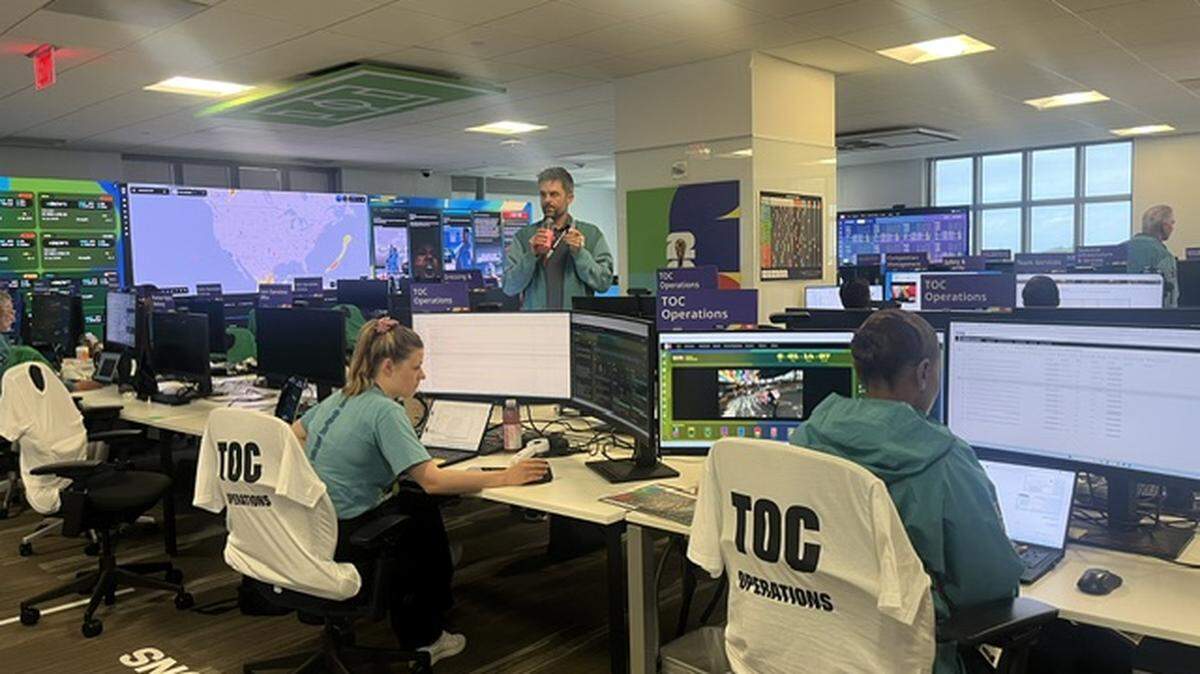
Far away from the spotlight, in a Coral Gables office building, is the nerve center for the 2026 World Cup, which kicks off June 11 in Mexico City and runs through July 19.
It is from those offices that hundreds of FIFA executives and staff members are working around the clock (literally) as the 48 teams, their fans, media, and officials make their way to the United States, Mexico and Canada for the quadrennial tournament being held in 16 host cities.
They are coordinating with over 5,000 FIFA staff members and 300,000 freelancers and volunteers on the ground across the three countries, keeping track of each team’s arrival, transportation, training sessions, and lodging.
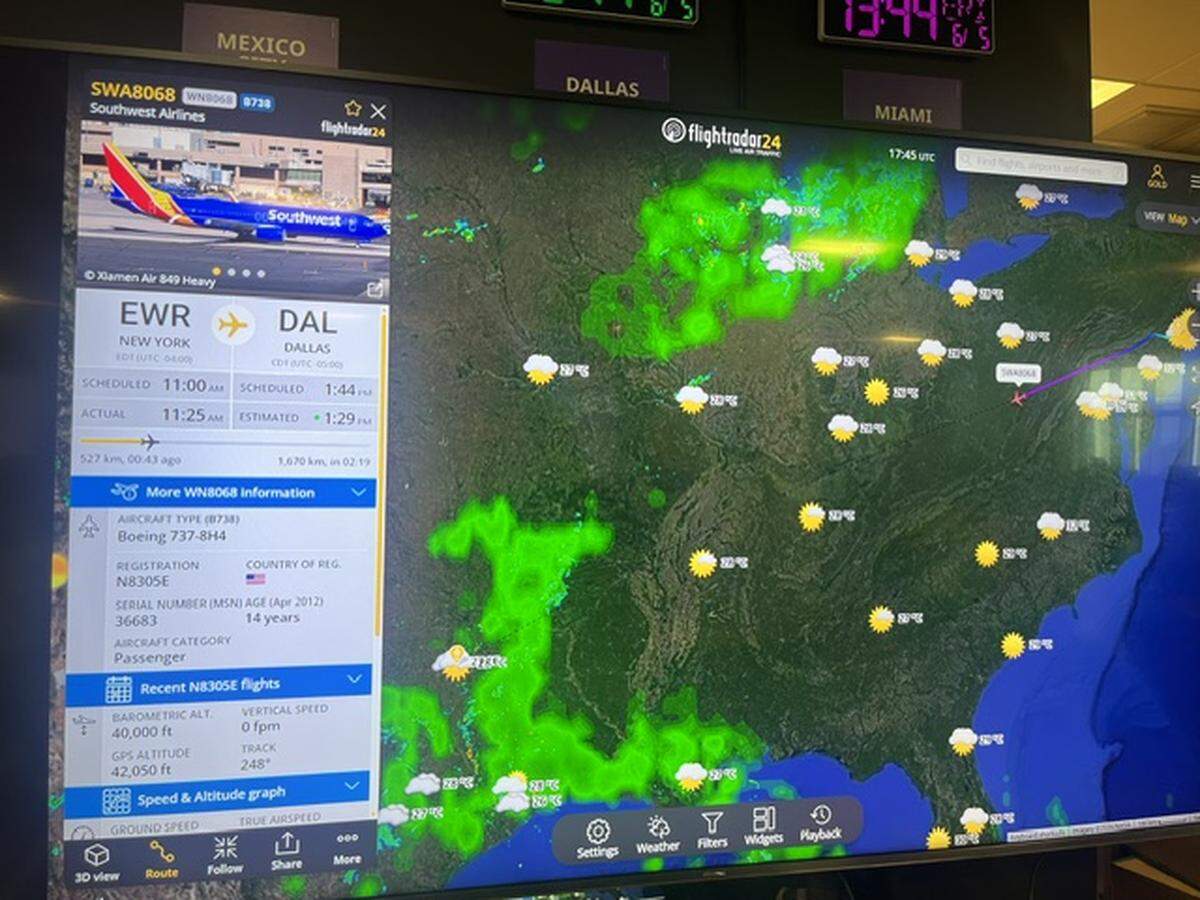
They monitor every move with an up-to-the-second schedule, state-of-the-art flight trackers, weather maps and meteorologists. Staying in contact with representatives from the stadiums, fields, fanfests, and ticket operations is on their long to-do list.
They also are in collaborating with federal authorities, state authorities, local authorities, police forces, first responders, cyber security experts, and business leaders, and scour social media from all 48 participating countries to prepare for any situations that may arise.
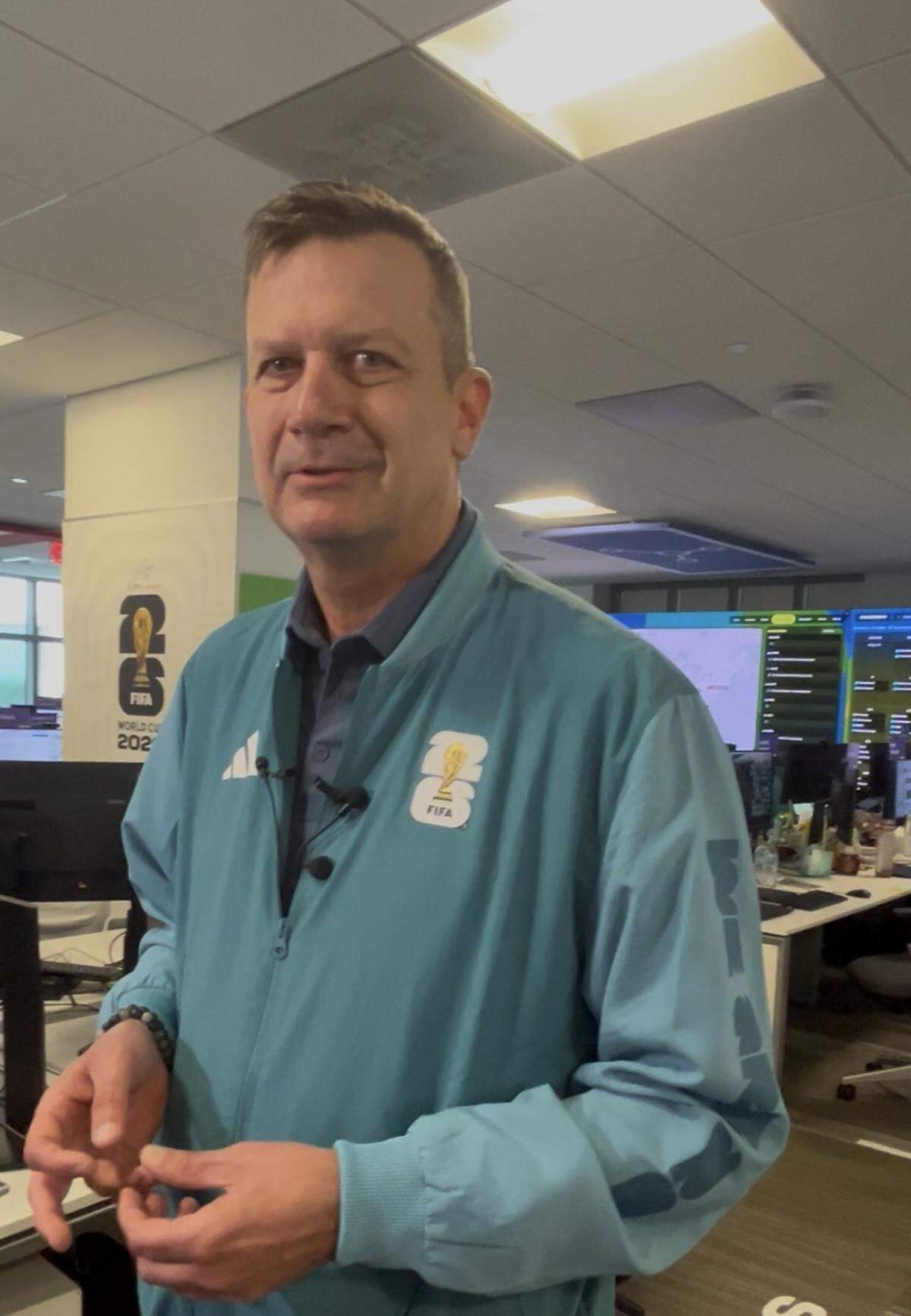
At the center of it all is Heimo Schirgi, FIFA’s chief event operations officer, who led a behind-the-scenes tour on Friday for a select group of local media, along with chief tournament officer Manolo Zubiria and executive director of operations Claudio Caila Mueller.
“Here in the heart of Miami is the real center of the tournament; this is where all of the information from all of the over 500 official sites that we have throughout the three countries comes together, and where we can do some centralized and informed decision making,” Schirgi said.
“It’s really important in a tournament of this magnitude to have all the information and everyone together in one center.”
A thunderstorm or team flight delay sets in motion a domino effect of actions from the FIFA organizers.
“If a team charter is delayed, we have to inform the ground transport company, the police escort, the hotel, so everything is connected and that is why we need a center here where people can make those decisions,” Schirgi said.
“Obviously, with less than a week to go, we have all hands-on-deck, solving little issues and fine-tuning our operations, but we’re really excited to get started and for the first ball to be kicked next Thursday in Mexico City.”
The most pressing issues in the final days are the final preparations at the stadiums, including Hard Rock Stadium, which will host seven matches and is being referred to as “Miami Stadium” during the tournament due to FIFA’s sponsor restrictions (Hard Rock is not a World Cup sponsor, so all its logos and signage must be covered).
“The pictures are all over social media as we are putting up the dressing and signage, decorating everything, fine-tuning the pitches,” Schirgi said. “All the stadia, especially here in the U.S. have received new pitches installed on top of the artificial turfs, so we are tending the grass, painting the lines, putting the goals up.”
As an example of a tiny detail most fans would never think of, if a goal breaks during a match, they have replacement goals in place. FIFA did a competition between all the 16 venues to see who could replace a goal the fastest.
“All these things need to be rehearsed, trained and practiced, so that in case something happens, we are prepared, we have the plans in place and people know what to do and are not left scrambling,” Schirgi said.
Asked whether Miami is ready, Schirgi smiled and replied: “Miami is very ready. Miami is a big football/soccer town, with Messi coming here and all the hype, the intercultural aspect of the city. The whole world is already here and we’re super excited. Some of the biggest matches we have in terms of demand [Portugal vs. Colombia, Brazil vs Scotland, among them] are right here in Miami.”
He also clarified the updated rules on bringing water bottles to stadiums.
FIFA has reversed course on its decision to ban fans from bringing refillable water bottles into the 16 stadiums after backlash from fan groups and politicians.
Schirgi said, and FIFA announced, a new policy Friday saying “all fans will be permitted to bring in one, soft, plastic, 20 ounces (590ml), factory sealed disposable water bottle into any World Cup 2026 match in the USA and Canada.” However, the statement added that “fans will not be permitted to bring in hard sided, reusable water bottles due to safety and security reasons.”