
Keep Miami-Dade’s urban development boundary intact | Opinion
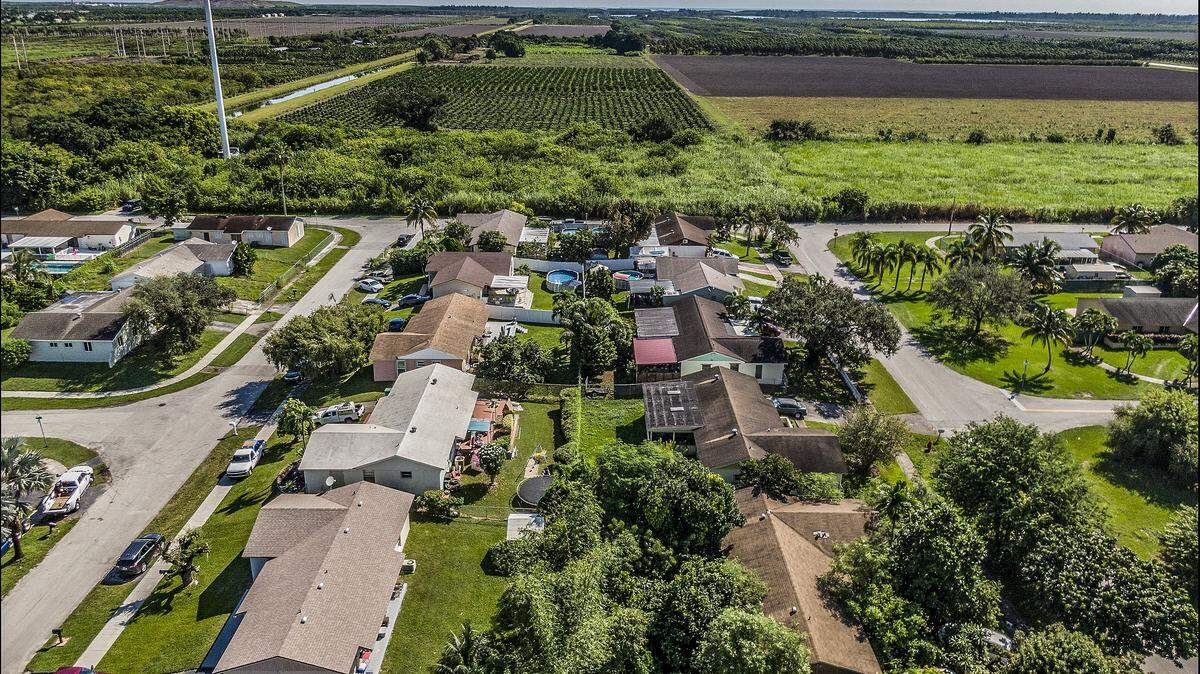
Miami-Dade County’s Urban Development Boundary (UDB) is more than a planning tool, it is a promise to protect our drinking water, reduce flooding risk, preserve farmland and safeguard the Everglades that define South Florida.
That is why we stand united in opposition to House Bill 399 and any attempt to lower the threshold required to expand the line. The legislation would reduce the vote threshold to move the UDB from a super majority of the 13-member County Commission, regardless of which commissioners are present for a vote, to a simple majority, which could be as few as four votes.
The UDB is a 78-mile-long legal divide the county created to separate urban development from rural and environmental land. For decades, it has directed growth inward, where roads, water, sewer and transit infrastructure already exist, rather than pushing development into environmentally sensitive lands and flood-prone areas. It protects the wellfields that supply our underground drinking water. It supports our agricultural economy and protects the wetlands of the Greater Everglades that still remain outside of Everglades National Park. And it shields taxpayers from the enormous cost of extending infrastructure far beyond the urban core.
This is not simply a land-use debate.
When development expands outside the UDB, we increase impervious surfaces, reduce surface water storage and intensify stormwater runoff. There’s simply nowhere for the water to go during flood events. Sprawl increases the strain on aging infrastructure and places homes and businesses in areas vulnerable to sea-level rise. Extending roads, utilities, schools and emergency services into previously rural lands comes at significant cost to taxpayers — including in rising insurance costs.
Holding the line on the UDB does not mean opposing growth. Miami-Dade is growing and will continue to grow. The question is how.
Smart growth means investing in development near transit corridors, revitalizing underutilized parcels, supporting workforce housing near jobs and building resilient infrastructure within the existing urban footprint. It means strengthening neighborhoods rather than leapfrogging into farmland and wetlands. It means planning for long-term sustainability rather than short-term expansion.
Economic vitality and environmental stewardship are not competing goals. South Florida’s natural resources — our clean water, open spaces, agricultural lands and proximity to the Everglades — are central to our quality of life and economic success. Protecting them is not anti-growth; it is pro-future.
The Urban Development Boundary has been a bipartisan success story for decades. Weakening it through state preemption sets a dangerous precedent and risks unraveling thoughtful local planning. Once farmland is paved over, it cannot be restored. Once wetlands are filled, floodwaters have nowhere to go except to adjacent properties. Once development outpaces infrastructure capacity, taxpayers bear the economic burden.
For the sake of our drinking water, our communities and the generations who will call this region home, we must hold the line.
Florida Sen. Alexis Calatayud, a Republican, represents Senate District 38, covering parts of Miami-Dade. Rachel Silverstein is the Miami Waterkeeper.
This story was originally published March 3, 2026 at 5:37 PM.