
On Miami-Dade’s over-development issues, Tallahassee says: We know best | Opinion
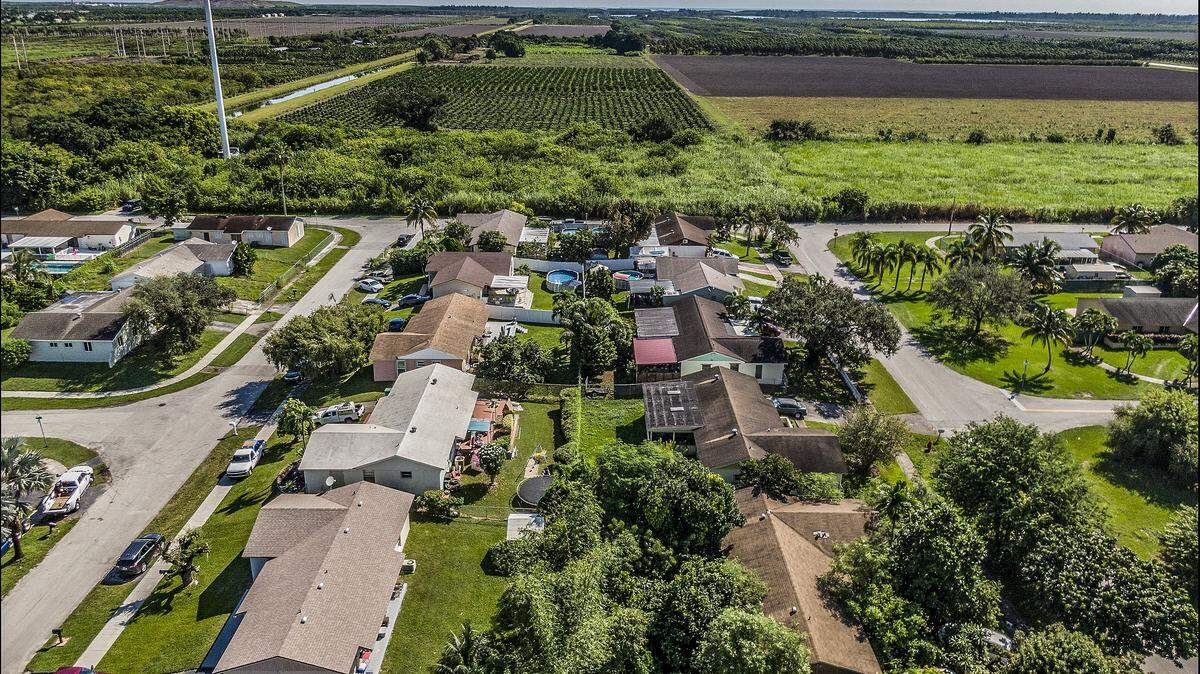
Why do we have local governments? Historically, the point has been to have officials, locally elected, make decisions with input from local citizens. But lawmakers in Tallahassee have increasingly acted as if they know what’s best for communities in South Florida and, in the process, they are diminishing public participation.
The latest example of that is House Bill 399, which has been advancing in this year’s legislative session, clearing another House committee on Tuesday. The bill gets to the core of one key way Miami-Dade has managed urban sprawl since 1983: through its Urban Development Boundary. The UDB protects rural lands and the Everglades by limiting construction outside the 78-mile-long legal line. Moving the boundary requires several steps, including a super majority vote by the county commission and, crucially, public hearings.
The bill, filed by state Rep. David Borrero, a Republican from Doral, would require the state to “conduct a study to identify the effect of removing” the UDB or similar boundaries in other counties. The study, which would be due in December, would consider whether “local counties can still protect the environment and water quality without having a UDB.”
Notice that the bill calls for an analysis of getting rid of the line — and not on whether the UDB is working. That’s a hint of what could come next: a state law that bans counties from establishing their own urban boundaries.
HB 399 also lowers the threshold for the approval of land-use changes outside the UDB, which would require a simple majority vote instead of two-thirds of the 13-member Miami-Dade County Commission.
On Tuesday, the bill was amended, and it may force Miami Beach to allow water slides in the Fontainebleau hotel’s pool deck area, a project residents have opposed. Borrero told the Herald he “worked with a lobbyist that represents” the Fontainebleau on the amendment.
The legislation would also require local governments to allow manufactured homes in single-family neighborhoods, an idea that seems geared toward affordability but is certain to rile up residential communities across South Florida. Architectural, height and aesthetic requirements would still be valid as long as they apply to all single-family homes in the same area.
Borrero has tied his proposed study of the UDB to the state’s housing crisis. He told the Herald last month: “The reason why we have such a crisis with housing and the cost of land and the cost of rent and the cost of homes is because there is a huge shortage of inventory for housing.”
There’s been a long debate in Miami-Dade about expanding the UDB to allow the construction of more businesses and homes in southwestern areas. Mayor Daniella Levine Cava’s opposition to big commercial projects that cross the UDB line has created a stir, so it’s not a surprise the Legislature is now getting involved. Most recently, she vetoed a commercial complex planned on wetlands off of State Road 836, mostly outside the UDB.
Borrero isn’t wrong about the need to increase housing supply. There’s a long history of local zoning laws excluding affordable housing options in favor of single-family communities. But the bigger issue is where state leaders will draw the line on interfering with how cities and counties govern themselves.
Local preemptions have become a recurring theme every legislative session. Lawmakers this year have gone as far as trying to stop local governments from banning the use of gas-powered leaf blowers and lawnmowers, something cities such as Miami Beach have done in favor of battery-powered equipment.
If the state puts its thumb on the scale every time a city or county makes a controversial decision about development, growth management will be eroded to the point that quality of life is hurt. In fact, that’s been happening for over a decade with the watering down of the state’s once-robust growth management laws and agencies, such as the now-extinct Department of Community Affairs.
Miami-Dade has learned that pushing development further into the Everglades has created traffic, long commutes and infrastructure problems. Without the UDB, where will sprawl actually stop? The answer to this question should come from county hall and residents, not the state Capitol.
BEHIND THE STORY
MOREWho decides the political endorsements?
In advance of local and state elections, Miami Herald Editorial Board members interview political candidates, as well as advocates and opponents of ballot measures. The Editorial Board is composed of experienced opinion journalists and is independent of the Herald’s newsroom. Members of the Miami Herald Editorial Board are: Amy Driscoll, editorial page editor; and editorial writers Isadora Rangel and Mary Anna Mancuso. Read more by clicking the arrow in the upper right.
What does the endorsement process look like?
The Miami Herald Editorial Board interviews political candidates to better understand their views on public policy and how their policies will affect their constituents. Board members do additional reporting and research to learn as much as possible about the candidates before making an endorsement. The Editorial Board then convenes to discuss the candidates in each race. Board members seek to reach a consensus on the endorsements, but not every decision is unanimous. Candidates who decline to be interviewed will not receive an endorsement.
Is the Editorial Board partisan?
No. In making endorsements, members of the Editorial Board consider which candidates are better prepared to represent their constituents — not whether they agree with our editorial stances or belong to a particular political party. We evaluate candidates’ relevant experience, readiness for office, depth of knowledge of key issues and understanding of public policy. We’re seeking candidates who are thoughtful and who offer more than just party-line talking points.