
Florida braces for another season of college fraternity hazing. It must stop | Opinion
It’s inconceivable: You send your child off to college in the fall, only for them to never return home for Thanksgiving — another victim of a fraternity hazing tragedy. For too many parents, this nightmare is a reality.
As we enter another fraternity pledging season, preventing senseless hazing deaths will require heightened vigilance, and all of us in Miami can play a role.
Florida, like most states, makes hazing that causes death or injury a crime. Colleges and universities have policies prohibiting it, and every major fraternity has rules against it.
This month, National Hazing Prevention Week reminds all of us of the dangers. Despite these efforts, hazing persists — and I find myself writing another opinion piece for the Miami Herald on this topic, in what is becoming an annual plea.
Hazing is broadly defined as any act endangering a student’s physical or mental safety for the purpose of initiation into a group. It can involve beating, exposure to the elements, coercing someone to break the law or forcing alcohol and drug use. In many states, hazing is a felony and offenders can go to jail.
Since 2000, more than 100 students nationwide have died or been seriously injured in hazing incidents. College life, especially inside fraternity houses, creates the perfect storm: students away from home for the first time, little adult supervision, deep-rooted traditions to uphold and plenty of alcohol. Even the most responsible young men and women can find themselves pressured into doing things they would never consider at home.
Hazing may never be eliminated, but it can be curtailed. Encouragingly, more states are adopting laws modeled after “Andrew’s Law,” which I co-authored in Florida. Named for Andrew Coffey, who died in 2017 after being hazed at Florida State University, it offers immunity to the first person to call 911 when a hazing victim needs help. States like Missouri, Arizona, New Jersey, Pennsylvania, Texas and Virginia have already followed suit and other states are considering it.
The damage from hazing extends beyond the victims and also impacts the lives of those who participated when tragedy struck. Twenty years ago, I tried the case of Chad Meredith’s hazing death at the University of Miami. Recently, a prospective employer called me about hiring one of the fraternity officers I sued in that case. Decades later, a single alcohol-fueled night still shadows his career.
So, what can we do?
First, timing matters. On many campuses, pledging begins in the fall; on others, not until January. Knowing these windows enables campus security to intervene early. Each weekend during pledging season, campus security should make unannounced, highly visible visits to fraternity houses.
- There will be zero tolerance, with immediate arrests when hazing occurs. The goal is not just punishment, but prevention.
- Universities must also act decisively. When hazing is uncovered, everyone involved should be expelled — no suspensions, no excuses, no second chances. Anything less weakens deterrence and signals that hazing is negotiable when it cannot be.
- National fraternities must also enforce their own anti-hazing policies. Too often, rules exist on paper but are not enforced. Alumni advisors, who act as liaisons between national headquarters and local chapters, are uniquely positioned to break the cycle of hazing.
Hazing is a preventable crisis. To stop it, we need to demand greater vigilance from universities, stronger oversight from fraternities, accountability from advisors and courage students to speak out.
Parents and communities must keep raising their voices until meaningful change is made. Laws are changing, awareness is growing, and the time to act is now. Waiting until the next tragedy makes headlines is waiting too long.
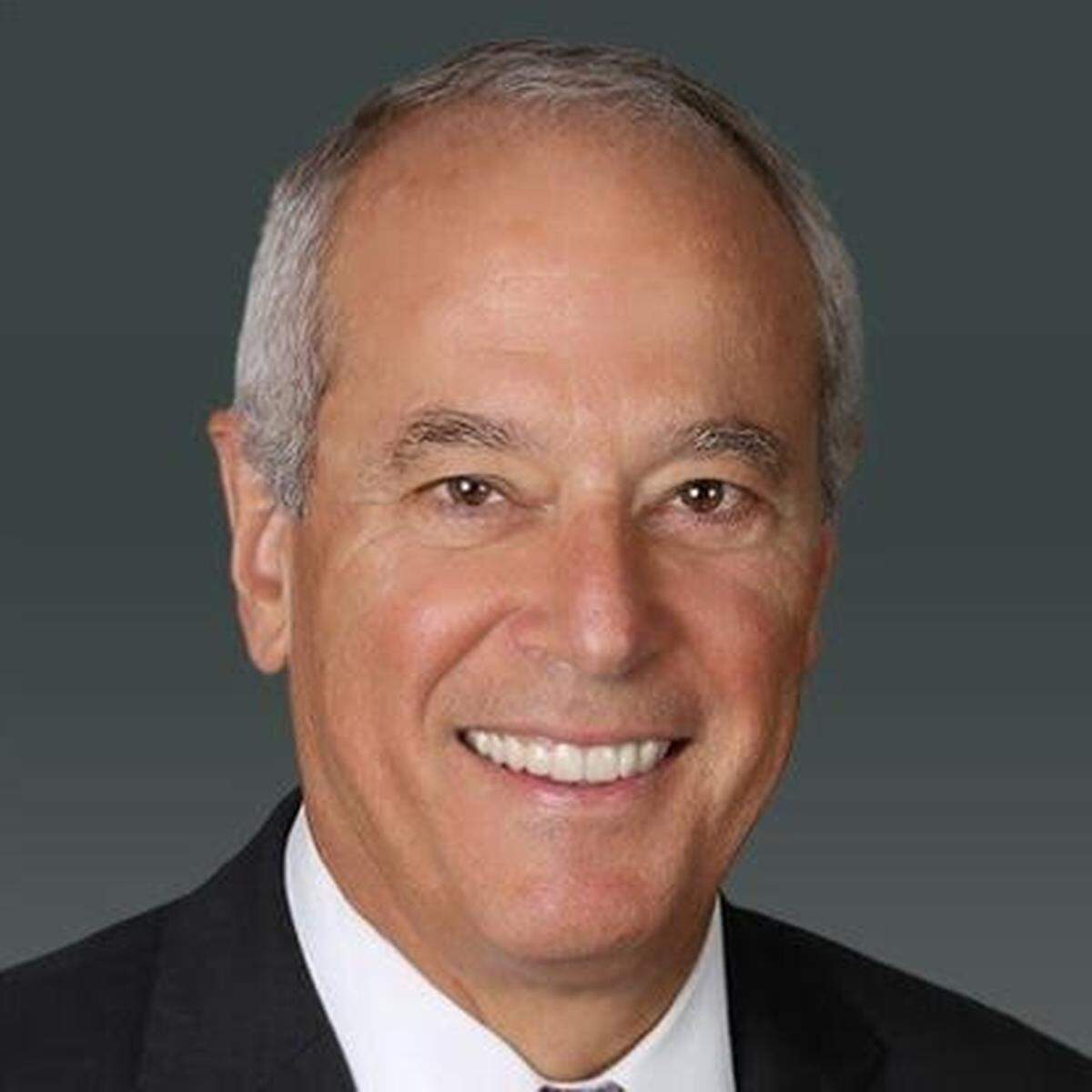
David W. Bianchi, a founding partner of Stewart Tilghman Fox Bianchi & Cain, P.A. in Miami, is a veteran trial lawyer. He is an expert on fraternity hazing.
This story was originally published September 4, 2025 at 12:03 PM.