
Hazing is a big problem, particularly on Florida campuses. How a new law will help | Opinion

The new national “Stop Campus Hazing” law, the first federal legislation to address the ongoing problem of hazing at our colleges, universities and schools, is a long-awaited victory for the many hazing victims and families who have worked for years to get it passed.
The national hazing problem is of particular concern here in Florida, a state with a history of hazing incidents at its 12 public universities and several large private universities and a state with thousands of students involved in fraternities and sororities every year.
Chad Meredith died in a hazing incident at the University of Miami in 2001; Robert Champion died in a hazing incident at Florida A&M University in 2011; Andrew Coffey died in a hazing incident at Florida State University in 2017 and Nicolas Mauricio sustained a life-changing brain injury in a hazing incident at FSU in 2018. Many other hazing incidents never made the news.
Since 2000, over 100 U.S. college students have died in fraternity-related hazing incidents and many others have been seriously injured and traumatized for life because of the perpetuation of senseless hazing traditions.
Anything that can be done to curtail the number of hazing incidents that occur each year is a good thing, and this new legislation will most certainly help do that.
The new law mandates that every college and university receiving federal funds must include in their annual Campus Hazing Transparency Report a statement identifying each hazing incident involving a student at the school for which a formal finding of guilt, responsibility or culpability was issued and the report must identify each organization where the hazing incidents occurred.
In addition, the report must also set forth the programs the institutions have developed to prevent hazing, and these reports must be easily accessible on the school’s website for all to see.
After 25 years of representing hazing victims and their families throughout the country, it is clear to me that in addition to implementing this new law, we must do a better job of enforcing existing anti-hazing criminal laws that are already on the books, and colleges and universities must get much tougher in dealing with the problem.
There have been far too many serious hazing incidents resulting in death or life-changing injuries where prosecutors have refused to file criminal charges. That sends all the wrong messages to those thinking about perpetuating dangerous hazing traditions.
In addition, our colleges and universities take too long to deal with the problem and rarely expel all those who participated in the hazing event. This, too, must change.
Gathering the data about hazing incidents on campus and then letting the students and their parents know about it is helpful, but those who have need to fear the consequences, or they will never stop doing it.
To date, the fear factor is just not there. Enforcement of the criminal laws and university anti-hazing policies has been sporadic at best.
As we look ahead at 2025, now is a great time to seize the positive momentum created by the Stop Campus Hazing Act and collaborate even more closely on other important steps that need to be taken to stop campus hazing once and for all.
It is time for everyone to come together and say, “enough is enough,” and get much tougher with the imposition of criminal and civil consequences so that the bad actors really feel it.
The colleges and universities must do their part as well by swiftly expelling those involved with no second chances. Until we get much tougher with the imposition of penalties, campus hazing will continue regardless of how transparent we are with the data.
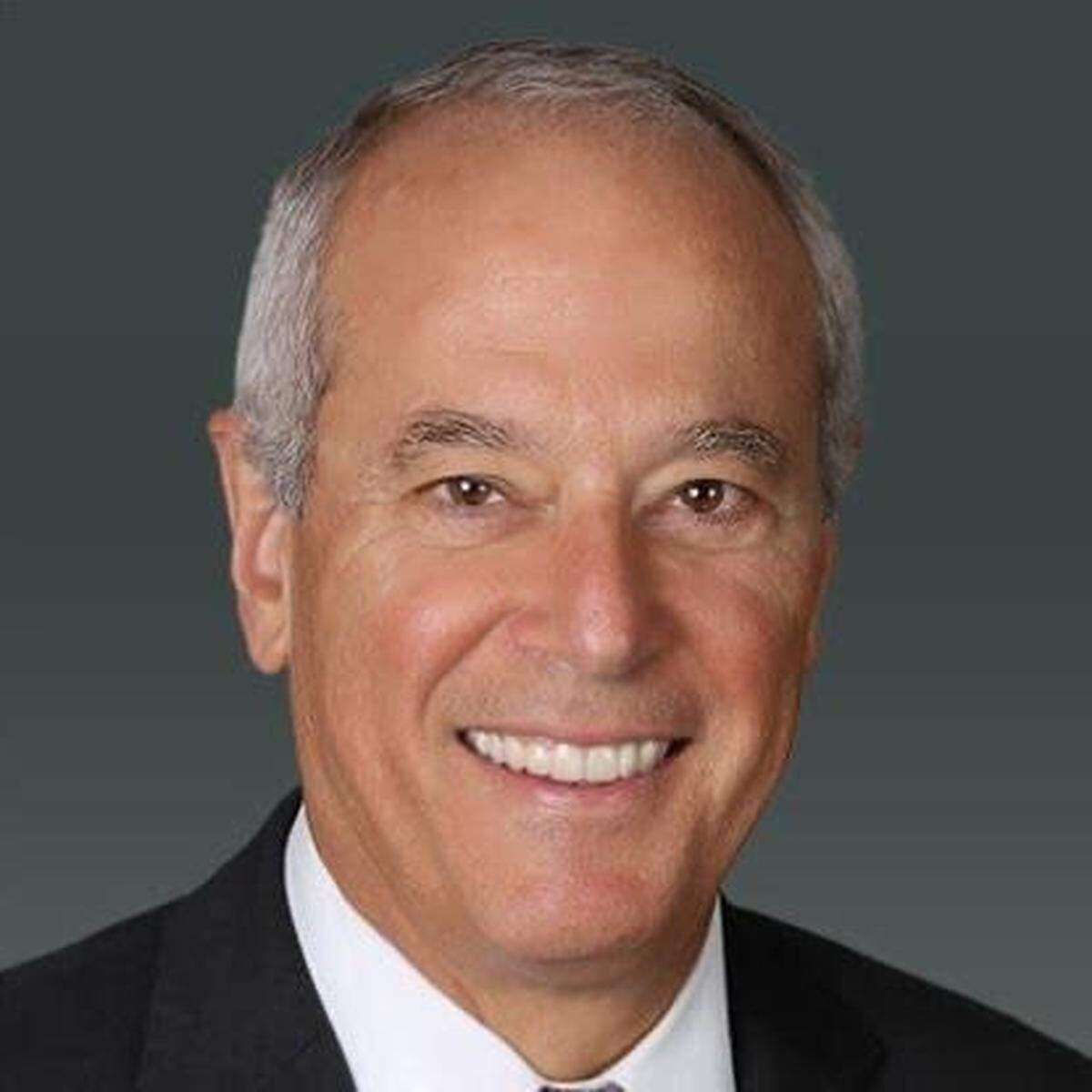
David W. Bianchi is the co-founder of Miami-based Stewart Tilghman Fox Bianchi & Cain P.A., and is a trial lawyer who has been recognized as the country’s leading fraternity hazing lawyer. He’s at dbianchi@stfblaw.com
This story was originally published January 15, 2025 at 11:08 AM.