FWC chair: Miami Herald misrepresented 2022 boating tragedy investigation | Opinion
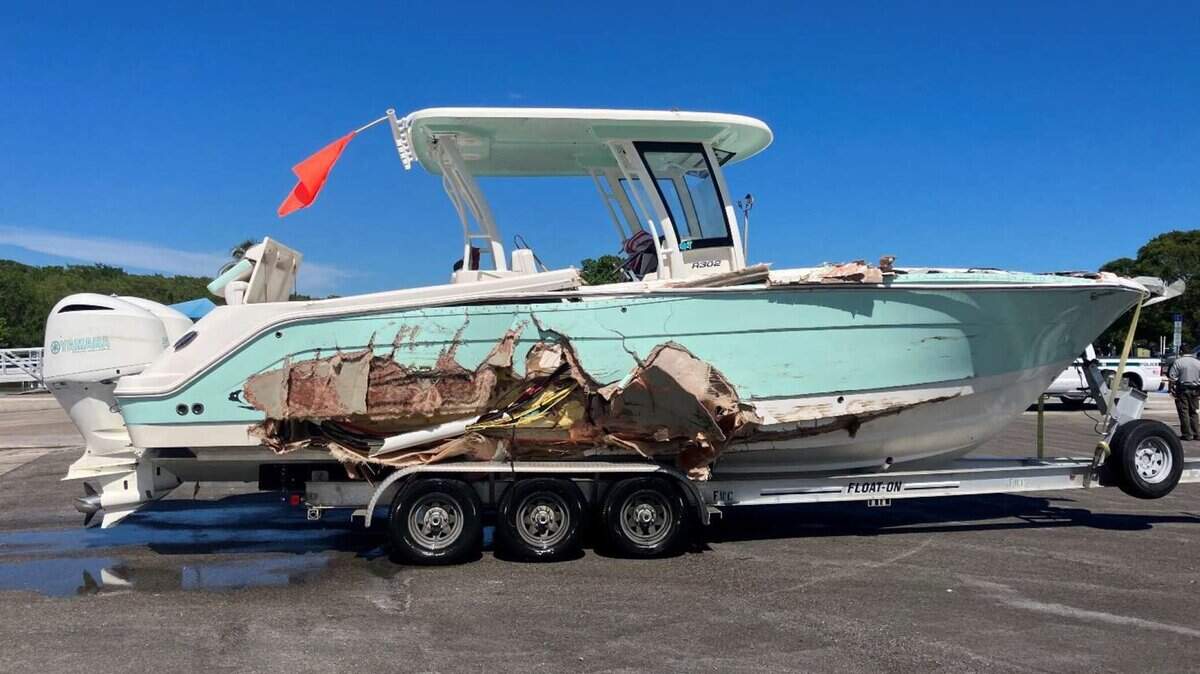
In recent months, media coverage, most notably from the Miami Herald, has cast doubt on the Florida Fish and Wildlife Conservation Commission’s (FWC) investigation into the tragic boating accident that occurred at Cutter Bank in Biscayne Bay on Labor Day weekend in September 2022.
This devastating accident resulted in the heartbreaking loss of a young life. Our deepest sympathies remain with the victims and their families.
Regrettably, I believe much of the Herald’s reporting has been one-sided, misrepresenting the diligent and comprehensive efforts undertaken by FWC officers. The FWC is firmly committed to conducting thorough, impartial investigations of all boating accidents within its jurisdiction. This case was no exception.
The investigation was led by seasoned professionals who followed all protocols. Investigators collected physical evidence, analyzed GPS data, interviewed witnesses and consulted experts. These findings were reviewed in coordination with the Miami-Dade State Attorney’s Office. Allegations that key evidence was ignored or mishandled are not supported by facts.
Contrary to the Herald’s portrayal, the investigation was transparent and rooted in forensic analysis and eyewitness accounts. I feel that the Herald downplayed or buried critical context, favoring narratives that mislead the public and undermined the professionalism of our officers.
All individuals with potentially relevant information were ultimately spoken to. Many declined to speak with investigators the night of the accident, and others either did not come forward or offered information unrelated to the core findings.
The vessel’s operator, George Pino, was interviewed on-site by a certified drug recognition expert who observed no signs of impairment. None of the officers on scene reported any indicators of intoxication; however, in the deposition of an FWC officer taken more than two years later, he said Pino had bloodshot eyes and smelled of alcohol. Let me note that the officer had failed to mention this to the onsite investigator or include it in his initial report.
Despite no signs of impairment, the lead investigator requested a voluntary blood draw, which Pino declined. As clarified in the U.S. Supreme Court case Missouri v. McNeely (2013), officers cannot compel blood or breath tests without probable cause. The Herald’s misinterpretation of training materials to suggest otherwise is legally incorrect and purposefully misleading.
Even the Herald’s own cited legal experts support FWC’s approach. Tampa-area attorney Leslie Sammis stated that officers would have needed reasonable suspicion of impairment to request field sobriety exercises — and probable cause to obtain a warrant for a non-consensual blood draw. Miami attorney Michael Mirer echoed that sentiment.
FWC’s final report concluded that the accident was caused by Pino’s failure to maintain control and operate his boat safely. This determination was based on GPS data that contradicted his claims about evasive maneuvers.
The presence of alcohol containers, which were only discovered after the submerged vessel was recovered, does not alone constitute probable cause. Nor does Pino’s admission to consuming two beers earlier in the day. The determination of impairment requires multiple indicators — none of which we feel were present.
I believe the Herald has also wrongly suggested that the absence of body camera footage from four officers indicates misconduct.
In reality, under FWC’s prior policy, supporting officers categorized their videos as “incidental,” which triggered automatic deletion after a set retention period. No officer deleted footage. While we acknowledge the policy was not aligned with our intent, we are actively revising it to ensure proper retention and supervisory review in the future.
The Herald further attempted to link this incident to a recent reconfirmation hearing where I was reappointed to the FWC Commission. Despite not a single Florida senator raising any concerns about the investigation, the Herald misleadingly implied a connection.
Any suggestion that I influenced the investigation-based on my professional relationship with Miami-Dade State Attorney Katherine Fernandez Rundle is baseless.
From the outset, the Herald’s coverage has relied on speculation, mischaracterization and selective omission of facts. This undermines public trust and disrespects the seriousness of this tragedy.
FWC officers have remained focused on uncovering the truth and ensuring that justice is served for the victims and their families. I stand by the integrity of our investigation and welcome scrutiny rooted in facts — not sensationalism.
I’m committed to transparency and will continue to work with the affected families.
Justice belongs in a courtroom — not in headlines.
Rodney Barreto is the chair of the Florida Fish and Wildlife Conservation Commission.