
Stop the dysfunction. These two election reforms will help Miami | Opinion
Miami has always been a city of bold ideas and forward thinking, but unfortunately, our political structure remains outdated.
On Thursday, June 12, the city commission will consider two groundbreaking reforms that could move Miami in a better direction by reshaping our local government.
These proposals — lifetime term limits for elected officials and moving municipal elections to 2026 to coincide with state and national elections — are common-sense reforms that will make Miami’s government more innovative, responsive and fiscally responsible for its 456,000 residents.
Term limits
Our current system allows officials to serve two consecutive four-year terms, sit out for one term and then run again — indefinitely. This dysfunctional set up has allowed entrenched politicians to monopolize power for decades. It’s time to break that cycle.
If we enact term limits for commissioners and the mayor, we’ll open the door to fresh ideas and new leadership — bringing more innovation to a modern, vibrant Miami. But to make this happen, residents must raise their voices and demand change.
If approved by the commission on Thursday, term limits would appear on the November ballot. If voters pass the reform, it would take immediate effect and apply retroactively.
The proposal could have a direct impact on the upcoming city election in November, where voters are expected decide on a mayor and at least two city commissioners. The legislation would be “immediately effective and applied to any candidate listed” on the November ballot.
Election cycle
The second reform, which I spearheaded, proposes aligning Miami elections with statewide and national election cycles. This change could increase voter participation from around 10% to nearly 60%, as more people vote during gubernatorial and presidential elections.
It would also save Miami taxpayers more than $1 million per election, funds that could go toward pressing needs like affordable housing, infrastructure and public safety.
Yes, this change means the current mayor and commissioners would serve one additional year without an election. Some have raised concerns about that. If there were a legal way around the extension, I would support it. But the shift is necessary to avoid legal challenges and ensure more inclusive, cost-effective elections. I believe this temporary compromise is well worth the long-term benefits.
From my many conversations with residents, I know these reforms have strong support across our city. Thousands of voters have already submitted petitions to the city clerk, urging the commission to put these changes in place.
These reforms will reshape Miami’s government for decades — but they won’t move forward without your support.
Public meeting
I urge every resident who expects more from their city government to attend the city commission meeting on June 12 at 9 a.m. and speak up.
Now is the time for reform — not more second-guessing, which has too often held Miami back.
Make your voice heard — for yourself, your family and the future of our city.
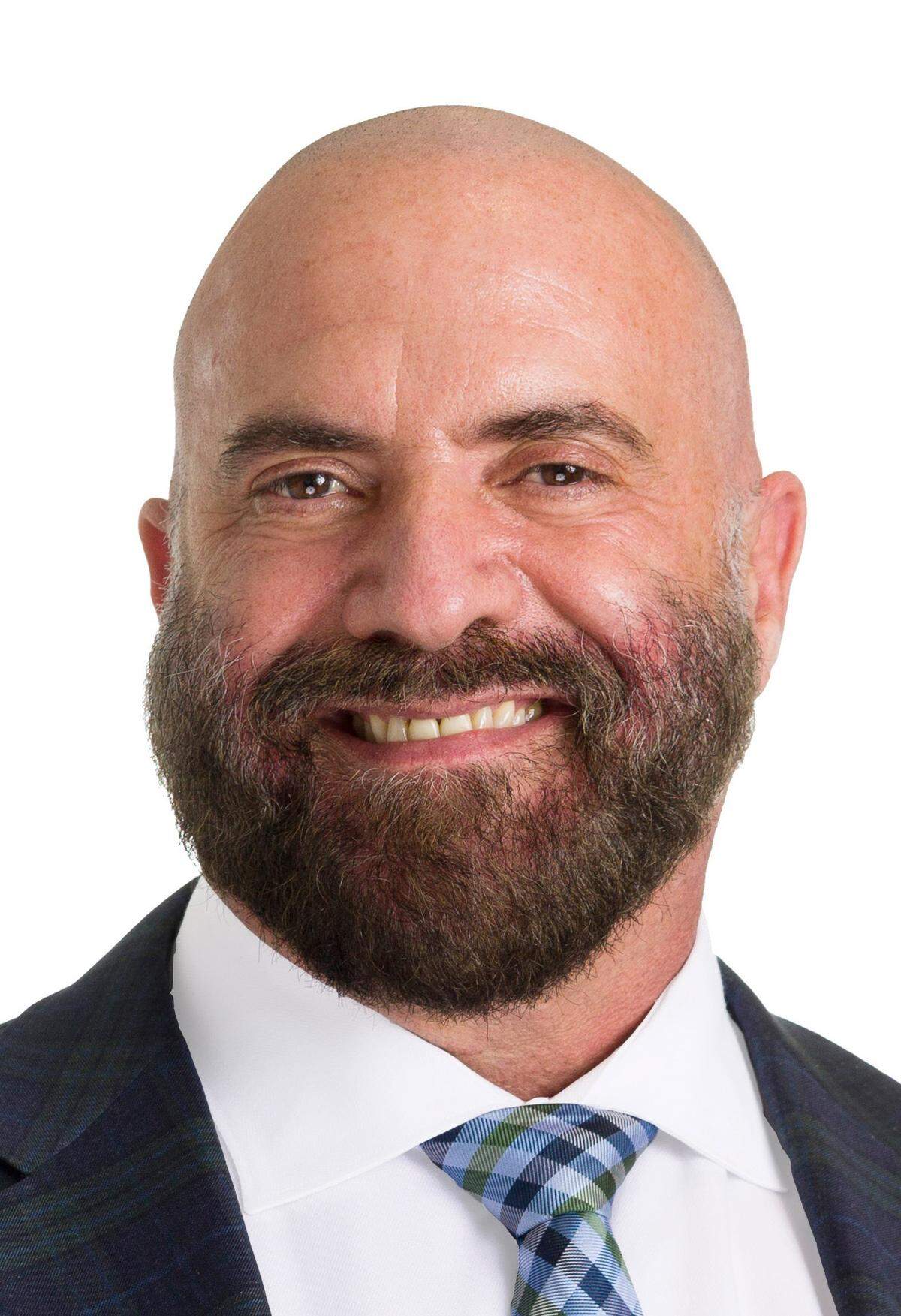
Miami City Commissioner Damian Pardo represents District 2. He was first elected in 2023.
The Miami city commission meets at Miami City Hall, 3500 Pan American Dr., Miami, FL 33133.
This story was originally published June 10, 2025 at 10:40 AM.