
Thanks to workforce housing, I can afford a home in Miami-Dade | Opinion
I’ve lived in Miami-Dade for nearly a decade. Like a lot of people I know, I’ve spent years trying to keep up while everything around me becomes more expensive, especially the cost of housing.
As a behavior therapist for children with a master’s degree in social work, I don’t qualify for any kind of housing assistance, but I’m also not making the kind of money that gives you real options.
Like many people working in Miami-Dade, I fall into what’s known as the ALICE category: Asset Limited, Income Constrained, Employed. In other words, I work hard, but I’m still barely getting by.
My story isn’t new or unique.
Many households in Miami-Dade are in this exact position, struggling to afford basic necessities despite being employed. The county is currently short more than 90,000 units for households earning below 120% of the area median income.
When rent takes up most of your paycheck, you start cutting corners on groceries, on healthcare, even on your own peace of mind.
But, I got lucky and my story took a different turn.
Owning a home always felt out of reach. I had been renting since 2016 and began looking to buy in 2020, but the shortage of inventory, soaring prices and strict financial requirements made it feel impossible, especially with 1099 income. The approval process was daunting and discouraging.
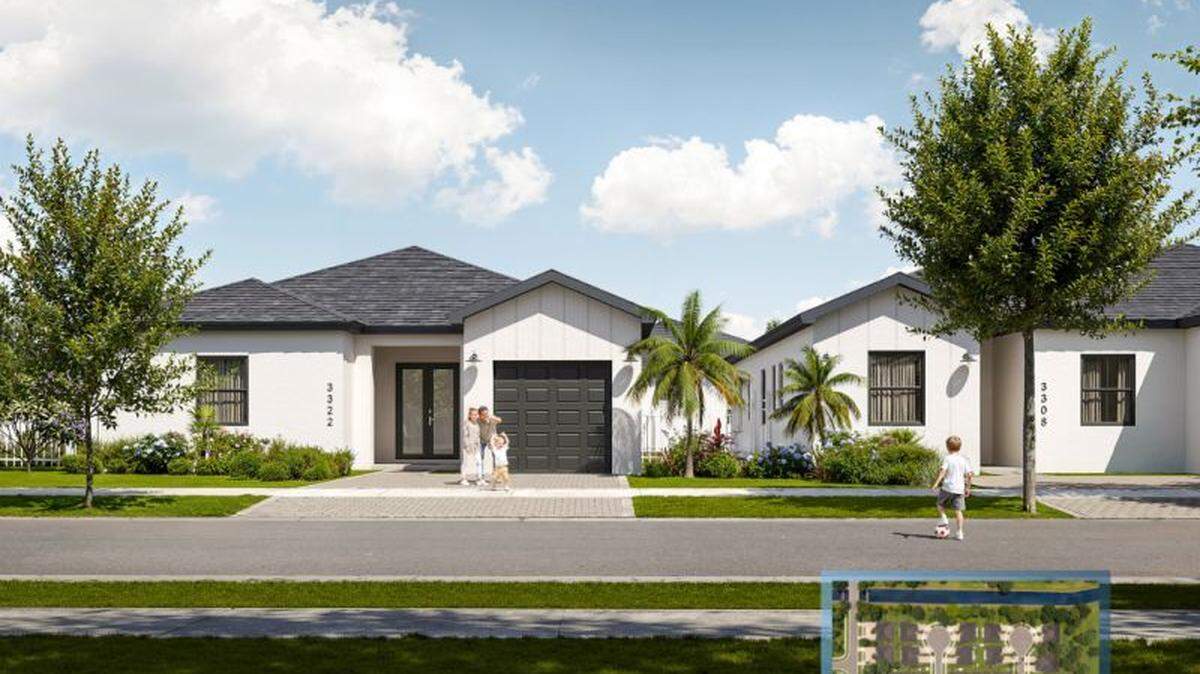
Then one day, my son found a new construction home online that was part of a for-sale workforce housing program. The price was within reach, and the home itself felt like somewhere we could see our future. That discovery set everything in motion. The developer connected us with a county-approved lender who truly listened and guided us through the financing process.
For the first time, homeownership felt real.
Today, my family of four and I live in a new home — with a monthly payment that’s lower than what I was paying in rent. That shift gave me breathing room. I wasn’t just trying to survive anymore. I honestly never thought this would be possible.
Programs that support for-sale workforce housing aren’t just about putting up more buildings. They’re about ensuring people like me, teachers, healthcare workers, service professionals, police officers can afford to live in the communities we serve.
If we want to begin to fix Miami’s housing crisis, we need more investment in attainable housing. That means building more homes, creating stronger incentives for responsible builders, and streamlining the approval process so much needed projects aren’t unnecessarily delayed.
In many parts of the county, proposed developments that could expand access to workforce housing are facing pushback. Understandably, change can be hard. But we also need to recognize what’s at stake and that every day families are being priced out of the very neighborhoods they’ve helped to sustain.
I hope our local leaders remember that when more people can afford to stay rooted in their communities, we all benefit.
We are all responsible for members of our community and to find solutions where we can all thrive.
Daine Bajuelo is a Miami-Dade resident and a behavior therapist for children.
This story was originally published June 4, 2025 at 3:20 PM.