Zero waste is a great goal for Miami-Dade but the plan needs fixing. Here’s how | Guest opinion
Mayor Daniella Levine Cava recently made a bold – and welcome – pledge to make Miami-Dade County a Zero Waste community. It is a move that has been adopted by forward-thinking cities in the United States to cut waste that ends up buried in landfills or burned at incinerators, in favor of environmentally friendlier solutions like composting, recycling, reusing and reducing waste.
Unfortunately, there are glaring problems with the county’s current Zero Waste plan. It includes spending $1 billion to build a new incinerator in Doral, where the current incinerator has been the source of increasing public outcry from the constant garbage odors and the fundamental belief that polluting facilities do not belong in residential areas.
And terms of a recent contract renewal with Covanta, which operates the incinerator, require the county to pay Covanta for waste diverted to Zero Waste programs that would otherwise have gone to the incinerator — enriching the company while charging taxpayers twice to process the same waste.
Miami-Dade County is right to recognize the importance of Zero Waste, but this plan is on the wrong track. We need to step back, get community input on this plan and change course.
A Zero Waste goal — like those adopted in other locales — means reducing waste in the first place, not burning it. In fact, there is no definition of Zero Waste that includes waste incineration. Incineration doesn’t make waste disappear — it just converts toxic materials into ash and into air pollution that poisons communities and the environment. That is why Florida Rising has been working to shut down the current aging incinerator in Doral, an already environmentally overburdened community battling air pollution from the Medley Landfill, the Pennsuco Cement Complex, three major highways and Miami International Airport.
We can do better. Miami-Dade County is already a state leader when it comes to environmental issues like water quality and climate resilience. There is no reason we can’t lead with truly sustainable Zero Waste policies, too.
To start, the county should expand its great programs that are already charting a path to a Zero Waste transition, and take advantage of the millions in funding under the Bipartisan Infrastructure Law for recycling and composting programs. Miami-Dade has a residential composting and recycling program for residents in place, and these programs should be expanded and promoted through public outreach and education. A Zero Waste community task force would be another important step to develop solutions tailored to our county.
A recent study commissioned by the county shows that over half the residential waste could be diverted from landfills and incinerators to recycling and composting. Another key study found that it would be much cheaper for the county to compost or mulch yard waste, compared to sending it to a landfill or the incinerator.
Levine Cava made a giant step in setting the Zero Waste goal for Miami-Dade County, and we’re ready to get to work with her to make it happen.
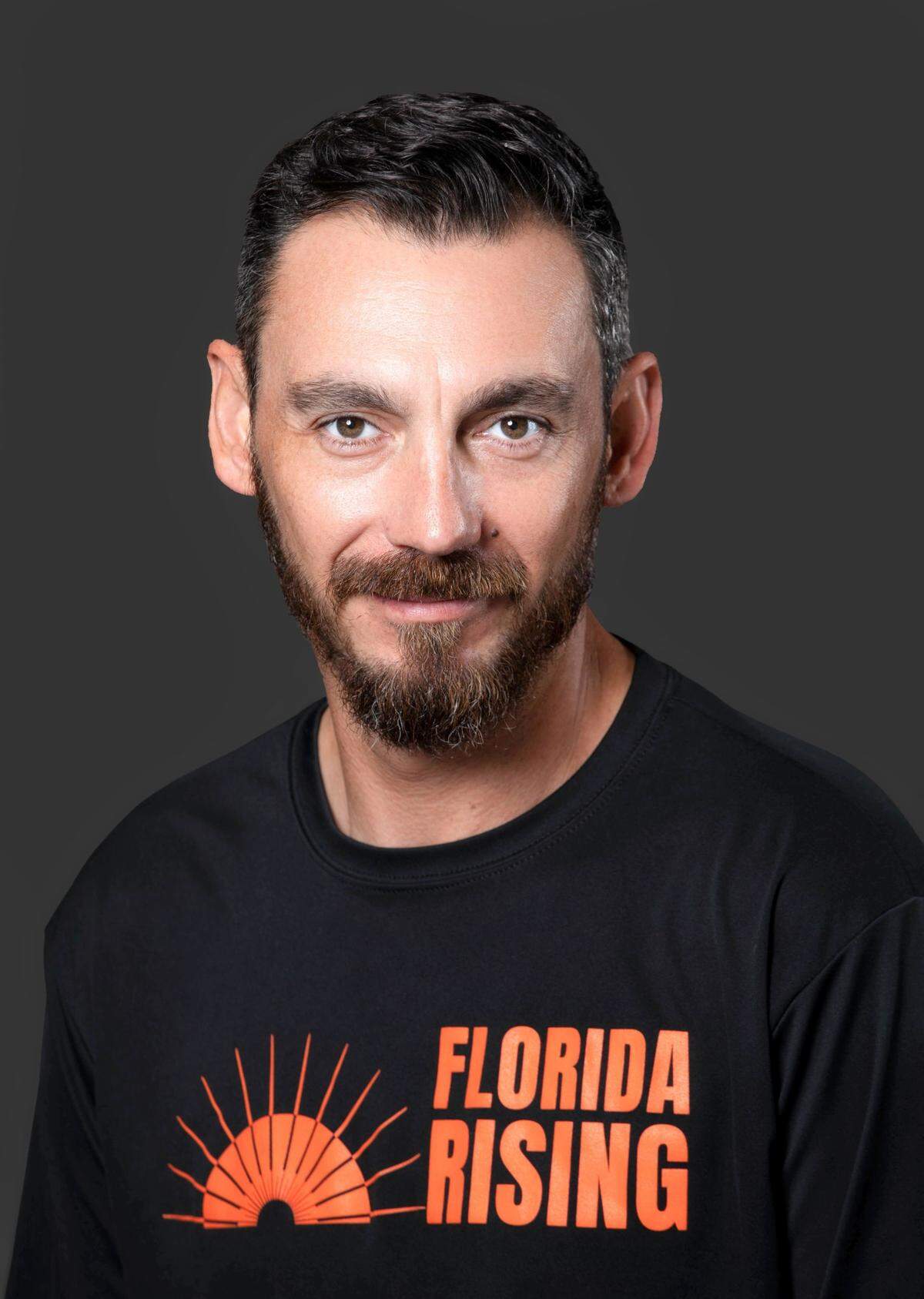
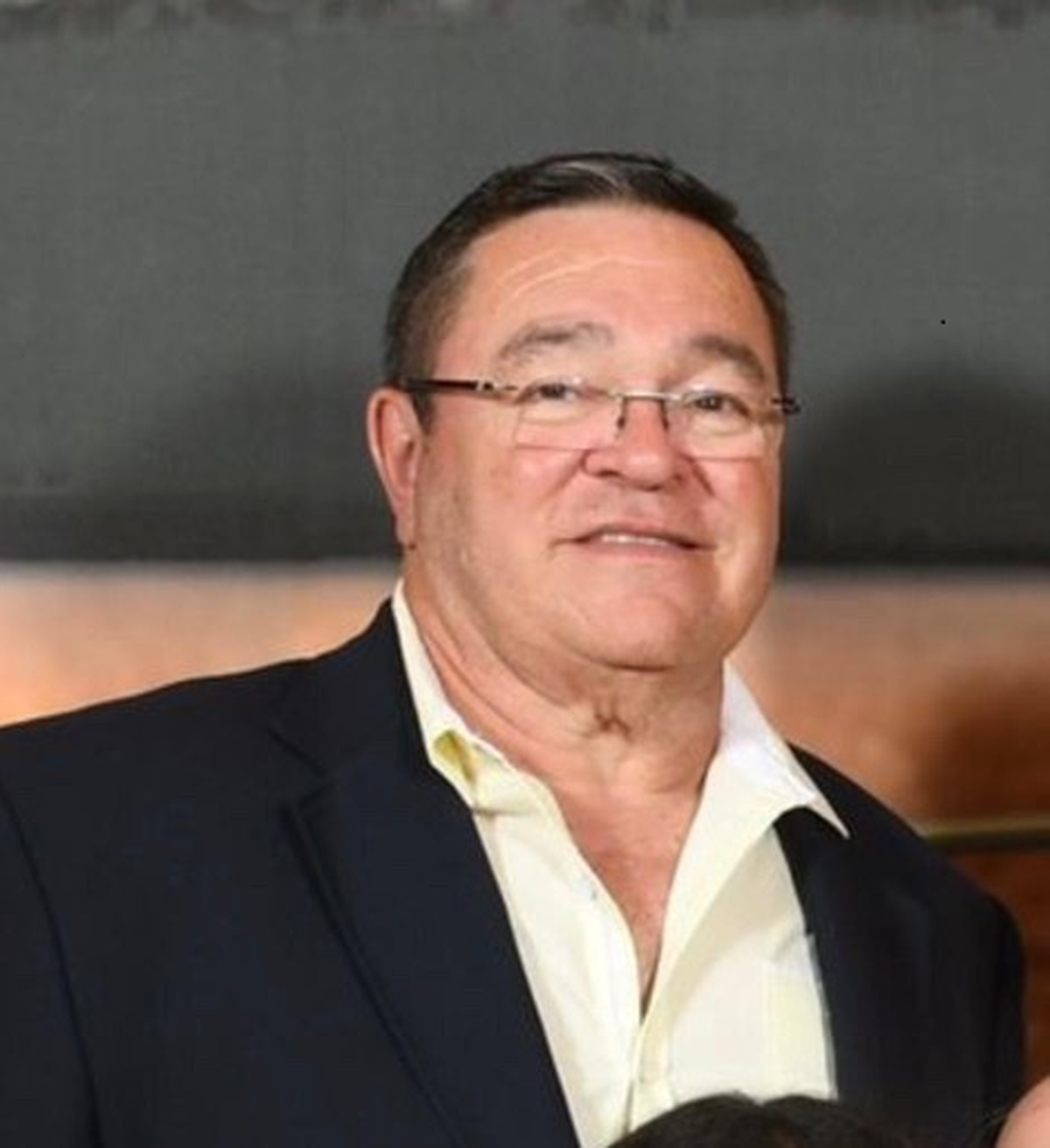
Sebastian Caicedo is the Miami regional director of Florida Rising, a grassroots organization whose mission is to advance economic, racial and environmental justice in Florida. Odell Torres is a longtime resident of Doral and a member of Florida Rising concerned about clean air and a healthy local environment.