Miami-Dade Schools are replacing an excellent sex-ed curriculum with a step backward | Opinion
Before the pandemic, Miami-Dade Public Schools had an excellent sex education curriculum. It was comprehensive, age-appropriate, inclusive and often delivered by professional sexual-health educators through community providers such as Planned Parenthood, Trinity Church and BeStrong.
All of that changed last month, when School Board members voted to pass a textbook as the sole source of sex education for all public middle and high schools.
This is a step backward.
Replacing comprehensive sexuality education with a single textbook means less sex education in general. That’s a disservice to students and will take a toll on their mental and physical health.
Less flexibility
The problem is not the specific textbook — “Comprehensive Health Skills” (there’s a version for middle school and one for high school) is a typical research-based health-education textbook with chapters on things like nutrition, physical activity and sexually transmitted diseases. It meets most of the state’s sex-ed standards. There are no chapters on human trafficking, which is a requirement by Florida statute.
But textbooks are static, rigid ways to deliver information, and they go out of date quickly. They’re also costly, making them difficult to replace with an up-to-date version.
Pre-pandemic, Miami-Dade used a system called the three Rs: Rights, Respect and Responsibility. It follows the National Sexuality Education Standards and is geared to be age-appropriate for each grade level. It’s comprehensive, so it addresses “both the functional knowledge related to sexuality and the specific skills necessary to adopt healthy behaviors,” according to Advocates for Youth, a nonprofit that works to improve sexual-health policy on local, state and federal levels.
It can be delivered in parts, meaning educators can decide when to use lessons that fit into an existing curriculum. And there’s an extensive teacher guide on how to use the lessons in a real classroom, which is important because many teachers aren’t professionally trained health educators.
The three Rs program feels like it’s designed for a real person rather than a robot. It approaches sex education as something that students have the right to learn about, inviting curiosity and questions rather than using pressure or fear to discuss a topic often shrouded in shame.
Redacted chapters
In the new textbook, only four out of 24 chapters explicitly address sexuality or disease education. There would have been more, but the district is removing a chapter called “Understanding Sexuality” from both middle and high school textbooks.
The board claims the reason for the removal is that the topics are not required under state standards. But, it’s likely that the “Parental Rights in Education” bill, which bans teacher-led instruction of gender and sexuality in grades K-3 or in a manner that is not age or developmentally appropriate, has something to do with the redaction. The chapter is not available on the district’s website, so we can’t see what students will be missing. It may well be about gender identity and sexual orientation — two topics that would serve LGBTQ students well. But in Gov. Ron DeSantis’ “free state of Florida,” not all kids are able to get the education they need.
Another reason our students need better sex ed: Miami-Dade has one of the highest rates of new HIV diagnoses in the country. Also, Miami-Dade and Broward have some of the highest cases of syphilis in the state, according to the Florida Department of Health.
Malaika Woody, a MD/MPH candidate at the University of Miami who’s completing her pediatric residency, says many of the teenagers she treats have a lack of understanding about STDs or STIs — even after they’ve contracted one.
“They’ve heard of HIV, they know it’s a disease, and that’s the extent of their knowledge,” Woody said.
She says adults often assume that teenagers know more than they do when it comes to safe sex. Sometimes, she’ll have to have difficult conversations with patients about basic concepts like consent.
“They really don’t comprehend consent,” Woody said. “It’s really startling to me.”
How did we get here?
After Florida passed sex-ed legislation in 2021 that requires school boards to review and approve sex-ed materials annually, all active programming was put on hold in Miami-Dade. All school districts in Florida now have to choose a sex ed curriculum that can be used across every school in the county. A textbook is an understandable choice, as it’s easier to regulate and get approval from board members. But it means the better, more complete curriculum gets tossed aside.
The legislation also requires districts to inform parents of the sex-ed curriculum ahead of school board meetings so that they have time to weigh in — and makes it easier for parents to opt out.
More parental involvement isn’t necessarily a bad thing — except it didn’t really work this time. According to discussion at the Miami-Dade School Board meeting on April 13, not many parents reached out either in favor of or against the textbooks. Maybe there wasn’t enough outreach. Or maybe the bill was never really about parental involvement, but more about pleasing a voter base that believes sex ed should mostly be taught at home.
“We represent a very conservative district,” noted School Board member Marta Pérez, at an April 6 meeting, adding that many parents in her district might not want their middle schoolers looking at pictures of condoms and IUDs during school.
The good news about the new legislation is that Miami-Dade has another chance next year to get it right. School Board members must put aside their biases and remember that — politics aside — comprehensive sexuality education helps young people lead happier, healthier lives. That’s a goal we can all agree on.
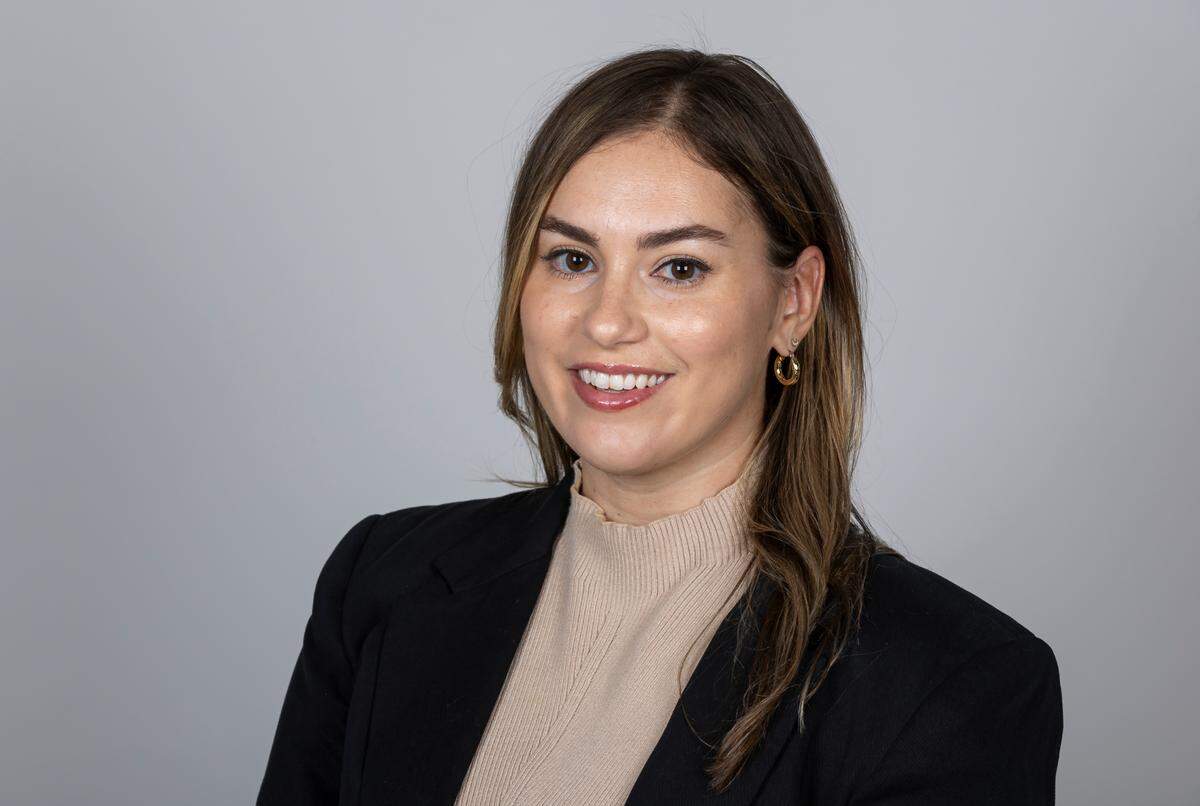
Lauren Costantino is the audience engagement producer for the Miami Herald Editorial Board and a former Palm Beach County teacher.

This story was originally published May 11, 2022 at 3:17 PM.