Banning books isn’t the answer. Teach more-inclusive sex education — and teach it earlier | Opinion
In the banned-book movement brewing in schools and libraries across the country, the focus of the censorship has been mostly on race.
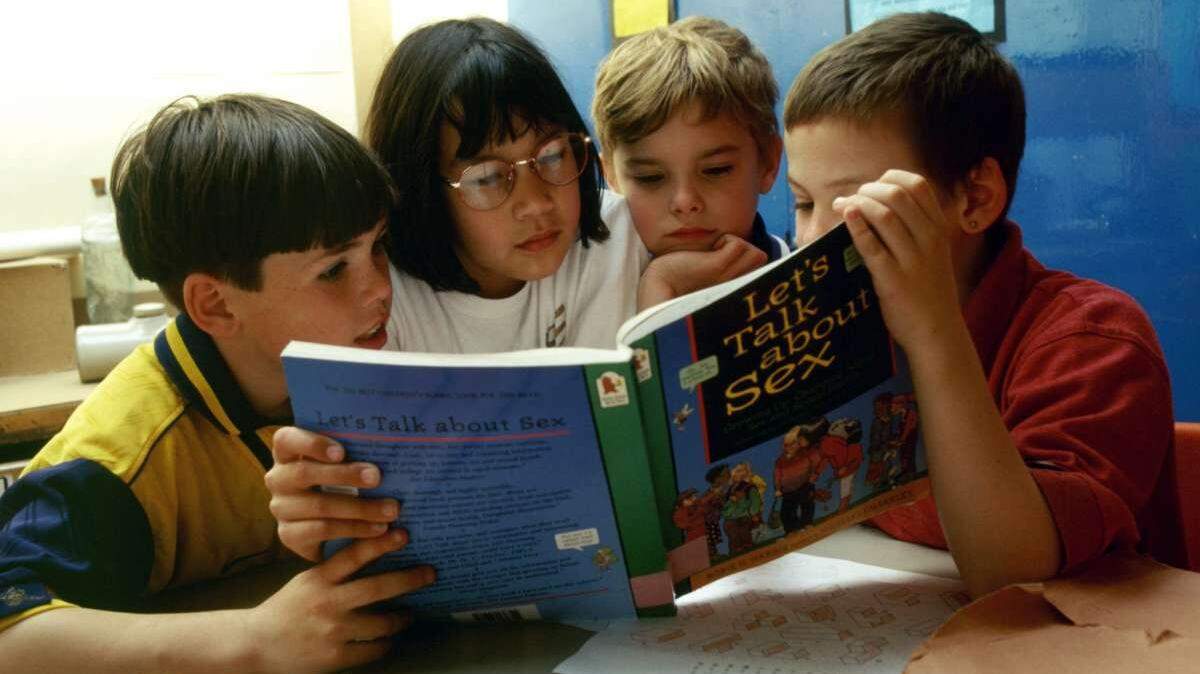
But the drive to remove certain books from schools if they could make students feel uncomfortable also includes issues of sex and sexuality. Removing those books is dangerous, too. Adolescents should have access to comprehensive, unbiased and developmentally appropriate sex education.
That starts with books.
I’m not talking about fiction books with explicit sex scenes, but books that could be used to supplement sex education. Books like “LGBT Families,” “Real Talk About Sex & Consent: What Every Teen Needs to Know” and “You Do You: Figuring Out Your Body, Dating and Sexuality.” Those are just a few titles from a list of 850 titles compiled by Texas Rep. Matt Krause, who thinks these books, if available in school libraries, should be reconsidered because they might make students feel distress. The list is considered a guide by some in Florida who feel the same.
Currently in the Florida Legislature, lawmakers are pushing a bill that critics say would discourage any discussion of sexual orientation or gender identity in elementary classrooms. Such legislation minimizes the realities of students who don’t conform to prevailing sexual and gender norms while feigning a pro-parent rights agenda. The absence of discussions about LGBTQ issues and gender equality in sex education is part of the problem.
As a former high school teacher, I know the importance of keeping books on sex education in school libraries. Students are getting much of their sex education online, from pornography sites and other unreliable corners of the internet. Because we have treated sex ed as an afterthought, students are hungry for information on sex and relationships. We need to give them other sources of factual information — and not just through books.
It’s time for a radical update to our sex-education curriculum. It should include more programming to discuss gender equality and offer real information students need to make informed choices about sex and sexual health. And sex ed needs to be taught at a younger age, in ways that are appropriate.
What American children learn about sex and sexuality varies dramatically from state to state. As of October 2020, only 30 states required public schools to teach sex education. Not all of them required it to be medically accurate or inclusive for LGBTQ youth. Twenty-eight required lessons that stress abstinence. Only two states — California and Louisiana — said sex education cannot promote religion. We still have a long way to go.
In many states, Florida included, it’s up to the local school districts to decide what kind of sex education will be part of the curriculum. That means Florida students could be taught abstinence-only, abstinence-plus or comprehensive sexual-health education, according to the state education website.
Broward County is an example of one district that’s getting it right, with a K-12 sex-ed curriculum and clarity on its website about what that means for students in each grade.
K-12 sex education? Yes. It’s also known as comprehensive sexuality education and it’s an approach that more school districts should employ.
The earlier the better
Comprehensive sexuality education (CSE) offers students a traditional sex education but adds in cognitive, social and emotional aspects of sexuality, according to a definition from the International Technical Guidance on Sexuality Education, published by UNESCO. In addition to teaching scientifically accurate information on sex, this form of sex ed teaches life skills for health and well-being, starting in childhood. It includes concepts like sexuality, human rights, love, relationships and gender equality.
In other parts of the world, such as the Netherlands, age-appropriate sex education starts early, at 4 or 5 years old. As with other subjects, children start with foundational concepts, then layer on other issues as they grow older. It’s like learning the alphabet, followed by grammar and sentence structure. The lessons are aligned to what the children can understand.
So no, kindergartners wouldn’t learn about the birds and the bees. But they might learn about love, bodily autonomy and friendships. When they’re older, teachers might add higher-level concepts like consent, healthy relationships and gender norms.
One key concept of CSE is teaching about universal human rights and respecting the rights of others — in other words, how to make responsible sexual choices free of coercion and violence.
A sex ed curriculum that teaches about consent, communication and how to make responsible decisions — why would school districts choose any other option?
Though the battle over sex ed has been around since the 1940s, pressure from parent groups who oppose it in schools continues, according to Nora Gelperin, the director of sexuality education and training at Advocates for Youth, a nonprofit that works to improve sexual health policy on local, state and federal levels.
National polls consistently show that more than 85% of parents support some kind of sex education, regardless of political affiliation. But that small minority is loud and organized. They’ve launched disinformation campaigns and pushed false narratives that equate sex education with pornography.
“There’s this active campaign to intentionally confuse parents and intentionally spread lies,” Gelperin said.
As someone whose own sex education stressed abstinence, I cannot understand why anyone would choose an approach that offers less information. Research from the American Journal of Public Health shows that abstinence-only programs have no effect on preventing teenage pregnancy.
As a sex education expert, Gelperin has some advice for parents who support abstinence programs: “Scaring kids out of sex has never shown to be effective, but giving them information and a trusted adult they can ask questions to, that’s what helps them safely navigate adolescence.”
Note to nervous parents
There is understandable concern when it comes to trusting anyone with your child’s sex education. Age-appropriateness is important. So is asking questions about what your child is learning — or not learning.
Parents may be surprised to learn that their child’s sex education is less than comprehensive. It might be as skimpy as one class on puberty in fifth grade, a class on STDs in eighth grade and not much else, according to Gelperin.
The old arguments that schools should leave sex education to parents continue, too, especially with parent groups advocating for more control over what their children learn in every subject. Why should sex ed be any different?
But many students — including many who are LGBTQ+ — don’t live in a supportive home environment. Some students don’t have strong relationships with their parents and cannot rely on them for an accurate or relevant sex education.
I had a transgender student in 12th grade, for example, whose parents didn’t support his gender identity. They even threatened to cut him off financially if he continued his transition. Where could that student turn for accurate and unbiased information about gender and sex if it weren’t for sex education in school?
One last point for parents: Schools are more likely to hear from parents who oppose sex education. If you support it, you also should take the initiative to be heard.
Sex education should be inclusive for all students and strengthen their skills in communication, decision making and critical thinking. Helping young people make more responsible decisions when they finally do decide to have sex is paramount.
If you’re a teacher or parent looking for resources to supplement your lessons on sex ed, check out AMAZE.org. The website offers fun, age-appropriate videos on puberty, reproduction, relationships and sexuality.
Lauren Costantino is the audience engagement producer for the Miami Herald Editorial Board.
This story was originally published January 28, 2022 at 6:00 AM.