
We, survivors and public-health experts, hold the solution to the violence plaguing Miami | Opinion
Last Thursday was supposed to be an ordinary night. As I waited to pick up my car at Casino Miami Jai-Alai, I was caught in the crossfire of a shootout that wounded three people. A bullet came within inches of hitting me. But this isn’t the first time that my family and I survived violence — my sister was murdered when I was 19 years old.
Since the Casino shooting, I, Trenise Bryant, and my co-author, Armen Henderson, have seen other Miami residents caught in similar, or worse, incidents almost every day. Anyone standing outside of Ryder Trauma Center in recent weeks — seeing victim after victim arrive by ambulance, helicopter and car for gunshot wounds — would feel like they were in a war zone.
For those of us that have lost loved ones to violence, the trauma that Miami is experiencing is forcing us to relive ours. Between the stop-the-bleed workshops attended by 8-year-old children and the innocent bystanders caught in the crossfire, this city has had enough.
While everyone is talking about possible solutions, very few people are listening to the voices of survivors — including the grieving father who was recently shoved away from a county press conference. And, sadly, the violent events of the past several days have created dozens more survivors who will need help healing and addressing their trauma. Those same survivors will go back to communities where people want to do everything in their power to prevent what happened to them from happening to anybody else.
But families are grieving and need support, and over-incarceration isn’t the tool to end the cycle of crime in Miami. Unaddressed trauma moves through our communities like a virus, infecting more and more people through violence. The only way we can end this outbreak of gun violence is by focusing on healing and intervention of survivors now.
Our public-safety approach must take into account the voices of survivors and elevate our needs as we navigate the trauma that has taken hold of our lives. Unaddressed trauma often leads to severe depression, addiction and other unresolved issues that can perpetuate cycles of crime. But we can end this cycle through an honest evaluation of current programs and comprehensive victim support that give people hope.
There is no doubt that this proven approach to crime prevention will require resources. Thankfully, Miami-Dade County is set to receive over $500 million from the American Rescue Plan Act, a portion of which can be used for violence prevention.
Even if we were to use just a small portion of those funds for crime prevention, victim support and trauma recovery, we would go a long way toward improving the safety and well-being of our county.
These funds can be dedicated to crime-prevention models that have been proven to work. For example, Newark implemented a community-based violence intervention program supported by city leadership that has seen a 51 percent reduction in homicides — even as we see upticks in violence in Miami-Dade County and other parts of the country.
There are violence-prevention organizations and efforts across Miami-Dade with programs similar to Newark’s that are grossly underfunded and undermined. In addition, many grassroots organizations led by survivors that serve crime victims operate on shoestring budgets.
Survivors are not out for recognition or accolades, but to ensure the increased influx of victims get the help they need to heal.
The federal money that Miami-Dade County is receiving through the ARP gives us a new opportunity to listen to survivors, public-health practitioners and communities affected by violence. We have a chance to invest in all of our healing, well-being and safety in a more effective way. We need to step up now and invest in stopping the cycles of violence and victimization in Miami-Dade County.
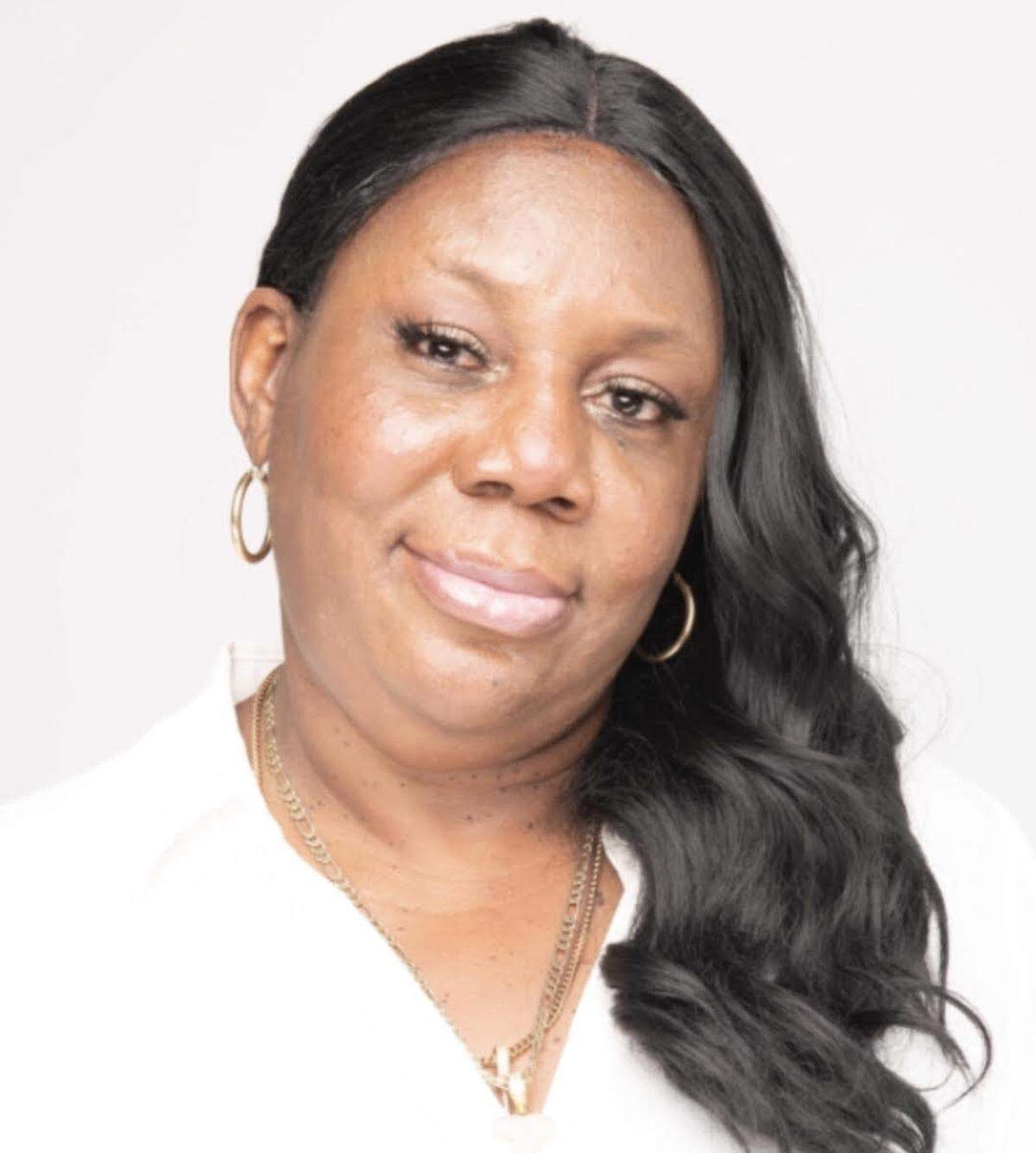
Trenise Bryant is a co-coordinator for the Miami Chapter of Crime Survivors for Safety and Justice. Dr. Armen Henderson is a community-based physician and director of health advocacy at the University of Miami.
This story was originally published June 7, 2021 at 3:48 PM.