
World Cup referee crackdown: Miami is in the spotlight, just not like we wanted | Opinion
Miami found itself in the international sports spotlight this week for the World Cup. But not for the reasons the city had hoped.
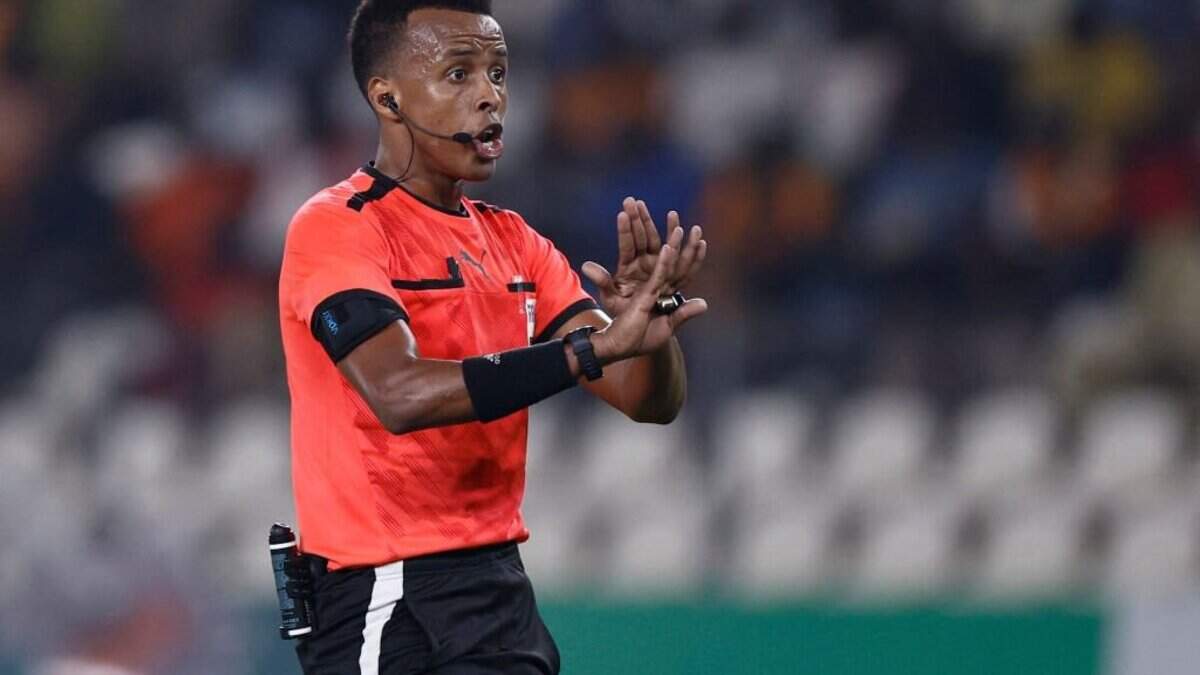
Immigration officials at Miami International Airport this week denied entry into the country to World Cup referee Omar Abdulkadir Artan from Somalia. He was refused entrance because of unspecified “concerns” about his vetting. Artan will no longer train and officiate at the World Cup.
He has been able to referee games all over the world and was named the best male referee of 2025 by the Confederation of African Football. But the U.S. has concerns — the details of which the Trump administration has not shared.
OK, if the concerns are valid — and perhaps they are — then tell us: What exactly triggered this apparent red flag? We understand the reasons to be vigilant. But what concerns does the U.S. have about an official in the world’s most important sporting event that no other country has identified?
Or were the concerns not about Artan but his country of origin? Somalia is one of dozens of nations Trump has targeted with travel and visa bans. The East Africa nation has been plagued by conflict and Islamic insurgents.
Trump called Somalis “garbage” in December, when he said he was cutting immigration from “Third World countries” following the deadly attack on two National Guard members by an Afghan man in Washington, D.C. The president has made clear his intentions to keep undesirable immigrants — those from Africa, Latin America and Asia — out of the U.S. Meanwhile, he has refashioned the country’s refugee program to admit mostly white South Africans he claims are victims of race-based persecution.
Artan told the New York Times he went through an 11-hour immigration interview before he was denied entry into the U.S. despite holding the “right papers” and “right visa.” He also showed border officials documentation from FIFA and photos from his career as a referee. The officials even searched for him online, he told the Times.
This doesn’t appear to have been an isolated case. Members of the Iranian and South African teams have reported issues obtaining visas, prompting Iran’s team to relocate its base camp from Arizona to Mexico, which is also hosting the World Cup along with the U.S. and Canada. The only player of the Haitian national team who lives in the Caribbean country also had trouble getting a visa but has since entered the U.S., the Herald reported.
The International Sports Press Association has also raised concerns about the denial of entry visas for journalists. In some cases, the U.S. granted single entries to some reporters, “so if their team goes to play in Canada or Mexico and they follow it, they can no longer return to the States,” AIPS President Gianni Merlo told the FIFA media relations director in a June 5 letter.
Miami has positioned itself as a global city with international reach. Now that’s on a collision course with Trump’s immigration agenda. Trump’s bans affect many of the countries whose immigrants helped build the city, such as Cuba, Haiti, Venezuela and others.
The president’s immigration agenda is also more than policy — it creates the perception that the U.S. no longer welcomes people from abroad, no matter how qualified they are. The administration’s $100,000 fee on H-1B work visas, struck down by a federal judge this week, is a clear example of the isolationism and nativism that have swept American politics since Trump’s reelection.
The world has been looking at America’s anti-immigration moves with consternation, and now Miami has been thrown into the mix. This is not the reputation this city has tried to project.
BEHIND THE STORY
MOREWho decides the political endorsements?
In advance of local and state elections, Miami Herald Editorial Board members interview political candidates, as well as advocates and opponents of ballot measures. The Editorial Board is composed of experienced opinion journalists and is independent of the Herald’s newsroom. Members of the Miami Herald Editorial Board are: Amy Driscoll, editorial page editor; and editorial writers Isadora Rangel and Mary Anna Mancuso. Read more by clicking the arrow in the upper right.
What does the endorsement process look like?
The Miami Herald Editorial Board interviews political candidates to better understand their views on public policy and how their policies will affect their constituents. Board members do additional reporting and research to learn as much as possible about the candidates before making an endorsement. The Editorial Board then convenes to discuss the candidates in each race. Board members seek to reach a consensus on the endorsements, but not every decision is unanimous. Candidates who decline to be interviewed will not receive an endorsement.
Is the Editorial Board partisan?
No. In making endorsements, members of the Editorial Board consider which candidates are better prepared to represent their constituents — not whether they agree with our editorial stances or belong to a particular political party. We evaluate candidates’ relevant experience, readiness for office, depth of knowledge of key issues and understanding of public policy. We’re seeking candidates who are thoughtful and who offer more than just party-line talking points.