
World Cup referee from Somalia denied entry to U.S. at Miami airport
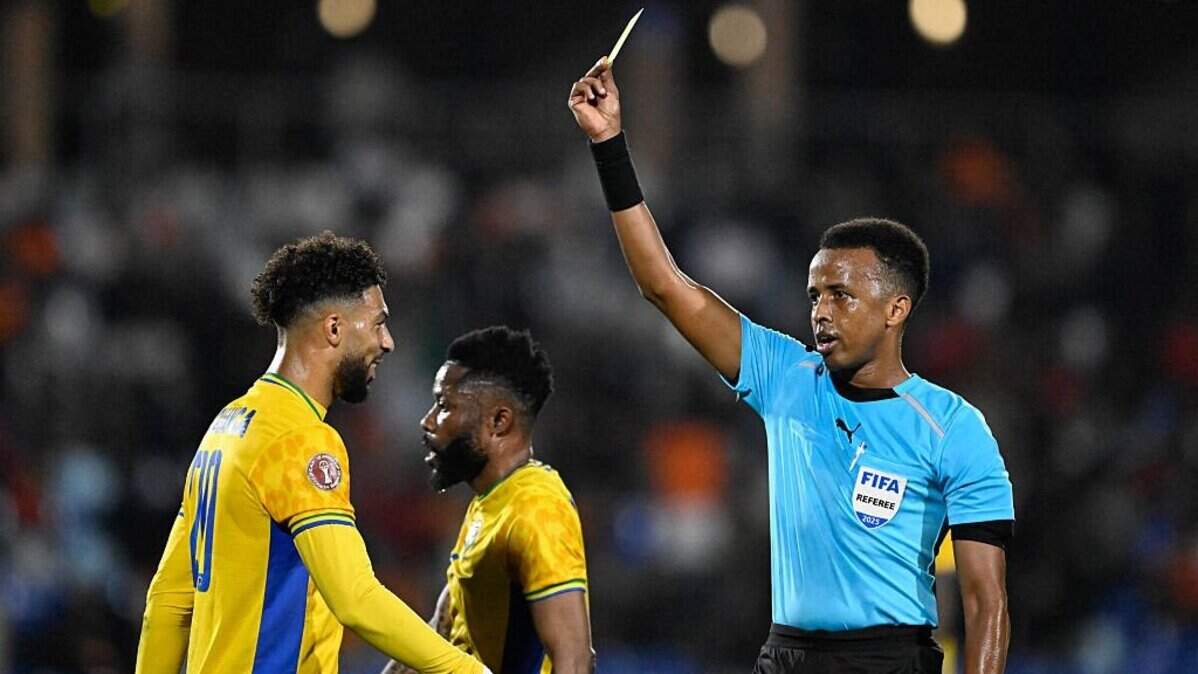
Immigration officials at Miami International Airport refused to allow renowned Somali referee Omar Abdulkadir Artan to enter the United States ahead of his participation in the FIFA World Cup.
A Customs and Border Protection spokesperson confirmed to the Miami Herald on Monday that on June 6, Artan flew into Miami from Istanbul. He then underwent additional immigration screening and was determined to be inadmissible to the United States.
“All travelers seeking entry into the United States, including athletes, coaches, and staff, are subject to CBP inspection and vetting,” said the spokesperson. “Admissibility determinations are made on a case-by-case basis using law enforcement, national security, and immigration information available at the time of inspection.”
Artan will not train and officiate at the World Cup, FIFA said, adding that it is not involved in the host country immigration processes.
Artan was the only Somali referee, out of a total of 52, set to officiate at the World Cup. He is also the first from his country chosen to officiate, according to Sports News Africa. He has refereed for FIFA since 2018, and won awards for his work, including last year when the Confederation of African Football named him the best male referee in 2025.
“Despite the circumstances, I am in a positive mood and I am focused on the next challenges in my refereeing career,” Artan said in a statement.
Hassan Ali Khaire, the Prime Minister of Somalia, expressed his deep disappointment in a statement Monday and called him an inspiration to millions of young Somalis and Africans. He said he hoped a solution to the visa issues would be found.
“Football is at its best when it brings people together and celebrates merit, inclusion, and opportunity. Omar, Africa and the world stand with you,” he said.
Miami is base camp for FIFA referees
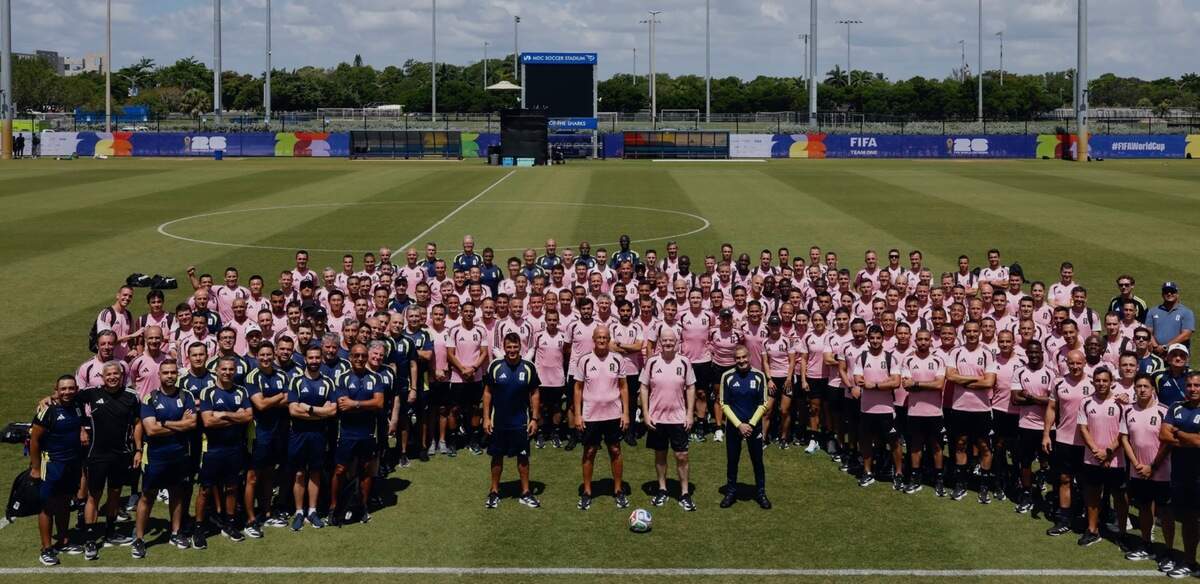
Miami will be ground zero for all 170 referees through the duration of the tournament as the city has been designated as their base camp.
As part of their preparations, the 52 referees, 88 assistant referees and 30 video match officials (VMOs) have gathered in Miami for a 10-day seminar, which began over the weekend. While the VMOs will relocate to the International Broadcast Centre in Dallas, Miami will be home to the rest of the match officials for the duration of the tournament.
FIFA President Gianni Infantino welcomed the officials at the start of their camp at Miami Dade College Soccer Stadium on the Kendall campus.
“Today I really feel great here in Miami, spending time with Team One. The best of the best,” Infantino said after attending one of their pre-tournament training sessions. “They’ve been working for years to be ready for the greatest World Cup ever. And here they are at these great facilities in Miami.
“As President of FIFA, and for the whole of the FIFA structure, infrastructure and organization, it is important for me to show them our support, my support,” he said at the camp. “We are there to assist, to help, to back and support all the referees, the assistants, the [video assistant referees] in their job, which is incredibly, incredibly difficult, not sufficiently recognized. But we do that and the world will see it again, once again, in this FIFA World Cup.”
Chosen from all six confederations and across 50 FIFA member associations, the 170-strong refereeing contingent – featuring six women – is the largest roster of officials in tournament history. They were selected via a process which spanned more than three years, with candidates assessed at FIFA tournaments as well as domestic and international competitions.
READ MORE: Haiti player’s U.S. visa ordeal reveals obstacles facing some World Cup countries
Visa delays and travel restrictions
A Department of State spokesperson told the Herald late Monday that the U.S. is “well-prepared to welcome legitimate travelers” and that the agency was supporting with the visa processing of “qualifying persons preforming a necessary support role,” like referees and coaches. While the State Department grants visas it is CBP that lets people into the country.
But four countries — Haiti, Iran, Ivory Coast and Senegal — in this year’s World Cup are targets of U.S. visa and travel restrictions from the Trump administration. The measures have complicated travel not only for fans hoping to attend matches in the United States, but also for the players and team officials, despite exemptions for athletes, coaching staff and federation personnel.
The only Haitian player who lives in the gang-ridden Caribbean country encountered difficulties securing a visa. He has since entered the U.S. Officials with the Haitian Football Federation, which governs the sport in the Caribbean country, are also awaiting visas.
Members of the South African team and its support staff have also reported troubles. And. Iranian officials have said that the U.S. visa delays forced them to relocate their base camp from Arizona to Tijuana and placed them in a competitive disadvantage.
Last week, the International Sports Press Association President Gianni Merlo raised concerns to FIFA’s Media Relations Director about the denial of entry visas for journalists. He also emphasized that many, including reports from Iran and African nations, were granted permission to only come into the United States once. That means that if they leave to cover a match in Mexico or Canada, they cannot come back without getting a new visa, which can take weeks or months.
“The cases are countless and, I repeat, unacceptable. Politicians always say that sports unites and builds bridges between young people in countries in conflict…but in this case we are going in the opposite direction,” Merlo wrote.
The visa and entry complications for travelers coming to work or play in the World Cup is a flashpoint in the debate around President Donald Trump’s immigration agenda. Upon taking office, Trump issued proclamations banning the entry and issuance of visas for citizens of dozens of countries, including Somalia. While the White House says the measures are necessary for national security and to curb visa overstays, advocates and lawyers say they are a tactic to limit immigration from countries that Trump officials deem undesirable. The proclamations target mostly African nations but also countries in Latin American, the Caribbean, and Asia.
Trump has repeatedly made offensive and racist comments about Somalia in particular. He has called Somalis “garbage” and the country that they come from “hell,” among other derogatory names and descriptions.
In the build up to the World Cup, more than 120 civil society groups issued a joint travel advisory, warning soccer fans, even those with visas, about the risk of noncitizens facing immigration detention or deportations during their travels to the United States.
Miami Herald Staff Writers Jacqueline Charles, Vinod Sreeharsha and Michelle Kaufman contributed to this report.
This is a developing story. Check back for updates.
This story was originally published June 8, 2026 at 4:07 PM.