
The Castro indictment Miami has waited for is here. Now what? | Opinion
Now that the U.S. has indicted 94-year-old Raúl Castro in the Brothers to the Rescue shoot-down, what’s next? If Venezuela is any guide — and that’s still a big if — more U.S. involvement could be on the horizon.
We have seen the Trump administration increase pressure on Cuba, pushing the narrative that the relationship between the U.S. and the island nation has finally reached its breaking point. But the indictment issued by a Miami grand jury against Castro, who turns 95 next month, and five others is an intensification of a new order.
But before we get to the future, we need to acknowledge the past. This is a huge moment for Miami, 30 years in the making. That’s how long this community has waited — and waited — for justice in the Brothers to the Rescue attack.
It was 1996 when four men in unarmed civilian planes were shot down by Cuba over international waters, according to an investigation by the International Civil Aviation Organization. They were part of a Miami-based exile group that searched for Cuban rafters at sea. Castro was the minister of defense at the time.
The Cuban government tried to justify the shootings at the time, arguing the organization had dropped leaflets over Havana in previous incidents. But a transcript of conversations between the two MiG jet fighters who downed the planes was released in 1996 by then-U.S. ambassador to the United Nations, Madeleine Albright. The pilots were gleeful: “This one won’t mess around anymore,” one of the pilots said after shooting a civilian plane.
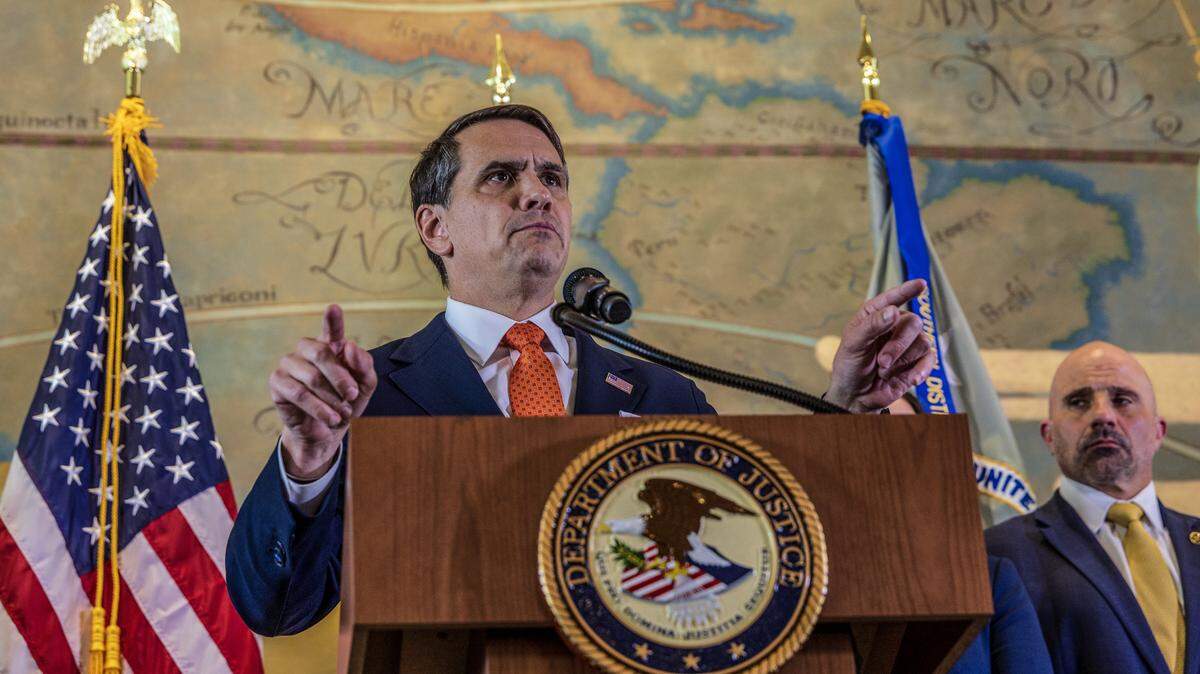
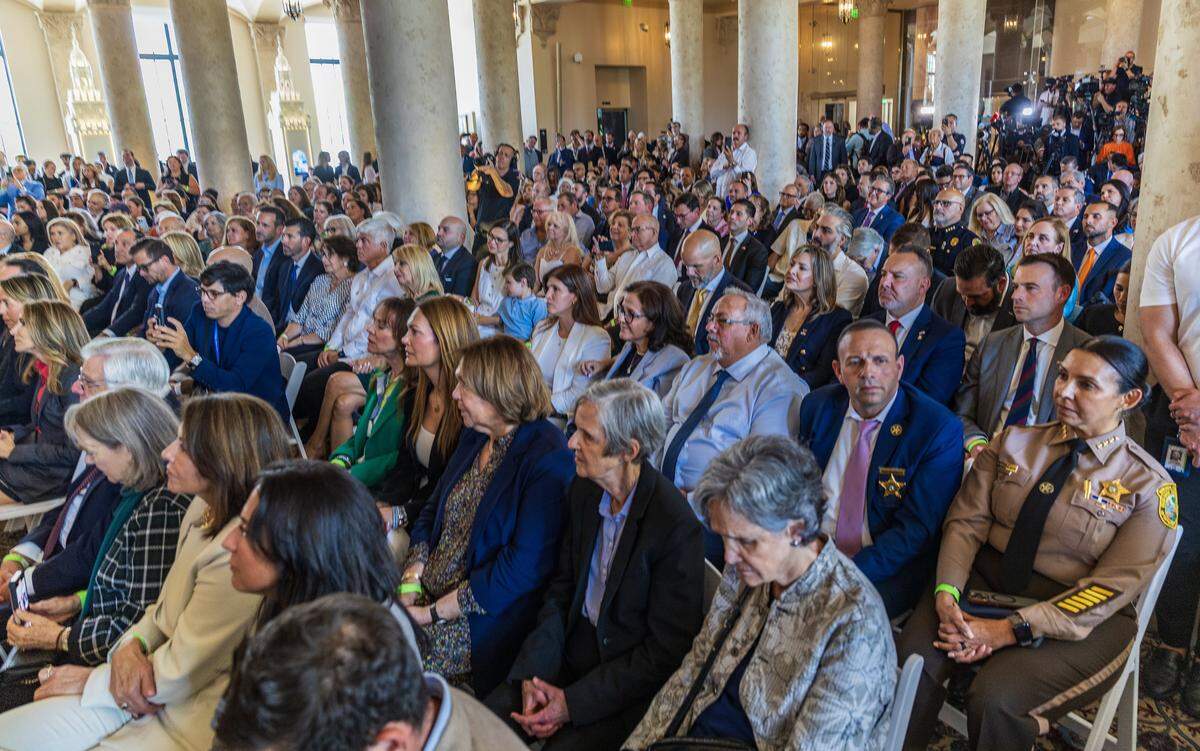
The ensuing years haven’t done much to dim the outrage in Miami over the four deaths, and it surged again Wednesday. Acting U.S. Attorney General Todd Blanche announced the indictment to a standing ovation at Miami’s Freedom Tower, symbolic as the place where many Cubans first entered the U.S.
“Justice has been delayed for decades, but the Cuban dictatorship must finally answer for its crimes,” Miami’s U.S. Rep. Carlos Giménez said in a statement.
Wednesday was also Cuba’s Independence Day, which was no coincidence.
Secretary of State Marco Rubio, Cuban American from Miami and a key player in the pressure campaign on Cuba, heightened the moment Wednesday morning by releasing a video on social media urging the Cuban people to see this as a moment of change that’s within their hands.
The U.S. is open to a “new chapter” in its relationship with Cuba, Rubio said, and “the only thing standing in the way of a better future are those who control your country.”
The news conference at the Freedom Tower was packed with Cuban-American leaders, activists, lawyers and relatives of the victims. It was a moment to remember the men who lost their lives and grieve them again. And it was a chance to address a wound that has been festering for decades since the shoot-down and even before that, starting when Fidel Castro took power in Cuba.
The Raúl Castro indictment alone won’t accomplish true justice for the Cuban people. For that to happen, there must be serious steps that include a release of all political prisoners and a change in the country’s leadership to allow real democratic reforms.
Rubio, in his recorded message to Cuba, emphasized the role that GAESA, the military conglomerate that controls much of the country’s economy, has played in funneling foreign revenue to its hotels and businesses. That message seemed designed to give Cubans on the island encouragement to stand up to their government.
The U.S. may or may not be planning to storm Cuba and bring Castro to face charges the way it did with Nicolás Maduro in Venezuela in January. It’s hard to imagine the elderly Castro bundled onto a plane in a tracksuit or doing a perp walk on arrival in the U.S. — although with the Trump administration, there’s no telling.
But even if this measure turns out to be mostly symbolic, it still carries a lot of power. Indicting the man — for murdering U.S. citizens — who still calls many of the shots in Cuba may have taken decades, but it has happened. And that is worth a lot.
“We’ll see what happens next,” said Maggie Alejandre Khuly, sister of Armando Alejandre, who was 45 when he was killed in the shoot-down. “It’s a bit more of the justice that we are seeking.”
BEHIND THE STORY
MOREWhat's an editorial?
Editorials are opinion pieces that reflect the views of the Miami Herald Editorial Board, a group of opinion journalists that operates separately from the Miami Herald newsroom. Miami Herald Editorial Board members are: opinion editor Amy Driscoll and editorial writers Isadora Rangel and Mary Anna Mancuso. Read more by clicking the arrow in the upper right.
What's the difference between an op-ed and a column?
How does the Miami Herald Editorial Board decide what to write about?
The Editorial Board, made up of experienced opinion journalists, primarily addresses local and state issues that affect South Florida residents. Each board member has an area of focus, such as education, COVID or local government policy. Board members meet daily and bring up an array of topics for discussion. Once a topic is fully discussed, board members will further report the issue, interviewing stakeholders and others involved and affected, so that the board can present the most informed opinion possible. We strive to provide our community with thought leadership that advocates for policies and priorities that strengthen our communities. Our editorials promote social justice, fairness in economic, educational and social opportunities and an end to systemic racism and inequality. The Editorial Board is separate from the reporters and editors of the Miami Herald newsroom.
How can I contribute to the Miami Herald Opinion section?
The Editorial Board accepts op-ed submissions of 650-700 words from community members who want to argue a specific viewpoint or idea that is relevant to our area. You can email an op-ed submission to oped@miamiherald.com. We also accept 150-word letters to the editor from readers who want to offer their points of view on current issues. For more information on how to submit a letter, go here.