
Rubio to Cubans: U.S. offers path out of crisis, says military firm stands in the way
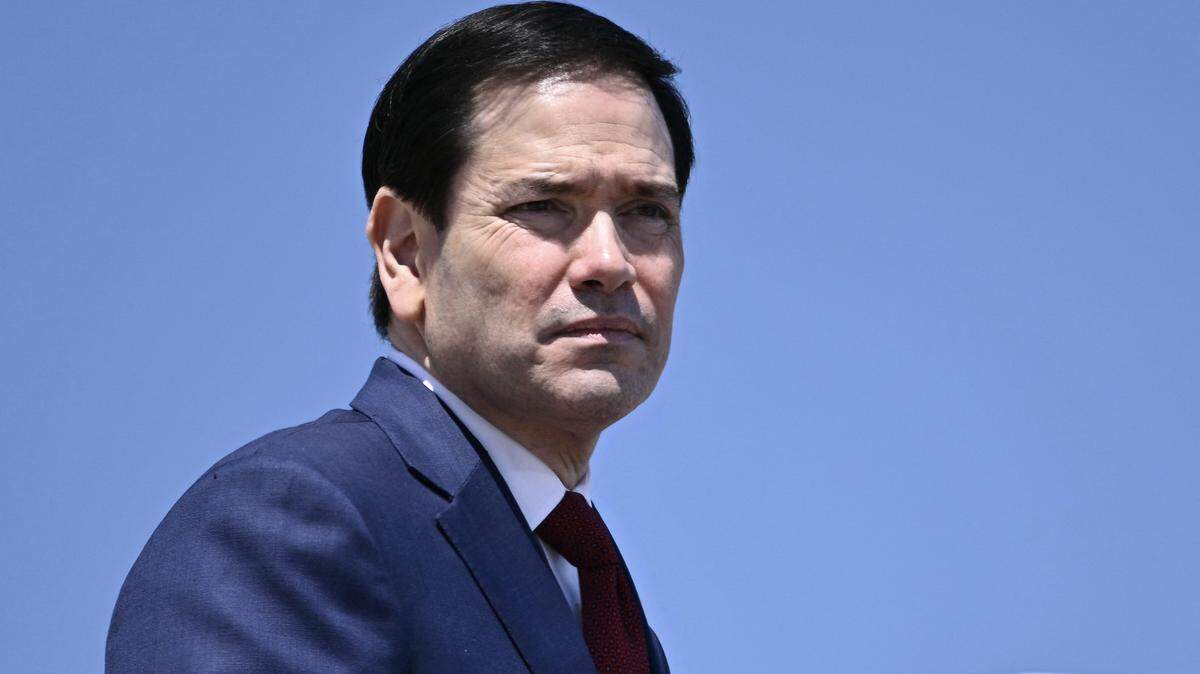
Speaking to Cubans directly in a recorded video message in Spanish to mark the anniversary of Cuba’s Independence Day on Wednesday, Secretary of State Marco Rubio offered a “new relationship” between the United States and the Cuban people that could open up the way to a future in which Cubans could freely elect their leaders and be successful business owners.
“We are ready to open a new chapter in the relationship between our people and our countries,” he said. “And currently, the only thing standing in the way of a better future are those who control your country.”
At the center of its message was the role that GAESA, the military conglomerate that controls much of the country's economy, has played in funneling most of the country’s foreign revenue to its hotels and businesses.
“Today, Cuba is not controlled by any revolution,” he said. “Cuba is controlled by GAESA, a state within a state that is accountable to no one and hoards the profits of its businesses for the benefit of a small elite.
Rubio said President Donald Trump is offering “a new path” for a “new Cuba” where ordinary Cubans, not just those with links to GAESA, could be business owners and “complain about a failing system without fear of going to jail or being forced to leave your island; a new Cuba where you have a real opportunity to choose who governs your country and vote to replace them if they are not doing a good job.
“All of this exists in the Bahamas, in the Dominican Republic, in Jamaica, and even just 90 miles away in Florida,” he added. “If owning your own business and having the right to vote is possible around Cuba, why isn’t it possible for you inside Cuba?”
Read more Where is Cuba’s money? Secret records show the military has massive cash hoard
A 2025 Miami Herald investigation based on secret GAESA financial statements revealed that the conglomerate, owned and operated by the Cuban revolutionary armed forces, reported $18 billion in current assets in March 2024, while the government was cutting spending on healthcare, education and Cubans were enduring shortages of food and medicine that the island’s authorities blamed solely on U.S. sanctions.
The country is going through its worst economic and energy crisis in several decades, mainly the result of years of mismanagement, failed economic policies and corruption. The situation has been aggravated in recent months after the capture of Nicolás Maduro in Venezuela meant Cuba stopped receiving free oil from the South American nation. Trump also signed an executive order threatening tariffs to Cuba’s oil suppliers in an effort to pressure the communist government in Havana to open up its economy and release its grip on power.
Rubio said Cuba’s current crisis should be blamed on the military officials behind GAESA, which has ransacked the country’s revenue for their benefit, leaving most Cubans impoverished.
“The real reason you have no electricity, fuel, or food is because those who control your country have looted billions of dollars, but none of it has been used to help the people,” he said. “Today, while you suffer, these businessmen have $18 billion in assets and control 70% of Cuba’s economy. They profit from hotels, construction, banks, stores, and even from the money their relatives send them from the United States. Everything passes through their hands. They keep a percentage of those remittances, but none of GAESA’s profits reach you.”
Rubio also reiterated an offer to assist the Cuban people with $100 million worth of food and medicines but insisted the aid should be distributed by the Catholic Church and other trusted charities.
This story was originally published May 20, 2026 at 9:58 AM.