
The good, the bad and the self-serving in Miami’s push to change elections | Opinion
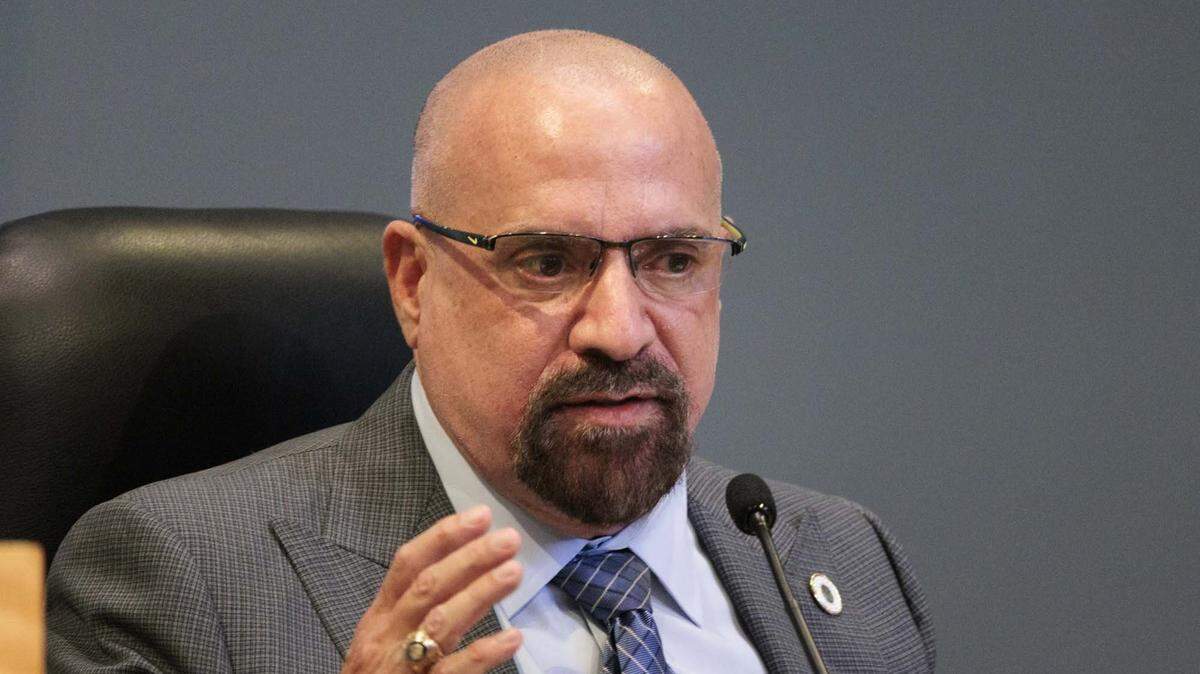
Miami voters will get a chance to decide this summer whether they want to move elections from odd-numbered years to even-numbered years.
That’s good. It’s a change the Herald Editorial Board has long advocated for one strong reason: It will probably boost voter turnout by aligning city elections with higher profile state and federal races.
Miami’s low voter turnout in local races is an embarrassment — when it reached 21% in last year’s mayoral runoff, it was cause for celebration. The city desperately needs a more engaged citizenry, especially when it comes to choosing local leaders.
But here’s the not-so-good part: Even if voters say yes to the question on the Aug. 18 ballot, the first even-year election wouldn’t happen until 2034.
Why wait almost a decade?
Miami commissioners are the ones who made the decision, and it seems they weren’t enthusiastic about another option: potentially shortening their own time in office. As Commissioner Damian Pardo told the Miami Herald, “A lot of people are very skittish about giving up time in their term.”
That comes as no surprise. The Miami commission voted last year to give commissioners an extra year in office — without asking voters — as a way of moving the election cycle to even years. That blew up in their faces. It didn’t sit right with a lot of people — including us — because it essentially disenfranchised the electorate, who had no say in the matter.
It took a lawsuit by then-mayoral candidate Emilio Gonzalez, a former Miami city manager, to force the issue. Ultimately, a court ruling returned the election to its original time. But the issue of moving elections to even-numbered years remained unresolved.
This time, commissioners did choose to shorten terms — but not theirs. Future commissioners would take the hit. The proposal passed 3-2, with Commissioner Miguel Angel Gabela from District 1 and Commission Chair Christine King from District 5 voting against it.
Under this latest plan, the normal, staggered elections would go forward as planned: Commissioners for Districts 1, 2 and 4 would be elected in 2027. Commissioners in Districts 3 and 5, plus the mayor, would be elected in 2029. They would serve for the usual four years.
But the next round of elections — in 2031 for Districts 1, 2 and 4 and in 2033 for Districts 3 and 5 and mayor — would be for three-year terms.
That means, starting in 2034, the city’s elections would be held in even-numbered years.
It’s complicated. Commissioners could have asked voters whether they wanted to start the new timing after the next round of elections, when most of them, except for term-limited Chair Christine King, are up for reelection. But that would shorten the potential second term of the people sitting on the dais now.
Don’t forget: Miami voters passed lifetime term limits last fall, limiting elected officials to two terms as mayor and two terms as commissioner. Those in office now would get their full two terms before the change in election cycle would kick in.
One more wrinkle: The new mayor of Miami, Eileen Higgins, pledged on the campaign trail that she would shorten her own term to three years to help make the switch. She made good on the promise, introducing legislation two months after she took office to cut her term. But the mayor doesn’t get a vote on the commission; she needs a green light from commissioners to cut her term. She didn’t get that.
There was one other option contemplated earlier this year to create one-time-only, five-year terms for candidates elected in 2027 and 2029. That went nowhere, too. Higgins told the Herald last month that she still wants to shorten her term, but it’s out of her hands.
So here we are, with a proposal going before the people to make the change eight years in the future. If it passes, it will accomplish one major goal: moving the elections to a cycle that makes more sense. But it conveniently shifts the pain to commissioners who have yet to be elected.
It may be self-serving for the current commission to push for changes that won’t affect them, but it’s probably the best we will get.
CLARIFICATION: One current commissioner, Ralph Rosado, who represents District 4, would potentially be giving up one year of service if voters decide to move elections to even-numbered years. Rosado was elected in June 2025 to complete the term of Manolo Reyes, who died last year. Term limits exclude times when a candidate is elected to fill a vacancy. Rosado would be eligible to run a third time in 2031, when terms would be three years instead of four.
BEHIND THE STORY
MOREWhat's an editorial?
Editorials are opinion pieces that reflect the views of the Miami Herald Editorial Board, a group of opinion journalists that operates separately from the Miami Herald newsroom. Miami Herald Editorial Board members are: opinion editor Amy Driscoll and editorial writers Isadora Rangel and Mary Anna Mancuso. Read more by clicking the arrow in the upper right.
What's the difference between an op-ed and a column?
How does the Miami Herald Editorial Board decide what to write about?
The Editorial Board, made up of experienced opinion journalists, primarily addresses local and state issues that affect South Florida residents. Each board member has an area of focus, such as education, COVID or local government policy. Board members meet daily and bring up an array of topics for discussion. Once a topic is fully discussed, board members will further report the issue, interviewing stakeholders and others involved and affected, so that the board can present the most informed opinion possible. We strive to provide our community with thought leadership that advocates for policies and priorities that strengthen our communities. Our editorials promote social justice, fairness in economic, educational and social opportunities and an end to systemic racism and inequality. The Editorial Board is separate from the reporters and editors of the Miami Herald newsroom.
How can I contribute to the Miami Herald Opinion section?
The Editorial Board accepts op-ed submissions of 650-700 words from community members who want to argue a specific viewpoint or idea that is relevant to our area. You can email an op-ed submission to oped@miamiherald.com. We also accept 150-word letters to the editor from readers who want to offer their points of view on current issues. For more information on how to submit a letter, go here.
This story was originally published May 16, 2026 at 6:00 AM.