
A $50 million mental health facility sits ready. Miami-Dade leaders, quit stalling | Opinion
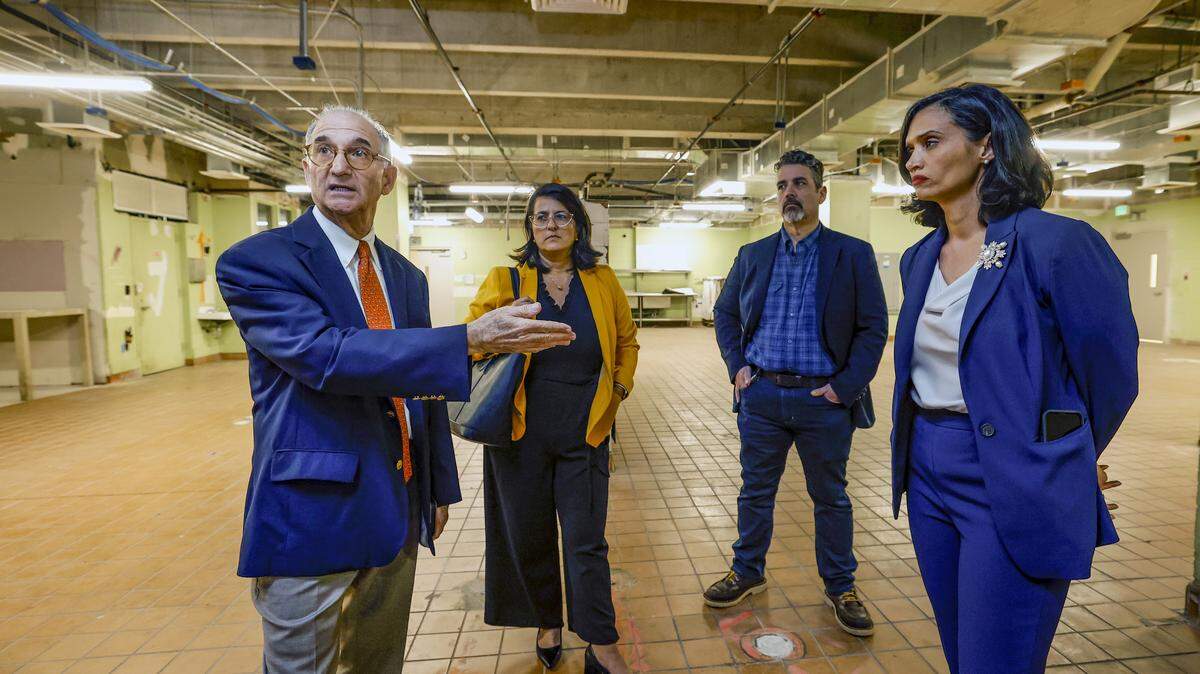
For the few past months, we’ve had a nagging feeling that some Miami-Dade County commissioners were looking for ways to kill a mental health treatment project that’s ready to open in Miami’s urban core — a project that has been planned for about two decades.
Last Wednesday, after a four-hour workshop, the commission looked closer to finally approving the Miami Center for Mental Health and Recovery. The seven-floor facility near Allapattah and Wynwood would provide one-stop-shop care for people with mental illness, in particular those who are homeless and cycling in and out of jail, and help them reintegrate into society.
There are still questions about how to fund the project in the long term considering the county’s projected budget deficits in coming years. The commission must do its due diligence and ask tough questions. But commissioners shouldn’t question this worthy project to death, as it has often seemed while the center’s approval stalled.
Miami-Dade already has spent $50 million to build the mental health center after voters approved its financing in 2004 — so what does the county gain by letting it sit empty? After delays, the facility is finally ready to open, but that won’t happen without a vote by the full county commission.
Retired County Judge Steve Leifman, the center’s biggest champion, told the Herald Editorial Board he believes he has enough support for approval — nine out of 13 commissioners. Chairman Anthony Rodriguez, who controls the board’s agenda and is one of the biggest critics of the project, has not scheduled a vote.
“I think I speak for everyone when I say that we all want this to come to fruition; it needs to be done responsibly,” Rodriguez said at the Wednesday workshop.
Rodriguez accused the administration of Mayor Daniella Levine Cava and center advocates of pushing a “half-baked” idea. Certainly, there has been confusion about the project’s finances. A county staff presentation on Wednesday didn’t entirely clear it up, either. The presentation showed a two-year plan that would cost a total of $38.3 million in operations and building maintenance, but staff later said they secured enough funding for the first three years of operation.
The endless questioning from Rodriguez and some of his colleagues, mainly Commissioner Danielle Cohen Higgins, are also part of the problem. They requested a 10-year funding plan for the center — a tall order that isn’t normally requested for other projects — but county staff said that would likely produce inaccurate data.
The county won’t need to spend general fund dollars for the first three years of operation because that’s covered by leftover federal pandemic dollars and Miami-Dade’s share of a national settlement in an opioid lawsuit against drug companies, Leifman said. After that, there will still be some opioid dollars left and, with the center running, it will be easier to apply for grants and access Medicaid dollars that are otherwise unavailable when patients are in the county jail, he said.
Part of Wednesday’s conversation centered on whether the building would pay for itself by saving the county dollars. Rodriguez said supporters have misleadingly said that it would. That may be true but a program like this has a higher purpose: to reduce the number of mentally ill people cycling in and out of the jail, where, incidentally, they cost taxpayers a lot of money. We’re paying for society’s failure to address acute mental illness one way or another.
“The thought that this should be self-sustainable is ridiculous,” Commissioner Vicki Lopez said.
Lopez put it best: Miami-Dade will be dealing with a “decreasing pot of money” in the future and “we will have to make the hard choices. And for me, it will always be people over buildings, and then those people vulnerable over not-so-vulnerable.”
Those hard choices may involve, as Cohen Higgins suggested, defunding commissioners’ pet projects — often approved without the kind of scrutiny that the mental health center has received. Among them, as the Herald reported, is the CountryFest rodeo hosted by Rodriguez and a Hometown Heroes parade Cohen Higgins sponsors every year.
Government budgets are about priorities. We already know that the way we deal with acute mental illness isn’t working. Miami-Dade should make it a priority to change the status quo.
BEHIND THE STORY
MOREWhat's an editorial?
Editorials are opinion pieces that reflect the views of the Miami Herald Editorial Board, a group of opinion journalists that operates separately from the Miami Herald newsroom. Miami Herald Editorial Board members are: opinion editor Amy Driscoll and editorial writers Isadora Rangel and Mary Anna Mancuso. Read more by clicking the arrow in the upper right.
What's the difference between an op-ed and a column?
How does the Miami Herald Editorial Board decide what to write about?
The Editorial Board, made up of experienced opinion journalists, primarily addresses local and state issues that affect South Florida residents. Each board member has an area of focus, such as education, COVID or local government policy. Board members meet daily and bring up an array of topics for discussion. Once a topic is fully discussed, board members will further report the issue, interviewing stakeholders and others involved and affected, so that the board can present the most informed opinion possible. We strive to provide our community with thought leadership that advocates for policies and priorities that strengthen our communities. Our editorials promote social justice, fairness in economic, educational and social opportunities and an end to systemic racism and inequality. The Editorial Board is separate from the reporters and editors of the Miami Herald newsroom.
How can I contribute to the Miami Herald Opinion section?
The Editorial Board accepts op-ed submissions of 650-700 words from community members who want to argue a specific viewpoint or idea that is relevant to our area. You can email an op-ed submission to oped@miamiherald.com. We also accept 150-word letters to the editor from readers who want to offer their points of view on current issues. For more information on how to submit a letter, go here.