
Florida legalized online sports betting. Now it can’t ignore the costs | Opinion
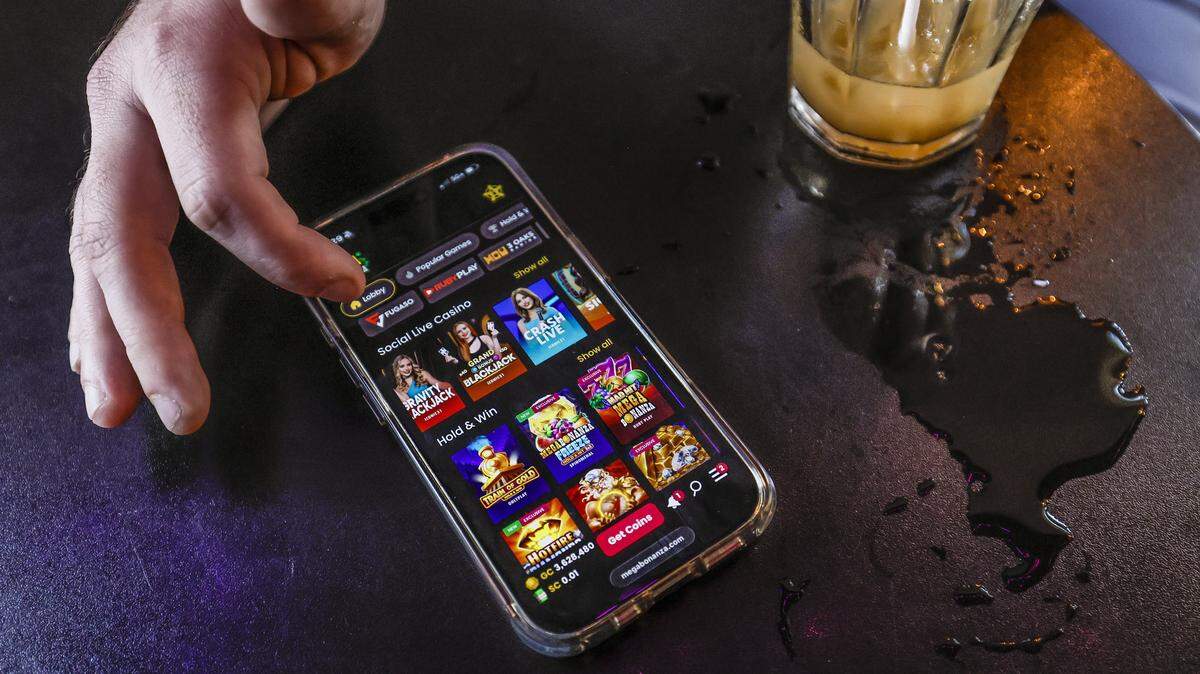
Florida legalized online sports betting, but it didn’t build in enough safeguards to manage the consequences. Now the Sunshine State is beginning to see the ramifications.
Florida has been home to casinos for decades, including the Seminole Tribe’s casinos in Hollywood and Tampa. They’ve long been fixtures of the state’s economy, but they were bound by physical buildings and geography. That changed in 2023 when Florida’s legal online sportsbook, Hard Rock Bet, began accepting bets. This was a result of a gaming compact Gov. Ron DeSantis signed with the Seminole Tribe of Florida in 2021, granting the Tribe exclusive rights to run sports betting in the state through 2051.
The shift from a casino floor to a smartphone app was a fundamental change — and not for the better.
Traditional barriers that once defined gambling have been erased. Driving to the casino has been replaced with logging onto an app. Credit and debit cards have replaced the need for cash. The barriers to entry are gone — by design — making gambling accessible to anyone over 21 with a smartphone.
Online sports betting introduced new dynamics. Micro-bets allow users to put money on every moment of a game, creating a cycle of risk and reward. Promotional incentives are offered to new customers to place their first bets. The result is an environment that can quickly blur the line between entertainment and compulsion.
The consequences are starting to show, as the Miami Herald recently reported. Calls to the Florida Council on Compulsive Gambling, an online gambling helpline, have increased 138% between 2023 and 2025, the Herald reported. Even more troubling, 18- to 25-year-olds now account for 41% of callers — an increase of 10% since online betting began. The rise in young adults calling the hotline over the course of two years warrants attention.
Florida is far from alone in allowing this kind of gambling. Thirty states have legalized online sports betting, and some have taken steps to install guardrails. Should Florida be thinking about some of these steps?
Mississippi and Montana restrict mobile betting to only operate in licensed retail locations or casinos. Washington state has some of the most stringent laws on the books: Washingtonians can only place wagers on mobile apps while in tribal-run casinos or physically on tribal land.
Other states are considering how far restrictions should go. In Ohio, the Save Ohio Sports Act was introduced by three Republican legislators to tighten sports book ads, puts restrictions on wagers and ban the use of credit cards to gamble. Even Ohio Gov. Mike DeWine, who once supported online sports betting, has expressed regret over how quickly the industry has expanded.
Florida, by contrast, is one of the most permissive and least protective states in the country, according to experts cited by the Herald. The measures that do exist are reactive — designed to help people after addiction takes hold, not before.
That should change.
There are practical steps the Legislature could consider. Banning the use of credit cards for sports betting, for example, could help reduce consumer debt and addiction. That is already being done in six states, including Massachusetts and Tennessee. Requiring direct bank account connections, limits on promotional inducements and clearer disclosures would also help. Currently, the Seminole Tribe funds Florida’s main gambling hotline. In 2023, the Legislature considered an addictive gambling prevention bill to dedicate a portion of gross gaming revenue toward a prevention program. The bill died in the Senate.
The Herald Editorial Board has long opposed the expansion of gambling. Making it more accessible through a smartphone only increases the risk of addiction and debt. That’s especially true for younger users who may be more impulsive.
Online sports betting has brought convenience for gamblers, revenue for the gaming industry and a lot of money for the state. Florida gets a 13.75% cut on the Seminole Tribe’s net winnings from sports betting, an estimated $359 million this fiscal year.
But it has also delivered consequences that are becoming harder to ignore. Legalizing it was a choice. And refusing to address its consequences would be a mistake.
BEHIND THE STORY
MOREWhat's an editorial?
Editorials are opinion pieces that reflect the views of the Miami Herald Editorial Board, a group of opinion journalists that operates separately from the Miami Herald newsroom. Miami Herald Editorial Board members are: opinion editor Amy Driscoll and editorial writers Isadora Rangel and Mary Anna Mancuso. Read more by clicking the arrow in the upper right.
What's the difference between an op-ed and a column?
How does the Miami Herald Editorial Board decide what to write about?
The Editorial Board, made up of experienced opinion journalists, primarily addresses local and state issues that affect South Florida residents. Each board member has an area of focus, such as education, COVID or local government policy. Board members meet daily and bring up an array of topics for discussion. Once a topic is fully discussed, board members will further report the issue, interviewing stakeholders and others involved and affected, so that the board can present the most informed opinion possible. We strive to provide our community with thought leadership that advocates for policies and priorities that strengthen our communities. Our editorials promote social justice, fairness in economic, educational and social opportunities and an end to systemic racism and inequality. The Editorial Board is separate from the reporters and editors of the Miami Herald newsroom.
How can I contribute to the Miami Herald Opinion section?
The Editorial Board accepts op-ed submissions of 650-700 words from community members who want to argue a specific viewpoint or idea that is relevant to our area. You can email an op-ed submission to oped@miamiherald.com. We also accept 150-word letters to the editor from readers who want to offer their points of view on current issues. For more information on how to submit a letter, go here.