
Miami-Dade kicked the can down the road. A new budget chief won’t change that | Opinion
Best of luck to Miami-Dade’s new chief budget chief, Ray Baker. He’s going to need it.
Mayor Daniella Levine Cava announced Jan. 6 that she was moving veteran budget director David Clodfelter into a new county position and choosing Baker, who has been running the county’s library system since 2017, as the new head of the Office of Management and Budget.
That’s no small job. The county’s current budget is a cool $12.9 billion. Last year’s financial headwinds haven’t gone away.
The timing for the change is interesting, too. The county is fresh off last fall’s painful budget fight, when a $400 million budget gap ultimately was plugged with some one-time revenues and other short-term steps. But summer, when the mayor must submit a proposal for next year’s budget, is coming fast. Will we see another budget recommendation that includes items like the ones that caused such concern last time, such as layoffs, service cuts and fee hikes?
As Levine Cava said in her memo announcing the changes, “The year ahead is expected to be both critical and challenging from a fiscal and operational standpoint.”
No doubt. Things certainly have changed since Clodfelter came into the job in 2020, when Levine Cava was first elected mayor. There was federal COVID money and the real estate boom. Levine Cava secured 1% cuts in the countywide tax rate two years in a row — and then was reelected in 2024.
But monetary storm clouds were gathering, and elected officials knew it. Property values were still rising, sure, but stimulus money was ending. There had been union-negotiated raises for employees, $46 million in funding and services was pledged for the 2026 World Cup games and the county had bumped up funding for charities during the pandemic.
The 2025 budget also had to include funding for three independent offices of newly elected officials — sheriff, supervisor of elections and tax collector.
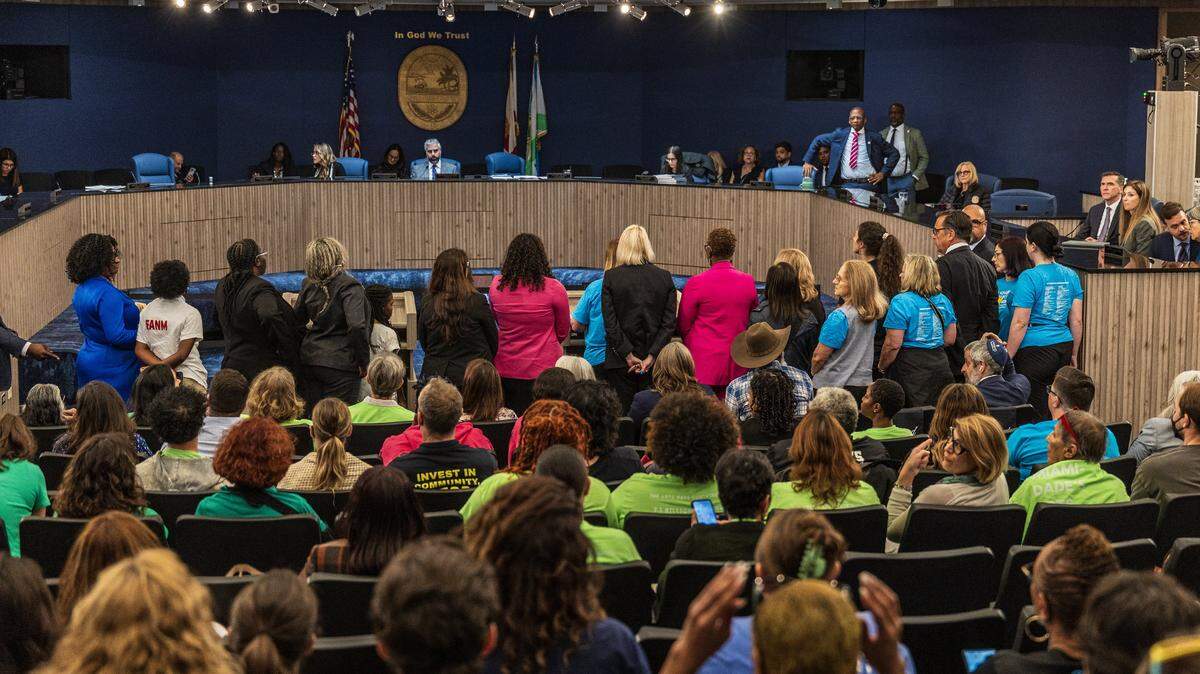
So last year, Clodfelter’s office helped Levine Cava craft an austerity proposal to present to the county commission. A huge outcry followed — hardly unexpected — with much of it focused on proposed cuts to nonprofits and charities that rely on county funding to provide services like elderly home care. Eventually, the county mostly backed off, finding ways to fill the holes. Even a proposal to increase public transit fees was scrapped amid the anger of riders.
We get it. Those were hard decisions for politicians. No one wants to be considered the heartless commissioner who cut money for the elderly. But making unpopular decisions is part of the responsibility of an elected official, and pushing the problems off for a year doesn’t do much to solve them.
Now, as 2026 begins, the mayor is making Clodfelter a “strategic advisor” and putting Baker, who was once was an analyst in the county budget office, into the hot seat.
The mayor, in a statement to the Editorial Board, said this was the “appropriate moment to take the next step in the department’s leadership to ensure it is well positioned for the work ahead. Decisions like these are a normal part of leadership, and making adjustments over time helps ensure the department is ready for what’s ahead with fresh perspective and a clear focus on the upcoming budget work.”
We hope that’s true. Because if times are as tight this year as they were last year, Baker will have his work cut out for him.
One place to start would be creating a real way to fund nonprofits and making sure they go through a uniform competitive process when they apply for county money, something Commissioner Natalie Milian Orbis asked about last fall. No one wants to go through the same distressing exercise of last year, with nonprofits struggling to prove their worth at the last minute.
Changing budget chiefs won’t change the problems. The most important thing that Miami-Dade commissioners and the mayor do each year is pass a budget that shows they are good stewards of taxpayer dollars. After last year’s tumultuous budget hearings, they should make that their No. 1 task in 2026.
BEHIND THE STORY
MOREWhat's an editorial?
Editorials are opinion pieces that reflect the views of the Miami Herald Editorial Board, a group of opinion journalists that operates separately from the Miami Herald newsroom. Miami Herald Editorial Board members are: opinion editor Amy Driscoll and editorial writers Isadora Rangel and Mary Anna Mancuso. Read more by clicking the arrow in the upper right.
What's the difference between an op-ed and a column?
How does the Miami Herald Editorial Board decide what to write about?
The Editorial Board, made up of experienced opinion journalists, primarily addresses local and state issues that affect South Florida residents. Each board member has an area of focus, such as education, COVID or local government policy. Board members meet daily and bring up an array of topics for discussion. Once a topic is fully discussed, board members will further report the issue, interviewing stakeholders and others involved and affected, so that the board can present the most informed opinion possible. We strive to provide our community with thought leadership that advocates for policies and priorities that strengthen our communities. Our editorials promote social justice, fairness in economic, educational and social opportunities and an end to systemic racism and inequality. The Editorial Board is separate from the reporters and editors of the Miami Herald newsroom.
How can I contribute to the Miami Herald Opinion section?
The Editorial Board accepts op-ed submissions of 650-700 words from community members who want to argue a specific viewpoint or idea that is relevant to our area. You can email an op-ed submission to oped@miamiherald.com. We also accept 150-word letters to the editor from readers who want to offer their points of view on current issues. For more information on how to submit a letter, go here.