
Tick-tock, DeSantis — Miami district is waiting for you to call a special election | Opinion
It’s been 28 days since former Republican state Rep. Vicki Lopez was appointed to the Miami-Dade County commission, leaving her seat in the Florida House vacant. Lopez filled the seat former Commissioner Eileen Higgins left to run for — and later become — Miami mayor.
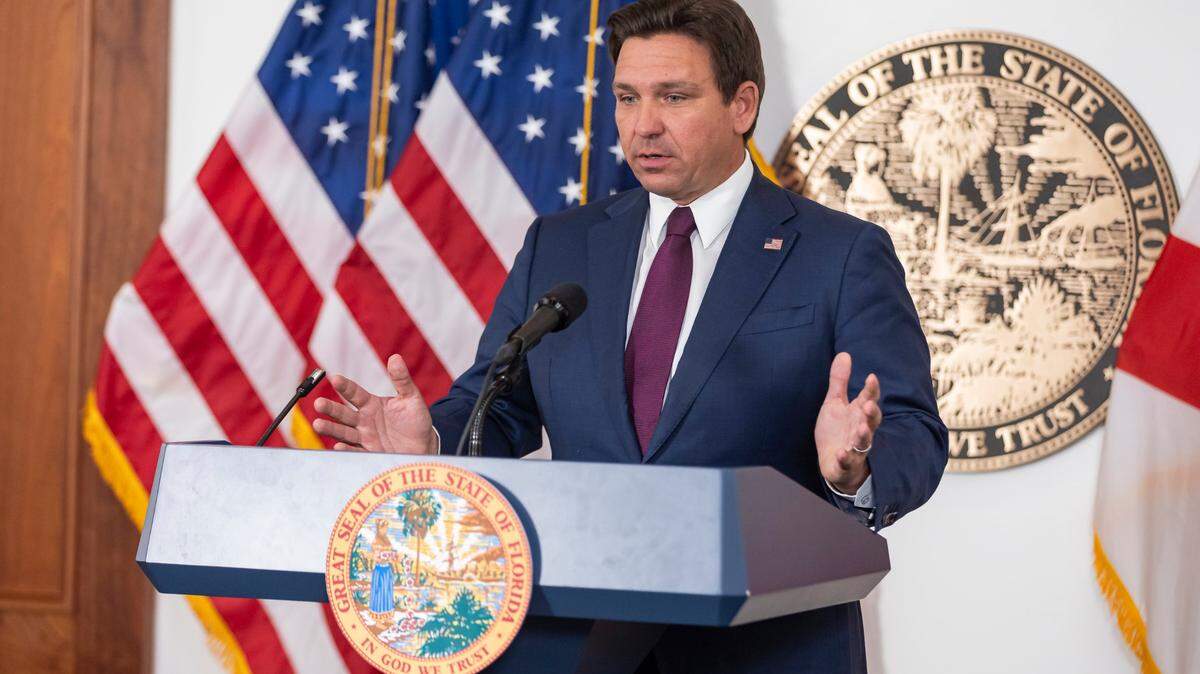
Yet, Gov. Ron DeSantis hasn’t called a special election to replace Lopez. When the legislative session begins on Jan. 13, over 75,000 Floridians in Miami-Dade County will be without representation in the Florida House.
The vacancy is a result of the governor’s inaction — inaction that appears to be a calculation by DeSantis to avoid a Democratic Party victory in District 113. Alas, voters will pay the cost.
The seat has been empty since last month, and DeSantis has yet to produce a timeline or show any signs of urgency. At this time, a special election doesn’t look like it will take place anytime soon. When the Miami Herald asked about the delay, the governor’s office didn’t offer comment and instead shared where updates about special elections will be posted.
It looks like the governor is playing politics, and this isn’t a first for DeSantis.
In September, the governor waited to fill Jay Collins’ Senate seat in Hillsborough County after he was appointed lieutenant governor. The American Civil Liberties Union filed a lawsuit against DeSantis for violating his lawful duties, the Herald reported. He eventually scheduled a general election on March 24, after the end of the legislative session, meaning those voters will also go without representation.
This is a troubling pattern from a governor whose party prides itself on the belief in upholding democratic institutions.
While Florida law doesn’t outline how fast the governor must call a special election, DeSantis has taken longer to schedule special elections compared to his predecessors. An analysis by the ACLU, reported by the Herald, shows previous governors have taken an average of eight days following a vacancy to call a special election.
We understand that some discretion is reasonable, and the governor should have the ability to decided when a special election will take place — it allows for orderly planning and managing the logistics surrounding these elections.
However, discretion isn’t the same as unlimited — or, apparently, intentional— delay.
Leaving Lopez’s seat open undermines representation. As lawmakers in Tallahassee debate key policy issues and oversee the state budget, residents of Lopez’s old district aren’t merely being underrepresented, they’re being excluded from the entire legislative process. No one is speaking up on their behalf.
That’s why special elections must be met with urgency.
It’s hard to overlook the apparent political games DeSantis is playing. Lopez flipped her district in 2022, adding to the GOP’s majority in the state House. With independents leading voter registrations, District 113 is one of the few swing House districts left in South Florida. It covers Key Biscayne, Brickell, Shenandoah and parts of downtown Miami and Little Havana.
Now Democrats see momentum in Miami-Dade as President Trump’s approval rates continue to sag and following the victories of Higgins in Miami and Monica Matteo-Salinas to the Miami Beach Commission. Although they ran in nonpartisan elections, both are registered Democrats.
The GOP may be right to worry. Without Lopez — a moderate Republican and respected lawmaker — Democrats have a shot. Nevertheless, that concern isn’t a legitimate excuse to delay an election. Special elections are unpredictable and favor the party whose voters turnout.
Calling a special election shouldn’t require legal intervention in the form of a lawsuit. Voters are constitutionally entitled to representation. The governor should fulfill his obligation and call the special election — now.
BEHIND THE STORY
MOREWhat's an editorial?
Editorials are opinion pieces that reflect the views of the Miami Herald Editorial Board, a group of opinion journalists that operates separately from the Miami Herald newsroom. Miami Herald Editorial Board members are: opinion editor Amy Driscoll and editorial writers Isadora Rangel and Mary Anna Mancuso. Read more by clicking the arrow in the upper right.
What's the difference between an op-ed and a column?
How does the Miami Herald Editorial Board decide what to write about?
The Editorial Board, made up of experienced opinion journalists, primarily addresses local and state issues that affect South Florida residents. Each board member has an area of focus, such as education, COVID or local government policy. Board members meet daily and bring up an array of topics for discussion. Once a topic is fully discussed, board members will further report the issue, interviewing stakeholders and others involved and affected, so that the board can present the most informed opinion possible. We strive to provide our community with thought leadership that advocates for policies and priorities that strengthen our communities. Our editorials promote social justice, fairness in economic, educational and social opportunities and an end to systemic racism and inequality. The Editorial Board is separate from the reporters and editors of the Miami Herald newsroom.
How can I contribute to the Miami Herald Opinion section?
The Editorial Board accepts op-ed submissions of 650-700 words from community members who want to argue a specific viewpoint or idea that is relevant to our area. You can email an op-ed submission to oped@miamiherald.com. We also accept 150-word letters to the editor from readers who want to offer their points of view on current issues. For more information on how to submit a letter, go here.