
An 11th-hour decision to back out of Miami mental health center? That’s a mistake | Opinion
There has been a big crackdown on homelessness in Florida, with local and state bans on public encampments that risk worsening the street-to-jail-back-to-street cycle that makes this problem so hard to solve. That’s why officials across South Florida have been touting a planned facility that would treat some of the most acute cases of people suffering from mental health issues. The facility would keep individuals off the streets and out of jail, where they cost taxpayers millions.
After nearly two decades of work and advocacy, the Miami Center for Mental Health and Recovery has been built and could soon open in Allapattah. But a crucial vote by the Miami-Dade County Commission on Tuesday could derail the project, leaving the program in limbo. Worse, we worry it would dismantle the mission to address mental health, and its impact on society, in a meaningful way.
That would be a mistake.
For years, homeless advocates and elected officials have told us that the main reason people end up living on the streets is untreated mental illness and addiction. Law enforcement is tired of saying jails cannot be warehouses for the mentally ill who commit petty crimes. In fact, about two-thirds of Miami-Dade’s jail population suffers from mental health problems, retired Miami-Dade Circuit Court Judge Steve Leifman told the Herald Editorial Board.
As the Herald reported, some county commissioners appear inclined to reject an operating and funding plan for the center. A projection provided by Leifman to the Editorial Board shows the county would save $32.2 million annually in reduced jail costs. Some commissioners, however, question whether tax dollars would truly be spared as Miami-Dade braces for future budget shortfalls.
“I cannot see us making our financial situation in this county so substantially worse by adopting a project like this that we do not have the money to pay for,” Commissioner Danielle Cohen Higgins said during a Dec. 10 budget hearing.
Fiscal responsibility is good, but the timing here is odd.
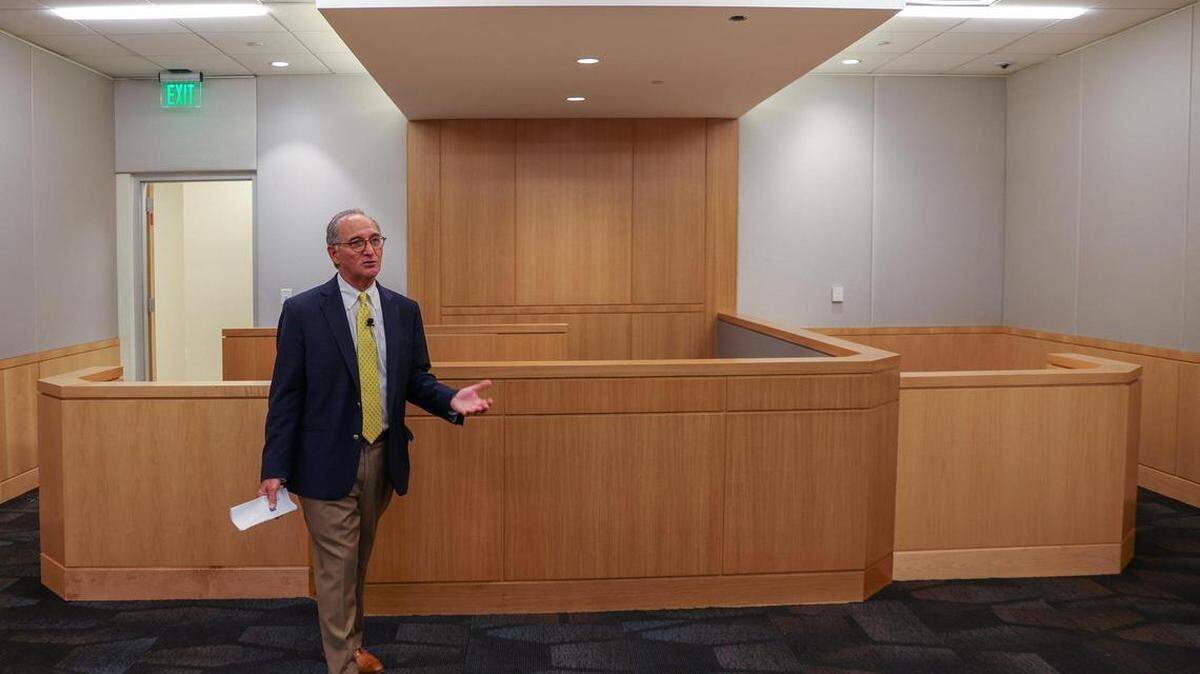
It’s been over two decades since voters approved a bond referendum that has partially funded the $50 million center construction. After many delays, the facility could finally open if it receives county approval and a necessary city permit, said Leifman, the project’s decades-long champion. The county already has found a mental-health care provider to run the operations.
The Miami Center for Mental Health and Recovery is not a concept or long-shot idea. The County Commission has long been aware this was coming.
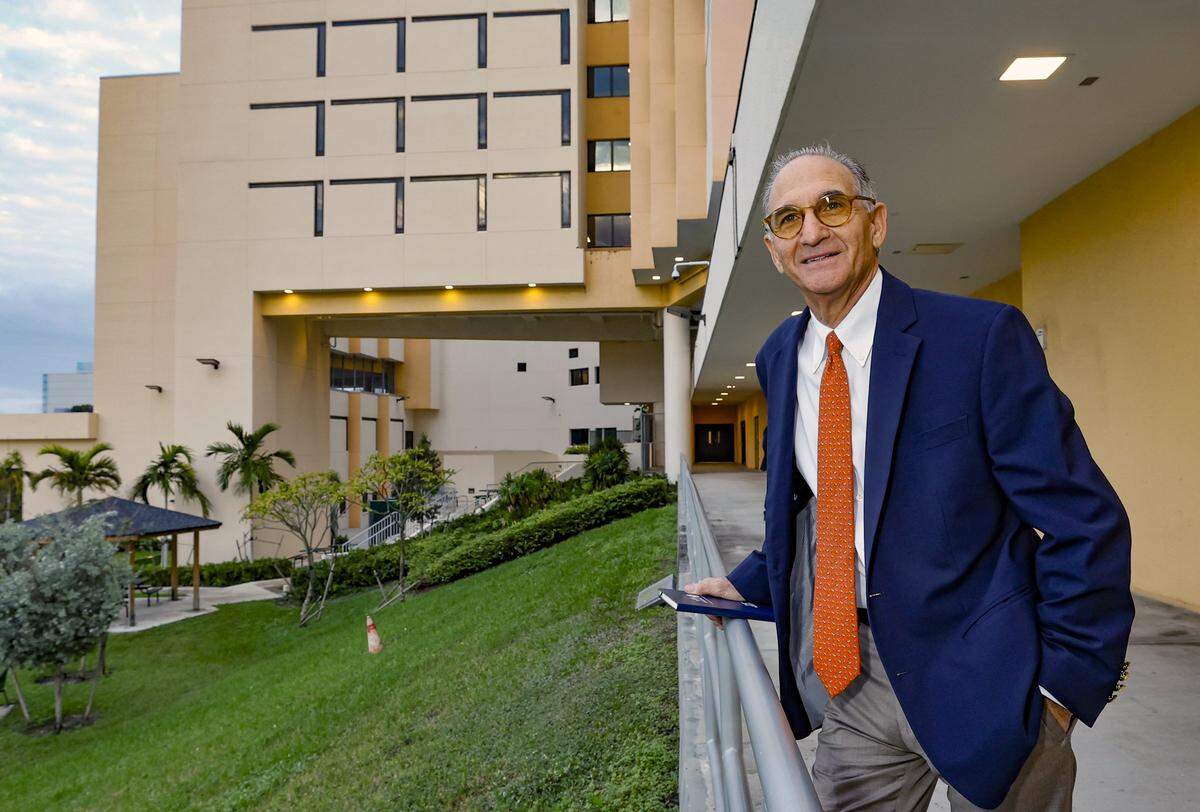
In the first two years, pandemic relief dollars and proceeds from an opioid settlement would pay for the operations, Leifman said. Some commissioners are worried about the $10 million annual cost after that. But, according to Leifman, Miami-Dade would spend about $7 million annually to maintain the 160,000-square-foot complex even if it doesn’t open.
The Miami Center for Mental Health and Recovery is unique because it would be a one-stop center for primary care, including dental care and psychiatric services. Medicaid can reimburse a portion of those costs, which doesn’t happen when patients are getting treatment in jail, Leifman said. With 75 beds currently funded for treatment, the plan is to expand capacity to more than 200 people a day, the Herald reported.
The goal is to serve not only people who are arrested, but also those who enter voluntarily. The center would have crisis units, short-term living space and longer-term housing. Patients would be able to stay up to a year, with full transitional services to help ease them back into the community. A small courtroom would eliminate the bureaucracy and disruption of transferring people for hearings.
This integrated approach is what attracted Miami-Dade officials. A decision to abruptly back out would be shocking and misguided. If that’s how the commission votes on Tuesday, then what’s the alternative to address the county’s mental health needs?
BEHIND THE STORY
MOREWho decides the political endorsements?
In advance of local and state elections, Miami Herald Editorial Board members interview political candidates, as well as advocates and opponents of ballot measures. The Editorial Board is composed of experienced opinion journalists and is independent of the Herald’s newsroom. Members of the Miami Herald Editorial Board are: Amy Driscoll, editorial page editor; and editorial writers Isadora Rangel and Mary Anna Mancuso. Read more by clicking the arrow in the upper right.
What does the endorsement process look like?
The Miami Herald Editorial Board interviews political candidates to better understand their views on public policy and how their policies will affect their constituents. Board members do additional reporting and research to learn as much as possible about the candidates before making an endorsement. The Editorial Board then convenes to discuss the candidates in each race. Board members seek to reach a consensus on the endorsements, but not every decision is unanimous. Candidates who decline to be interviewed will not receive an endorsement.
Is the Editorial Board partisan?
No. In making endorsements, members of the Editorial Board consider which candidates are better prepared to represent their constituents — not whether they agree with our editorial stances or belong to a particular political party. We evaluate candidates’ relevant experience, readiness for office, depth of knowledge of key issues and understanding of public policy. We’re seeking candidates who are thoughtful and who offer more than just party-line talking points.