Where will Miami Seaquarium’s marine mammals go? They deserve a happy ending, too | Opinion
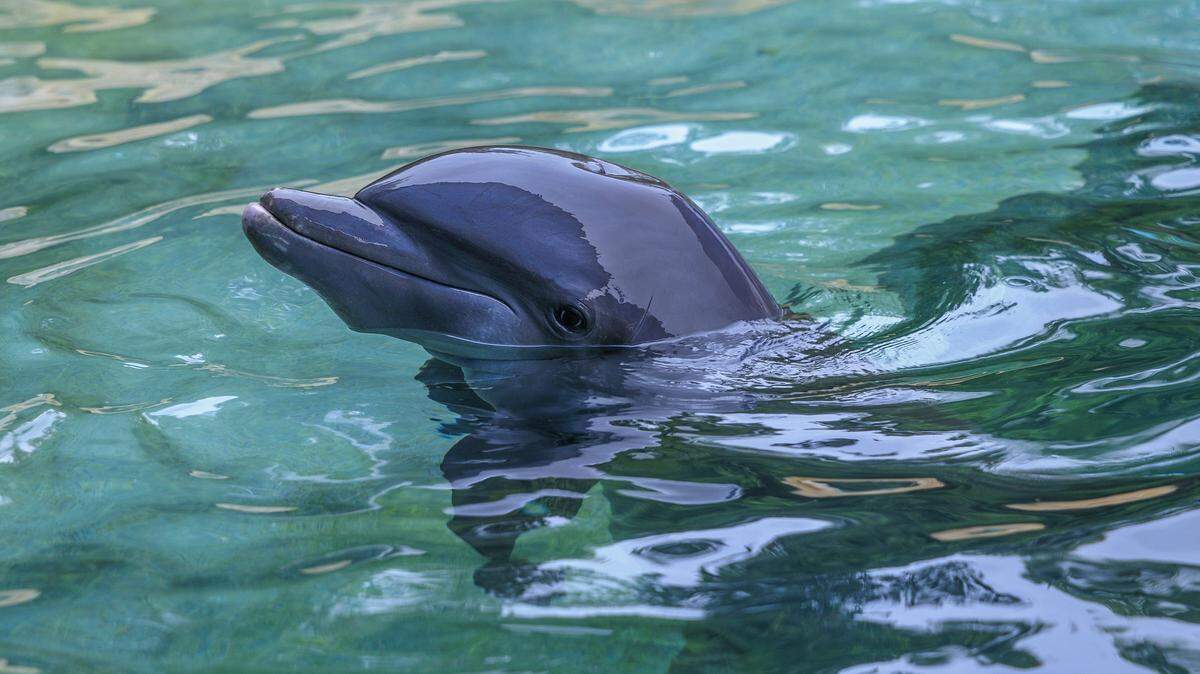
For 70 years, dolphins, sea lions and the late orca Lolita have been the stars at the Miami Seaquarium, their performances putting the theme park on the map for tourists and locals.
Now the Seaquarium has closed, its parent company is going through bankruptcy and a $100 million commercial and marina redevelopment is planned for the site. Miami developer David Martin’s proposed project includes a baywalk promenade, a restaurant complex and an aquarium that won’t house marine mammals, the Herald reported.
Those animals are expected to be relocated by the end of 2025, and plans on where exactly they will go have not been made public. The mammals gave the Seaquarium its fame — and infamy among animal rights activists — and must be treated as a priority, not just as a line item during a bankruptcy.
It’s too late for Lolita, who died in 2023 before a complicated relocation plan could come into fruition and after years of protests over her living in the nation’s smallest orca tank. There are about 500 animals still at the park — including lizards, parrots, flamingos and penguins — but marine mammals are harder to relocate, County Commissioner Raquel Regalado, who’s representing Miami-Dade’s interests in bankruptcy court, told the Herald Editorial Board.
The Seaquarium has had a spotty record on animal welfare. In 2024, after the facility faced a string of critical federal inspections and animal deaths, the Herald Editorial Board wrote: “There’s a legitimate question on whether animal welfare is taking a back seat to profits.” Those conditions drove the county, which owns the property on Virginia Key, to try to evict the Seaquarium last year.
With the Seaquarium under financial strain, those concerns still exist.
As the Herald reported last month, the Dolphin Company, which owns the facility, has said it hired a consultant specializing in animal transfers. The federal government, which overseas the care of marine mammals, will be involved, and the county will be notified about the animals’ whereabouts and ensure regulations are followed, Regalado said.
“The Company’s experienced and knowledgeable team of staff, animal welfare specialists, and medical professionals will support and supervise the process and ensure that all of the Company’s animals are treated in accordance with industry standards and all applicable state and federal regulations with respect to the animals’ treatment and transport,” a Dolphin Company subsidiary wrote in a “frequently asked questions” document.
Regalado and the organization People for the Ethical Treatment of Animals (PETA) believe each mammal should be evaluated individually based on their age and health. “They are all so different,” Regalado said.
Amanda Brody, community manager at PETA, told the Editorial Board the animals should be evaluated for rehabilitation and potential release into the wild. And “for the animals who cannot be safely returned” to their natural habitat, “they should be sent to reputable sanctuaries where they can at least get the care that they need and have more room to roam swim or fly,” Brody said.
But Regalado said Seaquarium trainers have told her that sanctuaries can deprive some of the animals from the human contact they have grown used to. Releasing them into nature when they are used to captivity and being fed by humans is also tricky, she said.
The less desirable option would be to move the animals to perform at another marine theme park. It’s hard to tell whether that’s a possibility, as those attractions have become less popular over the years.
“The closure of the Seaquarium is a huge sign that the public is moving away from wanting to see animals in tiny tanks and enclosures,” Brody said.
The end of the Seaquarium is a turning point for Miami and the fight for marine mammal rights. The future home of the dolphins, sea lions and others might not please the activists who have long protested outside the attraction. Animal relocations are a complex process without a straightforward solution.
But the least we can expect is for that to happen in a humane and reasonable manner.