
Miami Seaquarium’s problems didn’t end with Lolita’s death. Its value is under question | Opinion
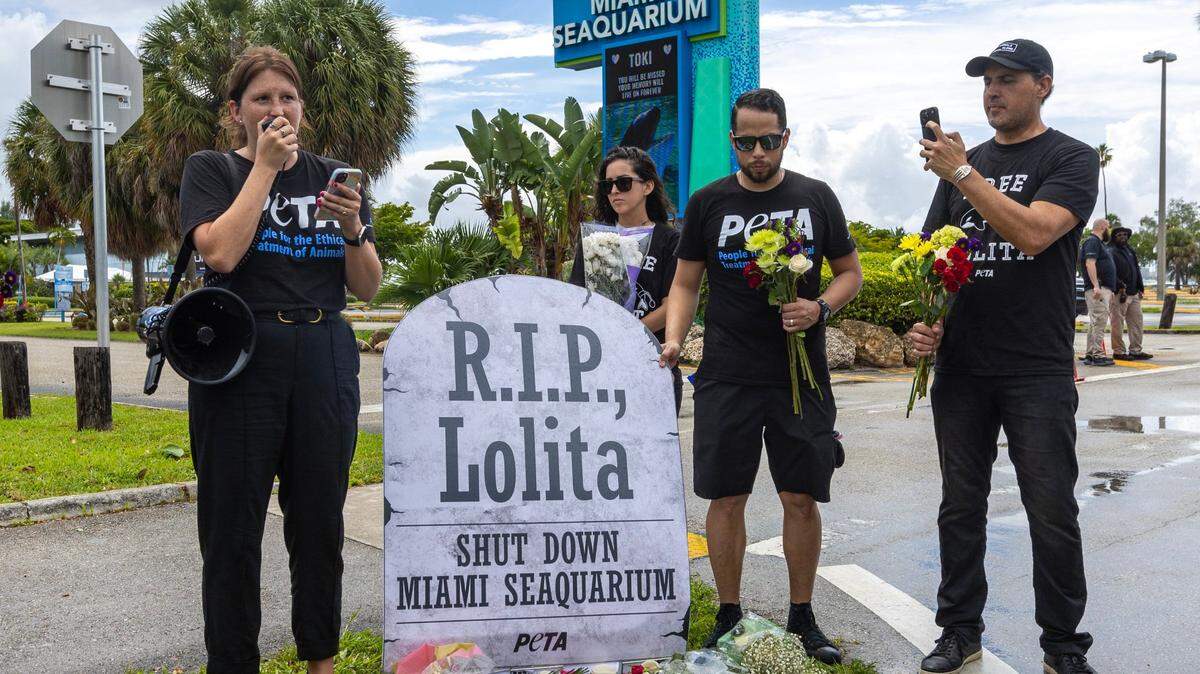
The Miami Seaquarium is a landmark and a sore spot for South Florida.
The Virginia Key marine park helped make Miami a popular tourist destination in the 1960s and ‘70s. It’s where episodes of the popular TV show “Flipper” were shot. But its time has passed. Paying to watch marine mammals in captivity perform was once entertaining, but now feels out of step with animal rights.
The Seaquarium itself has hurt its own cause. Home to Lolita, who died last year after spending much of her life in America’s smallest orca tank, the attraction has also been subject of a string of critical federal animal welfare inspection reports in the past years. There’s a legitimate question on whether animal welfare is taking a back seat to profits at the aging attraction.
The park sits on taxpayer-owned land it has leased from the county since 1954, so scrutiny from the public and elected officials is warranted. If the Seaquarium cannot resolve issues that appear to be perennial and then reinvent itself into an attraction that is more conservation oriented, it might no longer be the right fit for Miami-Dade County.
Over the past three years, the U.S. Department of Agriculture has documented the death of marine mammals, bacteria in their pools, poor maintenance of animal facilities, a dolphin with a broken rib and another that ate a piece of concrete from a crumbling pool last year. While some of these problems happened under previous management, they have continued under new owner the Dolphin Company, which purchased the Seaquarium in 2021, raising hopes of a revamp. Four months after taking over, the company was cited for underfeeding nine dolphins as a way of punishment. Management said at the time the animals were put on a diet because they were overweight. A July 2023 inspection found more issues, including under-staffing and lack of needed shade for a manatee.
County Mayor Daniella Levine Cava this week started the process of canceling the county lease with the company, renewed in 2021, citing “repeated” animal welfare violations in a letter to the Dolphin Company.
This month, the USDA issued a “notice of intent to confiscate” four animals following an investigation into the death of a male bottlenose dolphin in late December that found lack of veterinarian care for several animals. Since then, the Seaquarium has taken “necessary corrective action to come into compliance with” federal law, the USDA told Channel 10 Tuesday.
In a news release, the Seaquarium accused Levine Cava’s administration of not reaching out to verify the USDA information or independently confirming it. Since the Dolphin Company began operations, “constant improvements have been made to its animal care programs,” according to the statement. A Seaquarium spokeswoman did not respond to an email with questions from the Herald Editorial Board.
“We reiterate our disappointment with how Miami Dade County has misused the information they claimed they had received from the USDA regarding animal health issues at [Miami Seaquarium],” the release read.
It’s certainly positive that the Seaquarium took “corrective action” after the USDA threatened to remove animals, but we have to wonder whether a scathing federal inspection report was required for that to happen. What’s more concerning is the appearance that animal welfare problems might not be an unfortunate, occasional occurrence but a chronic one that will continue to come to light every few months or years.
As Levine Cava told the Editorial Board in a statement on Thursday: “Although the Seaquarium was recently able to avoid the confiscation of some of the animals, I remain concerned about the poor quality of animal care that has been repeatedly documented by the (USDA) since last year.”
Facing the threat of losing its county lease, the Miami Seaquarium has been put on notice. Management must demonstrate that this is still a source of pride for Miami. Otherwise, it’s time to move away from a relic of a different time.
Click here to send the letter.
BEHIND THE STORY
MOREWhat's an editorial?
Editorials are opinion pieces that reflect the views of the Miami Herald Editorial Board, a group of opinion journalists that operates separately from the Miami Herald newsroom. Miami Herald Editorial Board members are: opinion editor Amy Driscoll and editorial writers Isadora Rangel and Mary Anna Mancuso. Read more by clicking the arrow in the upper right.
What's the difference between an op-ed and a column?
How does the Miami Herald Editorial Board decide what to write about?
The Editorial Board, made up of experienced opinion journalists, primarily addresses local and state issues that affect South Florida residents. Each board member has an area of focus, such as education, COVID or local government policy. Board members meet daily and bring up an array of topics for discussion. Once a topic is fully discussed, board members will further report the issue, interviewing stakeholders and others involved and affected, so that the board can present the most informed opinion possible. We strive to provide our community with thought leadership that advocates for policies and priorities that strengthen our communities. Our editorials promote social justice, fairness in economic, educational and social opportunities and an end to systemic racism and inequality. The Editorial Board is separate from the reporters and editors of the Miami Herald newsroom.
How can I contribute to the Miami Herald Opinion section?
The Editorial Board accepts op-ed submissions of 650-700 words from community members who want to argue a specific viewpoint or idea that is relevant to our area. You can email an op-ed submission to oped@miamiherald.com. We also accept 150-word letters to the editor from readers who want to offer their points of view on current issues. For more information on how to submit a letter, go here.
This story was originally published January 26, 2024 at 6:00 AM.