
NFL’s Bad Bunny pick shows how political league has become | Opinion
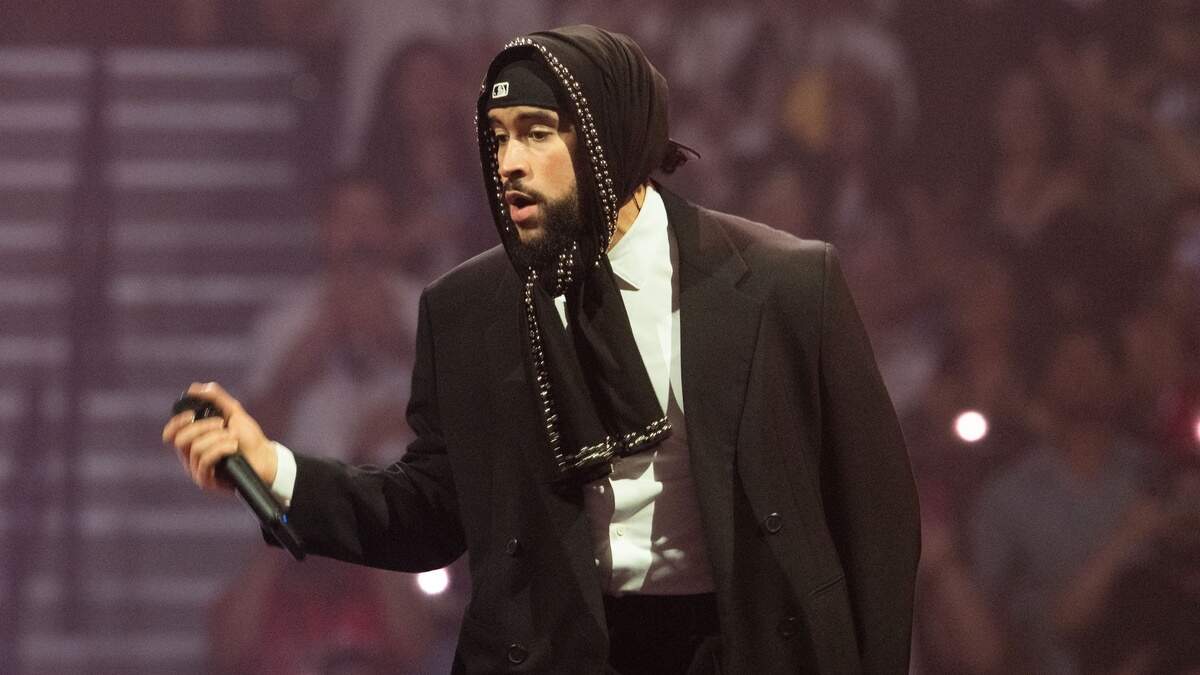
The NFL insists it doesn’t do politics. But in recent years, some of its choices seem to be telling a different story — and its latest Super Bowl halftime show decision, tapping Puerto Rican superstar, solely Spanish-language performer and Miami restaurant owner Bad Bunny, is a case in point.
This means that in a country with an administration hostile to many immigrants, the main act at the only truly American communal event we all watch — the Super Bowl — will be staged in Spanish by a Puerto Rican native. And the NFL encountered massive backlash a day into the announcement.
Once dead set on keeping controversy far from its sidelines — especially after former quarterback Colin Kaepernick’s kneeling protest shook the league — the NFL now seems to accept that sports and politics are intertwined.
Selecting one of the world’s most outspoken Latin artists for the most-watched television event in America shows how the league has become a stage for cultural and political signaling, whether it admits it or not.
Of course, there’s Bad Bunny’s sheer popularity to consider. He’s a musical force. The Grammy winner was the third-most streamed artist globally on Spotify last year and the only Latino to crack the top five. He’s also a defining voice of his generation, not just a performer. But he is also a figure who expresses a political point of view — and that’s what makes this halftime show more than just a booking decision. Bad Bunny has publicly criticized Washington’s neglect of Puerto Rico after Hurricane Maria and even skipped the mainland on his just-ended tour, saying he was concerned that ICE might conduct raids at his U.S. concerts.
After the NFL’s announcement — which came the same day he visited his Miami restaurant — a pleased Bad Bunny reminded us that his songs celebrate Latino identity in America. The NFL knows that message will resonate.
“...this is for my people, my culture and our history,” Bad Bunny said of his famous gig.
The political parallels are impossible to ignore. We know the Trump administration is carrying out mass deportation of Latinos. Against that backdrop, inviting Bad Bunny to the nation’s biggest stage is bound to be seen as a statement. The NFL is acknowledging that Latinos are a vital part of its audience base.
The league didn’t always lean into politics so openly. A decade ago, it punished football players who followed Kaepernick’s example and insisted its focus was football. But times — and demographics — have changed. Since partnering with Jay-Z’s Roc Nation to produce halftime shows, the NFL has wrapped end zones in banners declaring “End Racism” and made space for conversations about justice and equality that it once tried to avoid.
Super Bowl halftime shows and politics have become a flashpoint in that evolution. Kendrick Lamar’s performance last year led to more than 100 complaints to the FCC, many objecting to a lack of white people on stage. In 2020, Shakira and Jennifer Lopez — joined by guests Bad Bunny and J Balvin — included imagery of children in cages, sparking intense political debate.
Each performance stirred controversy far beyond music, and Bad Bunny’s turn is already prompting familiar backlash within the MAGA world.
This is about connecting with younger, more diverse audiences — including millions of Latino fans who make up a critical part of the NFL’s future. And it’s about aligning the league with a broader, more inclusive idea of America at a time when that idea is under attack.
So yes, the NFL is more political than it once was. And yes, choosing Bad Bunny will be seen as a political act, whether the league says so or not. But maybe that’s inevitable.
In 2025, even a football halftime show isn’t just about music. It’s about who we are, who we include — and who we leave out.
BEHIND THE STORY
MOREWhat's an editorial?
Editorials are opinion pieces that reflect the views of the Miami Herald Editorial Board, a group of opinion journalists that operates separately from the Miami Herald newsroom. Miami Herald Editorial Board members are: opinion editor Amy Driscoll and editorial writers Isadora Rangel and Mary Anna Mancuso. Read more by clicking the arrow in the upper right.
What's the difference between an op-ed and a column?
How does the Miami Herald Editorial Board decide what to write about?
The Editorial Board, made up of experienced opinion journalists, primarily addresses local and state issues that affect South Florida residents. Each board member has an area of focus, such as education, COVID or local government policy. Board members meet daily and bring up an array of topics for discussion. Once a topic is fully discussed, board members will further report the issue, interviewing stakeholders and others involved and affected, so that the board can present the most informed opinion possible. We strive to provide our community with thought leadership that advocates for policies and priorities that strengthen our communities. Our editorials promote social justice, fairness in economic, educational and social opportunities and an end to systemic racism and inequality. The Editorial Board is separate from the reporters and editors of the Miami Herald newsroom.
How can I contribute to the Miami Herald Opinion section?
The Editorial Board accepts op-ed submissions of 650-700 words from community members who want to argue a specific viewpoint or idea that is relevant to our area. You can email an op-ed submission to oped@miamiherald.com. We also accept 150-word letters to the editor from readers who want to offer their points of view on current issues. For more information on how to submit a letter, go here.