
For a true revival, Lincoln Road needs to shed its reputation among us locals | Opinion
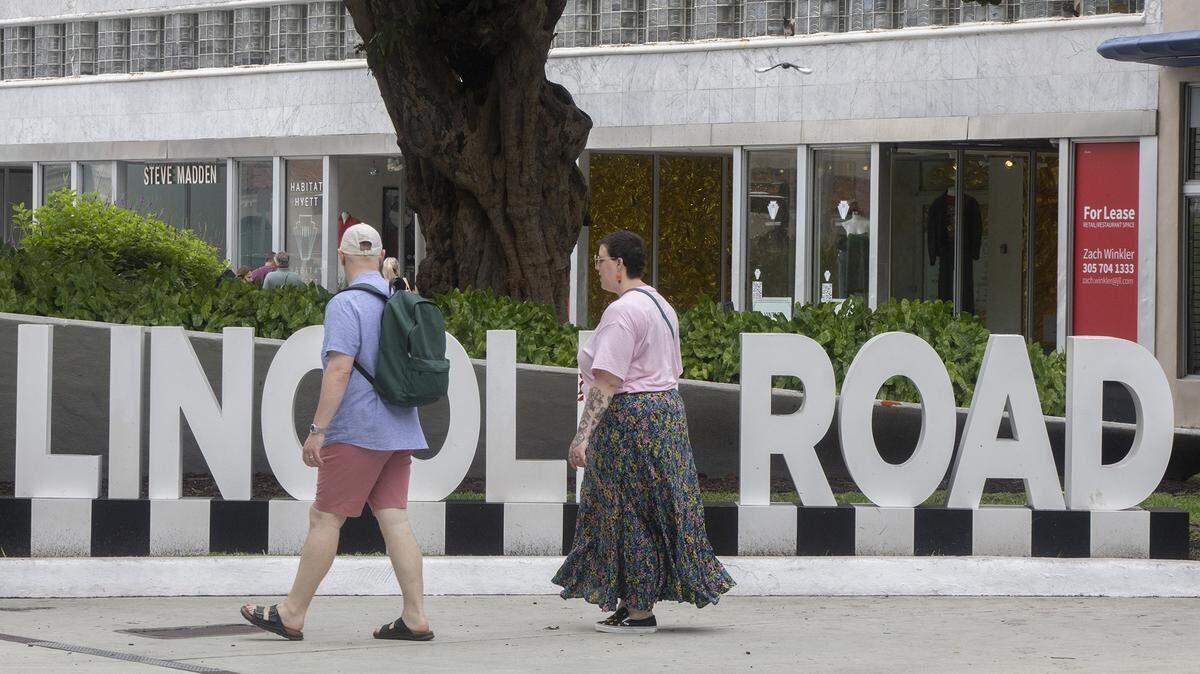
If you live in Miami-Dade County, you have few reasons to go to Lincoln Road these days.
To go shopping at big-box stores such as Zara or H&M, you’re better off staying heading to Aventura, Brickell City Center or another mall. If you’re looking for dining, you know to avoid some of the cafés that line up the road trying to lure in tourists with giant menus placed outside and overbearing hosts who give parts of Miami Beach the reputation of a tourist trap.
Lincoln Road should rival Coconut Grove, Wynwood and the Design District as a destination for both locals and tourists. The Miami Beach pedestrian mall has the space and the location to thrive, but its days of glory are, sadly, in the past.
Now, a $29.4 million revitalization project promises to restore the beauty and architecture that once made this a top South Florida open-air gathering spot. The project includes, among other features, building an informal amphitheater at the intersection with Drexel Avenue for live events, expanding pedestrian-only areas, creating better sidewalks and landscaping with a new irrigation system and redoing the famous black-and-white, piano-key designs on the pavement dreamed up by Miami Modern architect Morris Lapidus.
These improvements are overdue and welcome. But to turn Lincoln Road into a place that’s not only for tourists but for locals, too, a transformation needs to happen, starting with filling the many empty storefronts that can give the mall an eerie feel when tourist crowds are gone.
Ideally, the road would be lined not only by stores you can find at any shopping center but also by local businesses, boutiques, book stores — the Lincoln Road Books & Books location closed up shop in 2020 — and hip eateries that are often turned away by sky-high rents. Another issue — brought up by many Miami Beach commission candidates who spoke to the Herald Editorial Board — is the excessive red tape in the city when it comes to opening businesses.
Commissioner Kristen Rosen Gonzalez, who’s running for Miami Beach mayor, gave the example of a retailer who waited three months to get a necessary license from Miami Beach to open a store but only 10 days in the city of Aventura.
There’s no shortage of ideas on how to revive the mall. Proposals from those running in the November election ranged from the city actively recruiting more flagship stores and discounting city fees for small businesses, to building office and housing space on top of store units. Rosen Gonzalez said she’s working on a proposal that she said would hold property owners accountable for vacancies, a “vacancy registration list” that includes a fee on storefronts that are vacant for a long period of time. This will certainly be controversial if it moves forward, but ideas are welcome.
The challenge for Miami Beach officials is that government by itself cannot engineer economic development or force property owners to open stores that some may consider better for the community. But government can create an environment where commerce can thrive.
The Herald reported that the city’s planning board will hear a proposal in December to allow taller development along Lincoln Road to encourage the development of apartments that could spur the opening of businesses to cater to those new residents. This is an interesting proposal — Miami Beach is in desperate need of more housing to bring rents down — but the city must be careful allowing taller and denser development because of the impact on traffic that’s already congested in the area, and developers don’t need more giveaways that don’t translate into better quality of life for residents.
And there’s also the all-important character of Lincoln Road to consider. Much of its charm comes from the low-rise, throwback feel of the pedestrian mall with its graceful Art Deco facades and pastel paint colors.
There’s some indication that Lincoln Road might be bouncing back. Rooftop restaurant Mila’s is the second highest-grossing independent restaurant in the country after South Beach’s Joe’s Stone Crab, according to Restaurant Business magazine. Investors are buying and renovating buildings on the strip, including the historic Lincoln Theatre that houses H&M. Oro, another rooftop luxury dining spot, recently opened, and more casual dining options are on the way, such as a Negroni bistro and sushi bar, the Herald reported. Construction of a convention center hotel one block away is finally underway.
Now that Miami Beach is beating its reputation as a rowdy spring break destination, it needs a new identity, and this pedestrian outdoor mall with so much potential should be the centerpiece.
BEHIND THE STORY
MOREWhat's an editorial?
Editorials are opinion pieces that reflect the views of the Miami Herald Editorial Board, a group of opinion journalists that operates separately from the Miami Herald newsroom. Miami Herald Editorial Board members are: opinion editor Amy Driscoll and editorial writers Isadora Rangel and Mary Anna Mancuso. Read more by clicking the arrow in the upper right.
What's the difference between an op-ed and a column?
How does the Miami Herald Editorial Board decide what to write about?
The Editorial Board, made up of experienced opinion journalists, primarily addresses local and state issues that affect South Florida residents. Each board member has an area of focus, such as education, COVID or local government policy. Board members meet daily and bring up an array of topics for discussion. Once a topic is fully discussed, board members will further report the issue, interviewing stakeholders and others involved and affected, so that the board can present the most informed opinion possible. We strive to provide our community with thought leadership that advocates for policies and priorities that strengthen our communities. Our editorials promote social justice, fairness in economic, educational and social opportunities and an end to systemic racism and inequality. The Editorial Board is separate from the reporters and editors of the Miami Herald newsroom.
How can I contribute to the Miami Herald Opinion section?
The Editorial Board accepts op-ed submissions of 650-700 words from community members who want to argue a specific viewpoint or idea that is relevant to our area. You can email an op-ed submission to oped@miamiherald.com. We also accept 150-word letters to the editor from readers who want to offer their points of view on current issues. For more information on how to submit a letter, go here.