
Will Miami ever get serious? No-show meeting doesn’t look good | Opinion
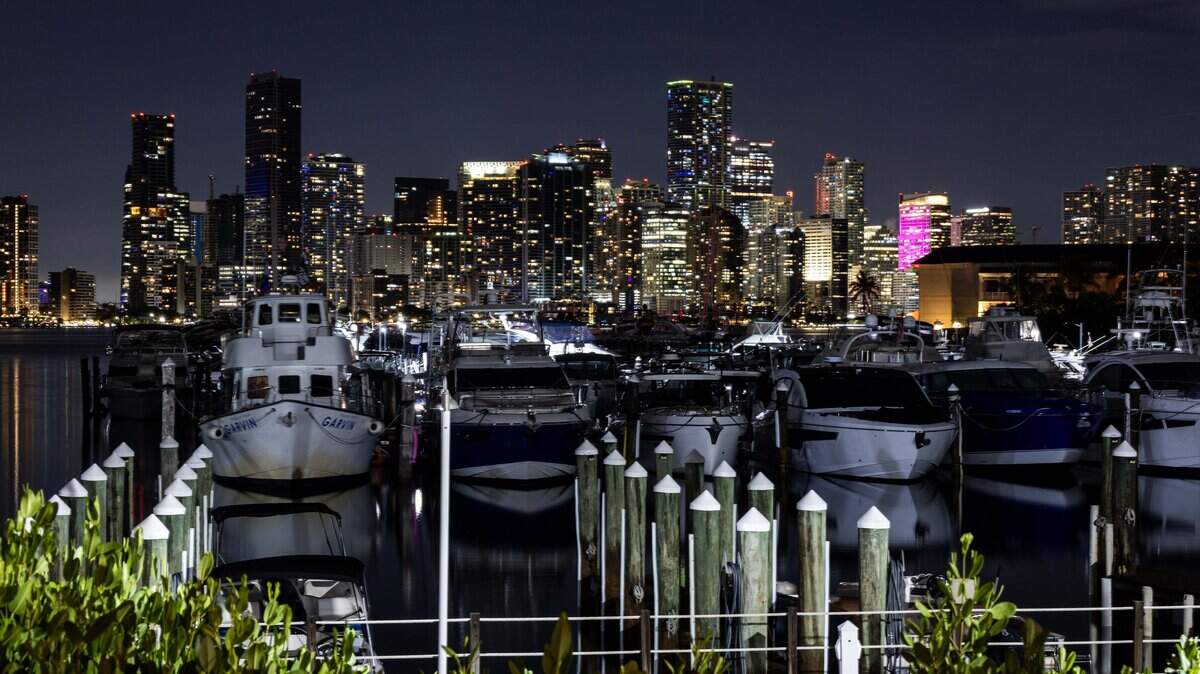
Is this how it ends, Miami?
The much-debated effort to move the city’s elections to even-numbered years — something so important that commissioners felt compelled to extend their own terms for a year without consulting voters until the courts said no — is dead for now, simply because commissioners couldn’t get a quorum.
Take a minute to let that soak in. After a months-long fight over whether to move the Miami election — including a court battle that voters will no doubt pay for and a national black eye — the result is... nothing.
It’s anti-climactic. But more than that, it’s sad. Miami voters once again are the losers.
Commissioners were supposed to discuss the issue Friday in a special meeting called by Mayor Francis Suarez to decide whether to put a measure on the Nov. 5 ballot to move the city elections from odd-numbered to even-numbered years. Those who favor the idea — and that includes the Editorial Board — believe the change is needed to help increase abysmal voter turnout. (Reducing costs by aligning with the general election is another plus.) As we have said repeatedly, Miami is a city that lacks sufficient civic engagement, and that shows in voter participation.
Friday’s meeting was last minute, called after the city’s legal fight seemingly came to an end. Commissioners originally voted 3-2 in June to postpone the 2025 election to 2026 via ordinance rather than through a ballot referendum. A trial court found the ordinance was unconstitutional after mayoral candidate Emilio González, a former city manager, sued. An appellate court upheld the ruling and the city asked for a rehearing but the Third District Court of Appeal said no a week ago.
Suarez did the right thing by calling the meeting (which was also supposed to discuss the ill-fated Miami Marine Stadium redevelopment proposal) to potentially put the issue to voters. Unfortunately, Friday was the deadline to put questions on the November ballot.
No quorum? No question on the ballot.
There are only five people on the Miami City Commission — expanding the commission is another issue that needs to be fixed — and there were three no-shows. As the Miami Herald reported, Commissioner Miguel Angel Gabela was out of town on a preplanned trip; Chairwoman Christine King was “under the weather,” according to a spokesperson, and Commissioner Joe Carollo had a prior commitment related to a family matter.
Only two, Ralph Rosado and Damian Pardo, attended. Pardo is the commissioner who led the push to change the election date. He told the Editorial Board he was “very disappointed” with the non-vote on Friday.
Let’s give the three commissioners who didn’t turn up the benefit of the doubt. All of their reasons may be valid. But we also know that there is opposition to moving the election, including the worry that if the local election is moved to coincide with the general election, candidates will lose out when they compete for attention with state and national races.
Whether there were political motivations at play or just bad timing in the poor attendance by commissioners on Friday, the end result is that the voters, who already had their rights trampled on by the initial decision in June to move the election without taking the issue to the people, are yet again the losers. In November, they won’t have the chance to choose when their own government holds elections.
Miami could still call a special election to give voters a chance to weigh in on the issue. That’s costly, of course, and voters are the ones who would have to pay. And there are other elections to come, when the referendum could be put on the ballot. Pardo says he plans to continue the drive to take this question to the voters in the future — “Definitely, definitely.”
Whatever the reason that commissioners failed to show up for Friday’s meeting, the bottom line is more of the same.
On Nov. 4, Miamians will cast votes for a new mayor and two city commissioners. What they won’t get to decide? When they cast their ballots. And that’s because the Miami City Commission couldn’t muster a three-person quorum. It would be comical if it wasn’t such a shame.
BEHIND THE STORY
MOREWhat's an editorial?
Editorials are opinion pieces that reflect the views of the Miami Herald Editorial Board, a group of opinion journalists that operates separately from the Miami Herald newsroom. Miami Herald Editorial Board members are: opinion editor Amy Driscoll and editorial writers Isadora Rangel and Mary Anna Mancuso. Read more by clicking the arrow in the upper right.
What's the difference between an op-ed and a column?
How does the Miami Herald Editorial Board decide what to write about?
The Editorial Board, made up of experienced opinion journalists, primarily addresses local and state issues that affect South Florida residents. Each board member has an area of focus, such as education, COVID or local government policy. Board members meet daily and bring up an array of topics for discussion. Once a topic is fully discussed, board members will further report the issue, interviewing stakeholders and others involved and affected, so that the board can present the most informed opinion possible. We strive to provide our community with thought leadership that advocates for policies and priorities that strengthen our communities. Our editorials promote social justice, fairness in economic, educational and social opportunities and an end to systemic racism and inequality. The Editorial Board is separate from the reporters and editors of the Miami Herald newsroom.
How can I contribute to the Miami Herald Opinion section?
The Editorial Board accepts op-ed submissions of 650-700 words from community members who want to argue a specific viewpoint or idea that is relevant to our area. You can email an op-ed submission to oped@miamiherald.com. We also accept 150-word letters to the editor from readers who want to offer their points of view on current issues. For more information on how to submit a letter, go here.
This story was originally published September 8, 2025 at 5:39 PM.