
Miamians won’t get a vote on election change after commissioners no-show meeting
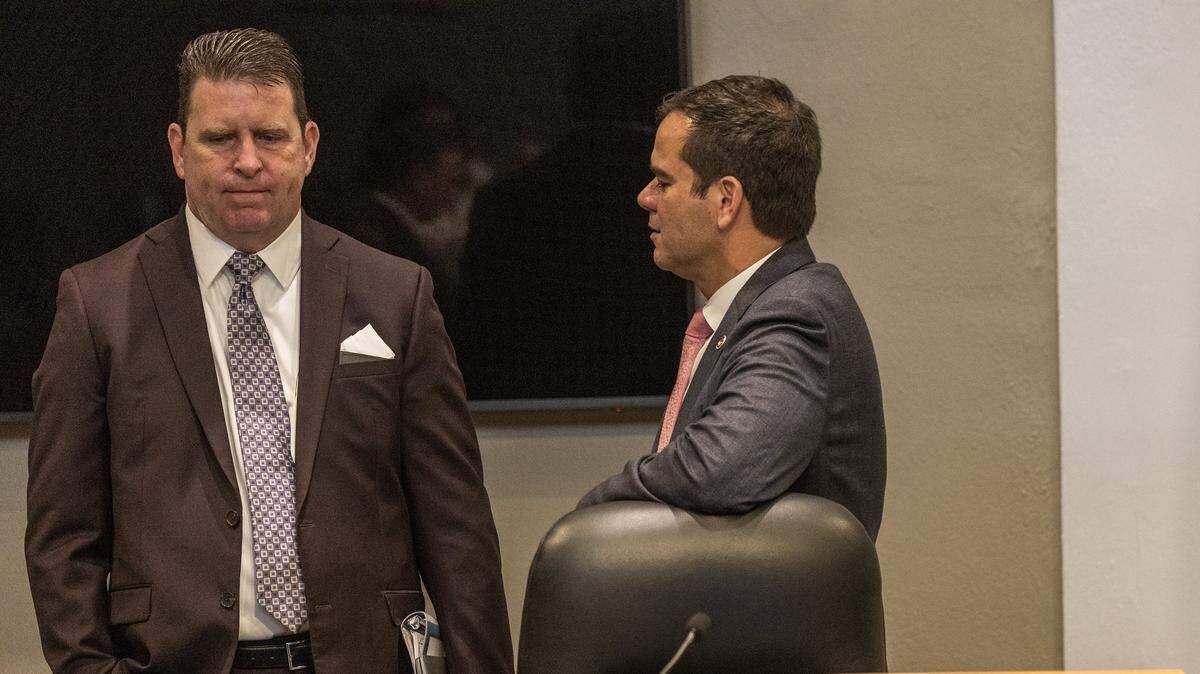
Miami voters won’t get the chance to decide on moving the city from odd- to even-year elections this November after only two out of five city commissioners showed up to a special meeting Friday.
After public backlash and a monthslong court battle, the measure’s proponents, Miami Mayor Francis Suarez and Commissioner Damian Pardo, agreed to send the proposed change to a ballot referendum, which would have let voters decide when the city should hold elections. Over the weekend, Suarez called for a special meeting Friday to send the election date change proposal, as well as a Miami Marine Stadium redevelopment proposal, to voters this fall.
But on Friday morning, just two out of five city commissioners showed up for the special meeting: Pardo and Ralph Rosado. Commissioner Miguel Angel Gabela was out of town on a preplanned trip. A spokesperson for Chairwoman Christine King told the Herald: “The Chairwoman was feeling under the weather.” Commissioner Joe Carollo said he had a prior commitment related to a family matter.
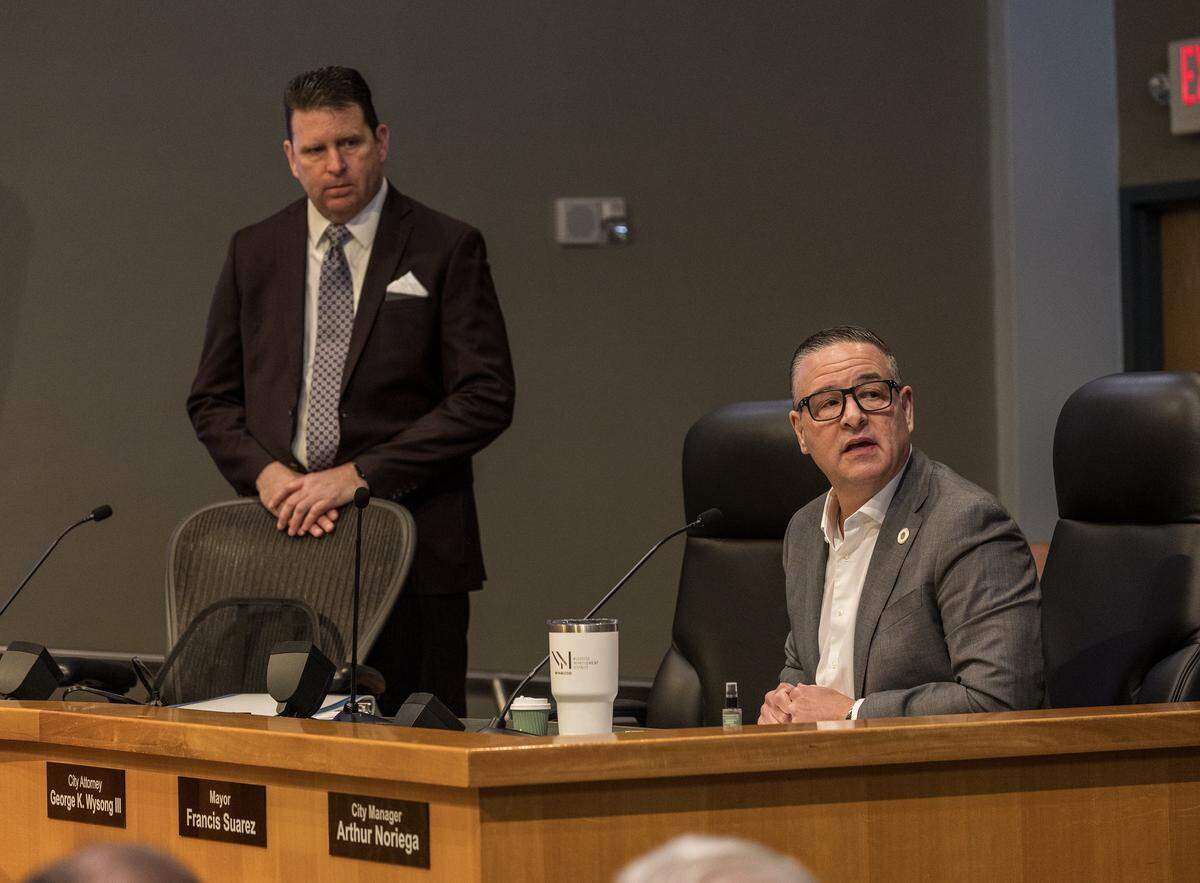
About 45 minutes past the meeting start time, City Manager Art Noriega announced that the meeting was canceled due to lack of quorum. Friday was the deadline for sending questions to the Nov. 4 ballot, when Miamians will cast votes for a new mayor and two city commissioners.
Pardo said in a statement that he was “disappointed that two voter referendums could not be heard today.”
“Both were drafted ballot questions so residents, not commissioners, would make the final decision, but for those resolutions to move forward, a commission vote was required,” Pardo said. “With only two commissioners present, short of the three needed for a quorum, the meeting could not proceed, and the commission did not take any votes.”
Friday’s meeting cancellation was an anticlimactic end to a summertime legal battle between the city and mayoral candidate Emilio González, who sued in June after the commission voted 3-2 to pass an ordinance moving to even-year elections, without voter approval. The change gave the city’s current elected officials an extra year in office.
A trial court found the city’s ordinance unconstitutional, and Florida’s Third District Court of Appeal upheld that ruling. The final nail in the coffin for the city came last week, when the Third DCA denied the city’s request for a rehearing in the case. The following day — Saturday — Suarez called for a special meeting to send the election date change to referendum.
It’s not a guarantee that the commission would have agreed to send the election proposal to the ballot even if it had quorum, although King and Rosado both voted with Pardo to pass the ordinance in June.
Both Suarez and Pardo have argued that switching to even years will boost Miami’s typically paltry voter turnout while significantly reducing election costs, since municipal races would be included on the general election ballot, rather than the city needing to host its own election each time.
Suarez did not immediately respond to a request for comment.
.jpg)