
The financial gap between renting and owning has grown. In Miami, that’s an issue | Opinion
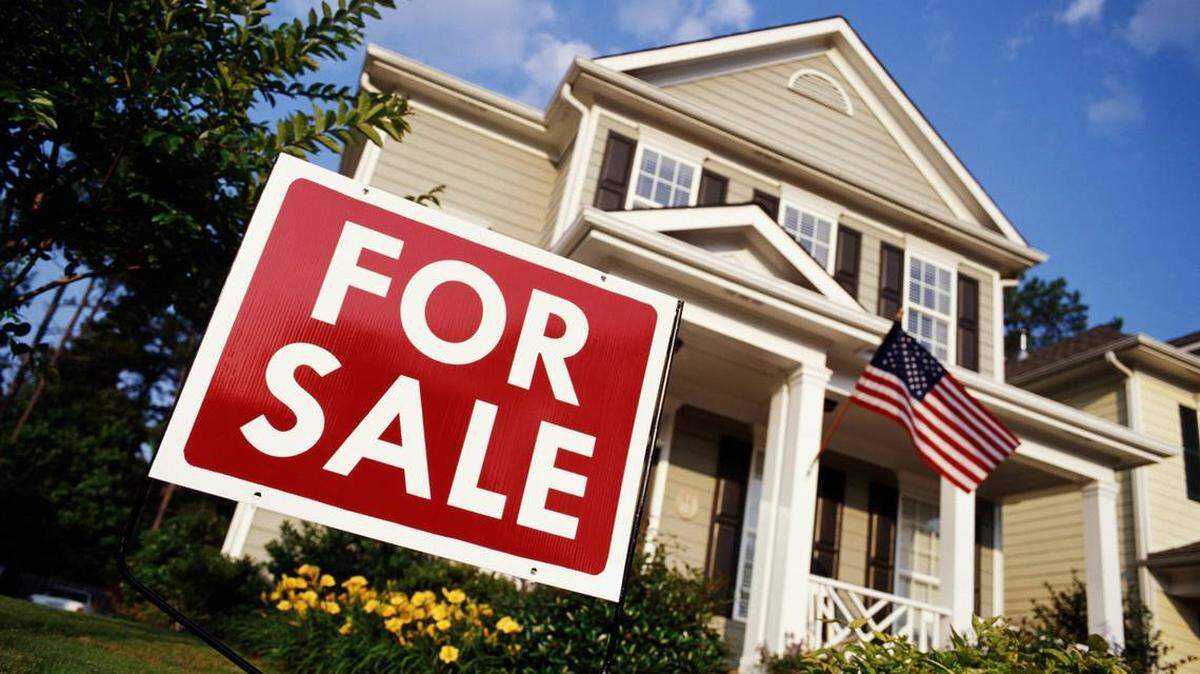
With high mortgage rates and stubborn home prices, many Miamians are questioning whether homeownership is still within reach. For many, it is not.
In May, owning a single-family home cost an estimated $2,086 more per month than renting one in Miami-Dade County, according to data from Miami Realtors. In May 2018, seven years ago, that gap was just $138. For condos and town houses, today it costs $811 more a month to own than to rent, but even that has changed since 2018, when owning actually was cheaper, costing $233 less per month.
Does that mean renting is a better financial deal than owning? Not really, real estate experts told the Herald Editorial Board. Buying is still a better decision. But because many people cannot achieve that piece of the American dream, they are also losing out on a major long-term benefit of homeownership — achieving and maintaining middle class status. That’s also the focus of the Editorial Board’s series The Shrinking Middle.
“Homeownership is the best way to accumulate wealth,” Miami Realtors Chief Economist Gay Cororaton said.
Although owning a house may cost more monthly, homeowners build equity over time. With home values dramatically rising in the past years, the 15-year equity on a single-family home in Miami-Dade was more than $550,000 based on the median sales price in 2024, according to Miami Realtors.
While your rent may change, mortgage costs are fixed as your home becomes more valuable — assuming it does. Of course, that doesn’t take into account how the high price of property insurance has made homeownership costs more volatile even for longtime owners. Still, Cororaton said, “If you can afford it, don’t think that it’s cheaper to rent.”
That’s if you can afford it.
The cost gap between renting versus owning is an indicator that many people are left out of homeownership, forced to rent because they cannot afford to own, which, in turn, drives up demand and prices for rentals.
That’s bad not only for families’ financial future, but also for Miami-Dade. Homeownership typically means more community and civic involvement. Areas with more homeowners tend to have less crime, said Eli Beracha, director of the Tibor and Sheila Hollo School of Real Estate at Florida International University.
“When you own a home, you simply care about a neighborhood,” Beracha told the Editorial Board.
Based on a median single-family home sales price of $675,000, the monthly cost of a mortgage, plus taxes and insurance, is $5,656, according to Miami Realtors. The median rent for a house, as of May, was $3,600, which isn’t necessarily affordable, either.
Miami has become a hub for millionaires since the pandemic, but more than half the people in the county are living paycheck to paycheck, the Herald reported. A family of two adults and two kids needs about $90,000 per year to afford basic needs, according to United Way.
Even if you make enough to afford the basics, homeownership might still be beyond your reach. Only 3% of single-family homes listed for sale at the end of May were what Miami Realtors consider “affordable,” meaning they cost less than $400,000. In 2019, those homes represented 30% of listings.
Is the option then to wait until prices go back to what they were pre-pandemic? Probably not. The Fed is expected to resume its interest rate cuts in the second half of the year, according to Cororaton, and home sales have dropped and prices have stabilized after a post-pandemic high. But Cororaton and Beracha don’t believe prices will drop significantly.
That probably means that many people will continue to be locked out of homeownership and subject to price fluctuations in rents that could eventually push them to leave South Florida, where the American dream of homeownership continues to elude a large share of our population.
BEHIND THE STORY
MOREWhat's an editorial?
Editorials are opinion pieces that reflect the views of the Miami Herald Editorial Board, a group of opinion journalists that operates separately from the Miami Herald newsroom. Miami Herald Editorial Board members are: opinion editor Amy Driscoll and editorial writers Isadora Rangel and Mary Anna Mancuso. Read more by clicking the arrow in the upper right.
What's the difference between an op-ed and a column?
How does the Miami Herald Editorial Board decide what to write about?
The Editorial Board, made up of experienced opinion journalists, primarily addresses local and state issues that affect South Florida residents. Each board member has an area of focus, such as education, COVID or local government policy. Board members meet daily and bring up an array of topics for discussion. Once a topic is fully discussed, board members will further report the issue, interviewing stakeholders and others involved and affected, so that the board can present the most informed opinion possible. We strive to provide our community with thought leadership that advocates for policies and priorities that strengthen our communities. Our editorials promote social justice, fairness in economic, educational and social opportunities and an end to systemic racism and inequality. The Editorial Board is separate from the reporters and editors of the Miami Herald newsroom.
How can I contribute to the Miami Herald Opinion section?
The Editorial Board accepts op-ed submissions of 650-700 words from community members who want to argue a specific viewpoint or idea that is relevant to our area. You can email an op-ed submission to oped@miamiherald.com. We also accept 150-word letters to the editor from readers who want to offer their points of view on current issues. For more information on how to submit a letter, go here.
This story was originally published July 30, 2025 at 12:09 PM.