
They talked big about making Florida more affordable, but lawmakers disappointed | Opinion
Florida lawmakers had one big job this year and, with some exceptions, they failed at it: They didn’t address the lack of affordability that’s forcing people to leave the state, especially in expensive areas like South Florida.
The passage of a $115 billion state budget this week marked the end of an unusually long and tense legislative session in which Senate and House leaders disagreed over funding matters. We’re glad they came to a consensus, but 2025 did not turn out to be the year of affordability as advertised when the session began in early March.
The Herald Editorial Board met with dozens of candidates, Republican and Democratic, ahead of last year’s legislative elections. Back then, virtually all of them told us that the biggest concern they were hearing from voters was the exorbitant price of homeowners’ insurance and housing.
As the Editorial Board wrote on March 4: “Lawmakers will return to their districts at the end of the two-month session and explain whether they have done enough to address what’s behind the increased cost of living in Florida.”
They will have a lot of explaining to do.
To be fair, the Legislature did make disaster-relief sales-tax cuts year round and extended the back-to-school sales tax holiday for a full month, the Herald reported. These cuts will go into effect every year without the need for legislative approval. Lawmakers also eliminated the business-rent tax, which is supposed to help small businesses, and doubled the funding to address food insecurity.
These measures will provide some relief for Floridians, but, as the Herald reported, most tax breaks passed this year actually went toward businesses, many of which have an army of lobbyists in Tallahassee. For example, lawmakers eliminated the aviation fuel tax, helping airlines, and reduced a tax on cardrooms operated by parimutuels.
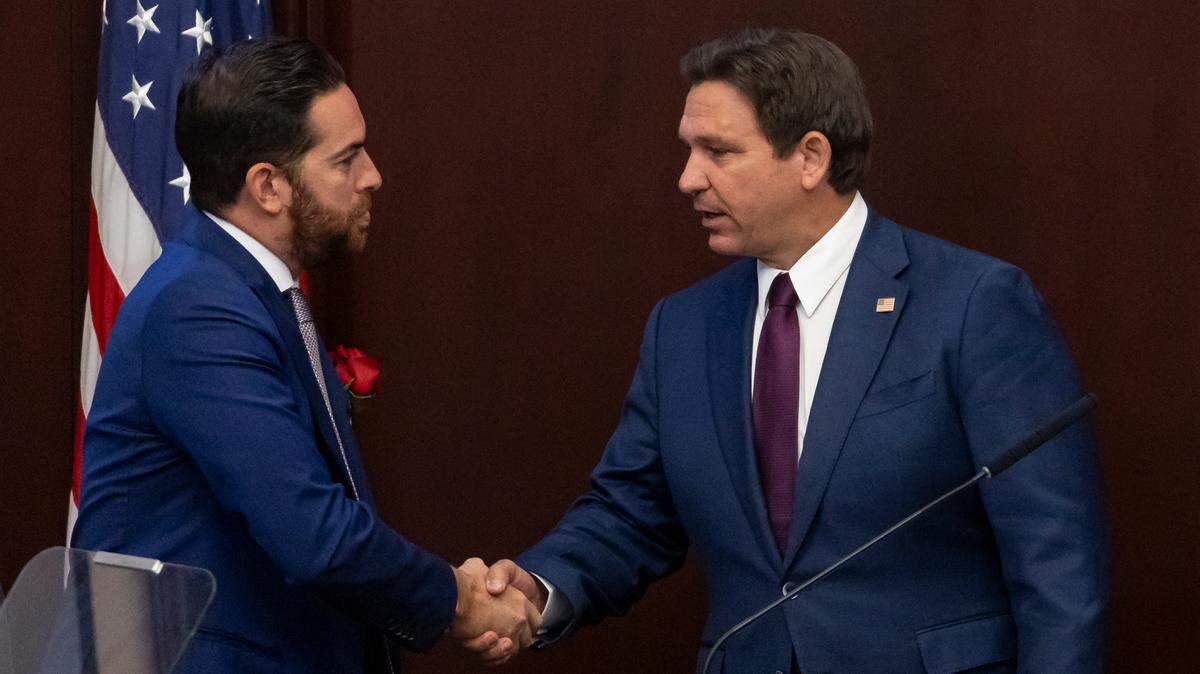
House Speaker Danny Perez, R-Miami, told the Herald that the sales tax holidays are a “win” for consumers — “I believe we batted 1,000,” he said. (Perez originally wanted to reduce the state’s sales tax from 6% to 5.25% but that didn’t make into the budget.)
Perez and his colleagues are naive if they think their constituents will be satisfied. Even longtime homeowners cannot keep up with the cost of everything, especially, property insurance.
A few years ago, the Legislature passed a reform package that made it harder to sue insurance companies, which said they were forced to pass their high legal costs onto consumers in the form of higher premiums. President Donald Trump once blasted the changes as a “bailout” to insurers and even Perez hinted the reforms were a giveaway to the industry, the Herald reported.
After years of instability, Florida’s insurance market has stabilized with premium increases slowing down, but the crisis for homeowners is far from over and many are paying more than they can afford. Last November, the Herald reported that Republican leaders were surprising their colleagues with “tough talk” on insurance companies and the affordability crisis.
“[Floridians] don’t want our state’s insurance laws to be written by insurance companies,” Perez told the House.
The political appetite for more accountability grew when, in March, the Herald/Times uncovered a 2022 study that found that insurance executives distributed $680 million in dividends to shareholders and diverted billions more to affiliate companies while justifying big premium increases to cover their losses. Perez even ordered legislative hearings to look into the issue.
In the end, no meaningful comprehensive reform on the insurance industry passed, even though Republicans put forward proposals to demand more transparency on the compensation of insurance executives. That legislation died and would have, according to sponsors, sped up the insurance claims process and cooled rates.
Lawmakers always have next year to tackle broader reforms. Caution, in some cases, is needed. Lawmakers, for example, did not try to eliminate property taxes as Gov. Ron DeSantis wanted, which would have wreaked havoc in local governments and public schools, choosing instead to study the proposal.
The real issue making Florida increasingly too expensive for those who aren’t millionaires remains the cost of owning a home and insuring it. That hasn’t changed. Floridians need meaningful reforms ASAP.
Click here to send the letter.
BEHIND THE STORY
MOREWhat's an editorial?
Editorials are opinion pieces that reflect the views of the Miami Herald Editorial Board, a group of opinion journalists that operates separately from the Miami Herald newsroom. Miami Herald Editorial Board members are: opinion editor Amy Driscoll and editorial writers Isadora Rangel and Mary Anna Mancuso. Read more by clicking the arrow in the upper right.
What's the difference between an op-ed and a column?
How does the Miami Herald Editorial Board decide what to write about?
The Editorial Board, made up of experienced opinion journalists, primarily addresses local and state issues that affect South Florida residents. Each board member has an area of focus, such as education, COVID or local government policy. Board members meet daily and bring up an array of topics for discussion. Once a topic is fully discussed, board members will further report the issue, interviewing stakeholders and others involved and affected, so that the board can present the most informed opinion possible. We strive to provide our community with thought leadership that advocates for policies and priorities that strengthen our communities. Our editorials promote social justice, fairness in economic, educational and social opportunities and an end to systemic racism and inequality. The Editorial Board is separate from the reporters and editors of the Miami Herald newsroom.
How can I contribute to the Miami Herald Opinion section?
The Editorial Board accepts op-ed submissions of 650-700 words from community members who want to argue a specific viewpoint or idea that is relevant to our area. You can email an op-ed submission to oped@miamiherald.com. We also accept 150-word letters to the editor from readers who want to offer their points of view on current issues. For more information on how to submit a letter, go here.