
After years of DeSantis’ rule, lawmakers finally have opportunity to work for Floridians | Opinion
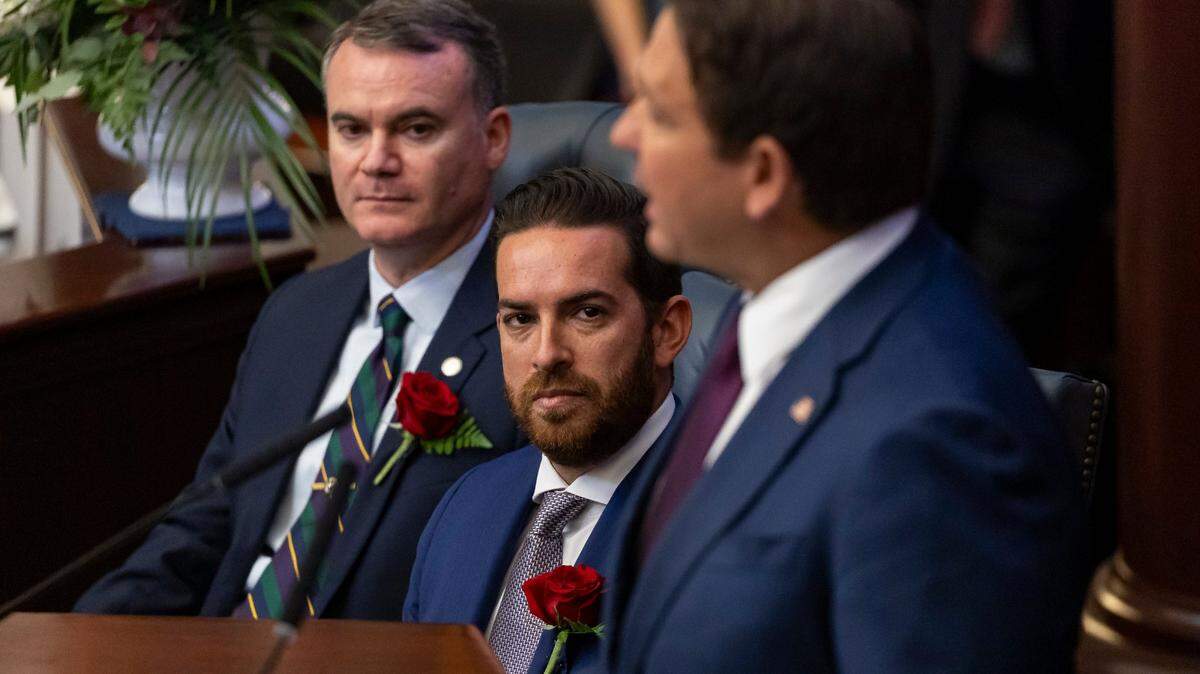
The 2025 Florida lawmaking session that started Tuesday has been the focus of much punditry and speculation. The discussion in Tallahassee’s political circles is whether Gov. Ron DeSantis will continue to run roughshod over Republican lawmakers and dictate their agenda without questioning.
Outside of that bubble, however, the discussions Floridians are having at the proverbial kitchen table mainly surround the exorbitant cost of living, condo maintenance and property insurance in a state facing a housing crisis.
If the Legislature has indeed returned to its function as one of the branches of government and not as rubber-stampers of the governor’s ideological battles — and that’s not a guarantee — that’s a good start. Only in an environment where ideas are debated in public can good legislation flourish. The showdown between DeSantis and House and Senate leaders during a special session earlier this year proved lawmakers are no longer afraid to push back on him, though both factions reportedly have since made nice.
Lawmakers will return to their districts at the end of the two-month session and explain whether they have done enough to address what’s behind the increased cost of living in Florida.
There are some signs they are willing to do that.
House Speaker Danny Perez, R-Miami, on Tuesday announced he was ordering hearings into insurance companies claiming losses while they moved billions of dollars to affiliate companies. Last week, the Herald/Times reported that a 2022 report never made public until now found that insurance executives distributed $680 million in dividends to shareholders while justifying big premium increases to cover their losses.
The last major insurance reform in Florida skewed heavily in favor of those companies by making it harder to sue them. The point then was that the high cost of litigation in the state was driving rates up. Now, lawmakers must also look at holding those same companies accountable.
Perez vowed that a legislative committee will be “issuing subpoenas, putting witnesses under oath, and hiring outside experts,” tools that are rarely used by state lawmakers, the Herald/Times reported.
That’s time and resources much better spent than waging political fights against the so-called “woke” left, which has sucked up too much air at the state Capitol in recent years. Under Perez’s leadership, it appears the House has better things to do.
Tackling property insurance is also more urgent than making it harder for citizen petition drives to get on the ballot, which is a priority of DeSantis this year (His clear goal is to prevent ballot items to legalize recreational marijuana and abortion rights from returning after failing last year). It is also more urgent than appeasing President Donald Trump by codifying the use of the “Gulf of America” by the state, as a bill proposes.
There might also be an appetite for demanding more transparency from insurance companies. Sen. Don Gaetz, a former Republican Senate president from the Panhandle, has filed a bill to require better disclosure of the compensation of insurance executives. Gaetz also wants to limit the profit of utility companies, which comes on the heels of Florida Power & Light asking state regulators for rate hikes to fund infrastructure projects.
And then there’s the condo crisis, one that lawmakers inadvertently created when they tightened building maintenance laws after the Surfside collapse in 2021. Republican leaders balked at DeSantis’ order that they address this issue in a special session. They now have the time to prevent people from losing their condos because they cannot afford special assessments to pay for deferred maintenance.
On Tuesday, DeSantis asked for more flexibility in the laws passed after Surfside. Among them is the requirement that condo associations maintain full financial reserves for repairs, which was a no-negotiable priority of Perez when the law was passed.
So far, there doesn’t appear to be a consensus in the Capitol on what to do about condos. Coming up with a middle ground is what the legislative process is for.
If Florida lawmakers aren’t distracted by the latest shiny political object, they should have plenty of time to do their job.
Click here to send the letter.
BEHIND THE STORY
MOREWhat's an editorial?
Editorials are opinion pieces that reflect the views of the Miami Herald Editorial Board, a group of opinion journalists that operates separately from the Miami Herald newsroom. Miami Herald Editorial Board members are: opinion editor Amy Driscoll and editorial writers Isadora Rangel and Mary Anna Mancuso. Read more by clicking the arrow in the upper right.
What's the difference between an op-ed and a column?
How does the Miami Herald Editorial Board decide what to write about?
The Editorial Board, made up of experienced opinion journalists, primarily addresses local and state issues that affect South Florida residents. Each board member has an area of focus, such as education, COVID or local government policy. Board members meet daily and bring up an array of topics for discussion. Once a topic is fully discussed, board members will further report the issue, interviewing stakeholders and others involved and affected, so that the board can present the most informed opinion possible. We strive to provide our community with thought leadership that advocates for policies and priorities that strengthen our communities. Our editorials promote social justice, fairness in economic, educational and social opportunities and an end to systemic racism and inequality. The Editorial Board is separate from the reporters and editors of the Miami Herald newsroom.
How can I contribute to the Miami Herald Opinion section?
The Editorial Board accepts op-ed submissions of 650-700 words from community members who want to argue a specific viewpoint or idea that is relevant to our area. You can email an op-ed submission to oped@miamiherald.com. We also accept 150-word letters to the editor from readers who want to offer their points of view on current issues. For more information on how to submit a letter, go here.