
DeSantis is just an opportunist. That’s why he finally admitted Trump lost | Opinion

READ MORE
Altered State
Altered State is a series of editorials examining the race between Donald Trump and Ron DeSantis for the Republican presidential nomination.
Expand All
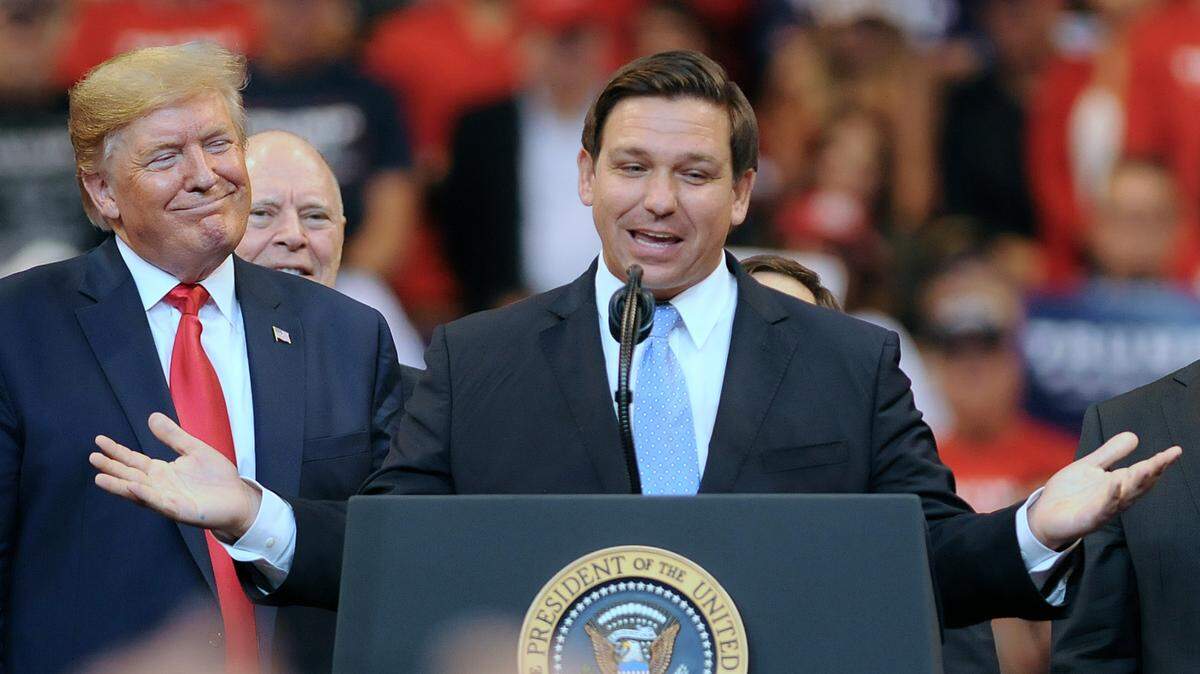
Altered State: For Trump, DeSantis, the road to authoritarianism runs through Florida | Opinion
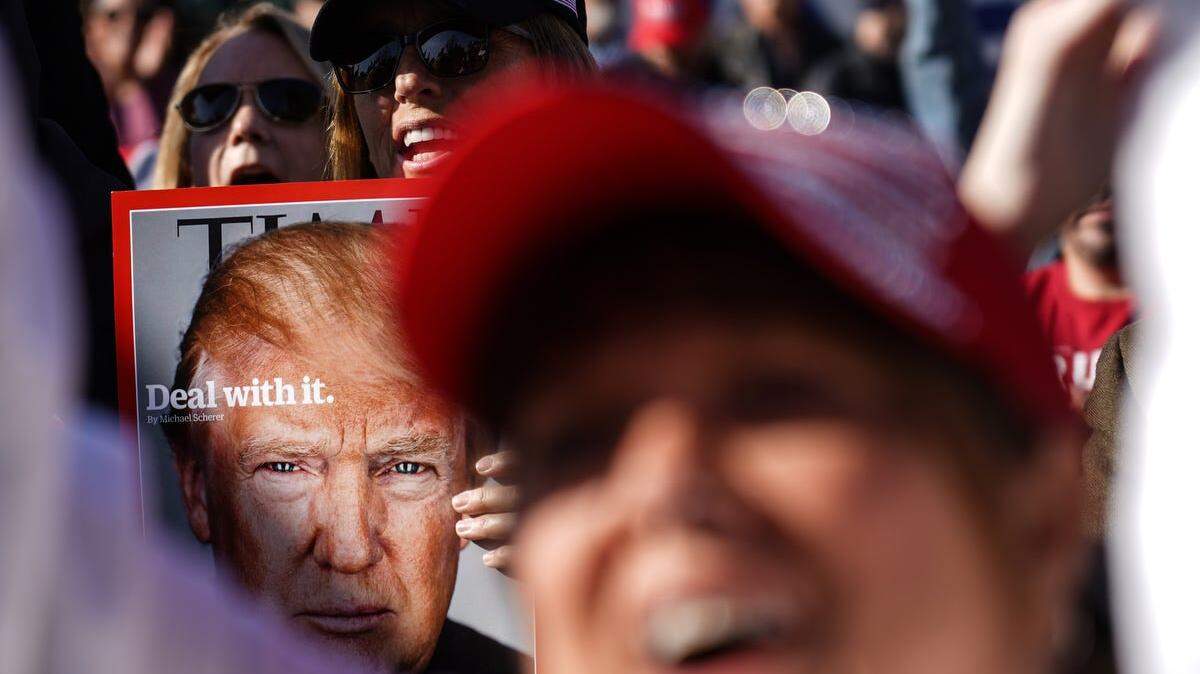
Altered State: Trump has told us clearly what a second term will be: one-man rule | Opinion
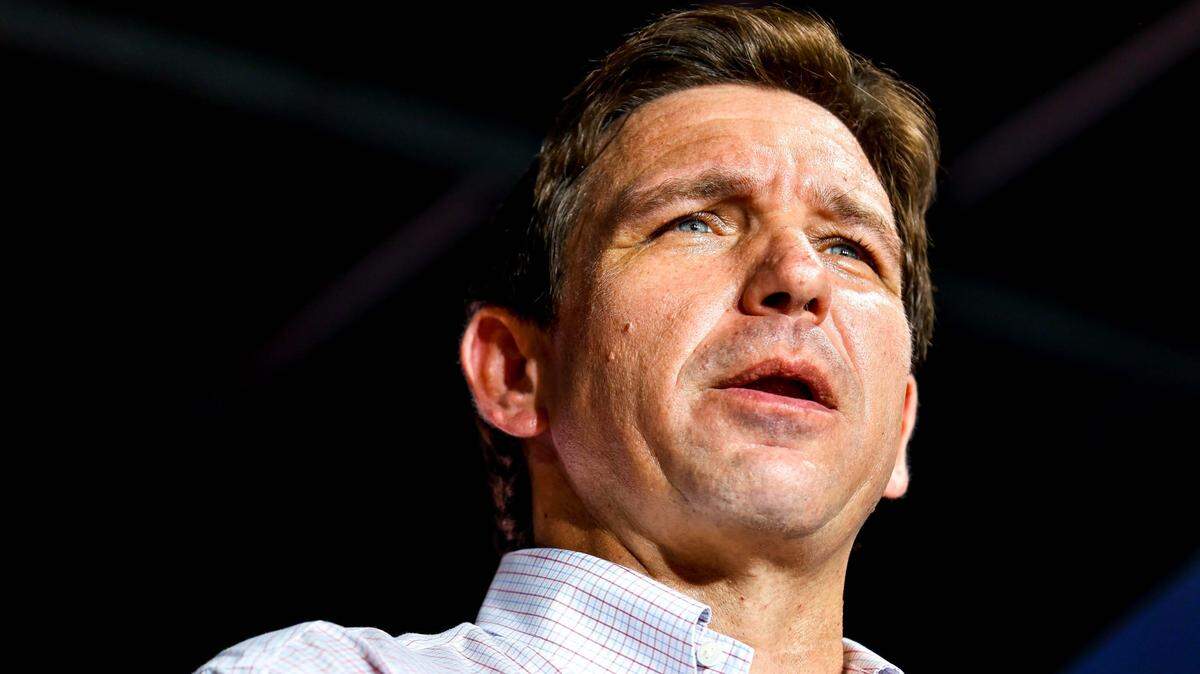
Altered State: Florida’s DeSantis is teaching a master class in Authoritarianism 101 | Opinion
DeSantis is just an opportunist. That’s why he finally admitted Trump lost | Opinion
Sinking in the polls and pressured by at least one powerful donor to moderate his far-right positions, Florida Gov. Ron DeSantis admitted publicly on Sunday that Donald Trump lost the presidential election in 2020.
“Of course he lost,” DeSantis said in an interview with NBC News. “Joe Biden’s the president.”
But which DeSantis was it who finally spoke the truth? The woke warrior? The Trump pal? The pro-COVID-vaccine guy? The anti-COVID vaccine one? The new governor who visited the Pulse nightclub site to mourn the LGBTQ lives lost or the second-term authoritarian who has targeted gays and trans people?
None of the above. No, the DeSantis who said those long-delayed words out loud is the one who has remained constant amid all that calculated shape-shifting: the opportunist.
DeSantis has tried to have it both ways for ages. He wouldn’t quite say that Trump had lost because he hoped to lure some of the ex-president’s MAGA supporters while still challenging him for the Republican nomination. It has made for a strange and strained dance for DeSantis as he contorted himself into whatever position was politically advantageous.
That’s consistent with his political transmogrification during five-plus years as governor, when he has gone from conservative to arch-conservative to a crazed-sounding extremist who proposed shooting drug dealers “stone cold dead” if they cross the U.S. border and said that, if elected, he’d “start slitting throats” in the federal government on his first day.
The swamp
As recently as last week, he was still dodging the question of Trump’s loss. A few minutes after the ex-president’s indictment on charges of 2020 election interference, DeSantis deflected, tweeting that Trump couldn’t get a fair trial in Washington, D.C., because it would be “unfair to have to stand trial before a jury that is reflective of the swamp mentality.” DeSantis, of course, is a former three-term U.S. representative who served in Washington in that very swamp.
The evasion, though, couldn’t go on, and DeSantis knew it. At a New Hampshire town hall last week, he openly criticized Trump’s policy failures — the border wall, draining the swamp — and his behavior, which he says is one of the reasons the GOP lost in 2020.
And now, with the window for viability against a strengthening Trump getting narrower by the day, DeSantis has apparently decided there’s nothing left to lose. He has to draw a line between himself and Trump — his mentor and the man whose endorsement likely gave him the Florida governorship — if his campaign is to stay afloat into the fall.
Also, there was this: Hotel entrepreneur Robert Bigelow, who gave $20 million to the pro-DeSantis Never Back Down political group, said he wouldn’t donate any more unless the governor attracts big new donors and becomes more moderate in his stances.
Tried to side-step
Even with all of that, DeSantis first tried to wriggle out of an answer on Sunday about whether Trump lost by saying,“Whoever puts their hand on the Bible on Jan. 20 every four years is the winner.”
NBC News correspondent Dasha Burns pushed harder. (The interview was DeSantis’ first for a broadcast network since he launched his presidential campaign, another sign he has realized he has to move more to the middle.)
“But respectfully, you did not clearly answer that question,” Burns said. “And if you can’t give a ‘yes’ or ‘no’ on whether or not he lost —”
And that’s when DeSantis finally answered.
Well, whoopee, you may be saying. What else do we expect from politicians, anyway? They lie. They fudge. They change positions to appeal to voters and get elected.
But refusing for all these years to say that Trump lost in 2020 and then saying it now isn’t a minor tweak to a position or even a major one. There’s no “do-over” here. This isn’t “just politics.” This is about whether the leader of the state of Florida and a serious candidate for the presidency supports democracy in the United States, including the peaceful transition of power.
What, then, does it say about DeSantis’ character that this is what it takes for him to speak out? Trump lost. DeSantis wouldn’t say that until it became politically expedient.
That’s not a person with a moral center or principles to guide him. That’s not someone with deep-seated beliefs about leadership that shape his actions. That’s a person who holds fast to nothing except the burning desire to win, a person who shapes himself according to the political winds. An opportunist, in other words.
And voters should ask themselves — the polls seem to indicate they already are — if that’s really what they want in a president.
Click here to send the letter.
BEHIND THE STORY
MOREWhat's an editorial?
Editorials are opinion pieces that reflect the views of the Miami Herald Editorial Board, a group of opinion journalists that operates separately from the Miami Herald newsroom. Miami Herald Editorial Board members are: opinion editor Amy Driscoll and editorial writers Isadora Rangel and Mary Anna Mancuso. Read more by clicking the arrow in the upper right.
What's the difference between an op-ed and a column?
How does the Miami Herald Editorial Board decide what to write about?
The Editorial Board, made up of experienced opinion journalists, primarily addresses local and state issues that affect South Florida residents. Each board member has an area of focus, such as education, COVID or local government policy. Board members meet daily and bring up an array of topics for discussion. Once a topic is fully discussed, board members will further report the issue, interviewing stakeholders and others involved and affected, so that the board can present the most informed opinion possible. We strive to provide our community with thought leadership that advocates for policies and priorities that strengthen our communities. Our editorials promote social justice, fairness in economic, educational and social opportunities and an end to systemic racism and inequality. The Editorial Board is separate from the reporters and editors of the Miami Herald newsroom.
How can I contribute to the Miami Herald Opinion section?
The Editorial Board accepts op-ed submissions of 650-700 words from community members who want to argue a specific viewpoint or idea that is relevant to our area. You can email an op-ed submission to oped@miamiherald.com. We also accept 150-word letters to the editor from readers who want to offer their points of view on current issues. For more information on how to submit a letter, go here.
This story was originally published August 7, 2023 at 4:49 PM.