
Florida’s insurance nightmare grows. Will the Sunshine State be only for the rich? | Opinion
It’s happening again. Another insurance company is dropping out of the Florida market.
This time, it’s Farmers Insurance, which offers home, auto and umbrella policies — about 100,000 of them. That’s a big hit to our state. Prepare for another cascade of policies to Citizens Insurance, the insurer “of last resort,” backed by the state and, ultimately, the Florida taxpayer.
In recent years, 13 companies have gone insolvent in the state. Many others, like Farmers, have simply stopped writing policies in Florida. All of it helps drive up premiums and worsens the housing affordability crisis in the state. Florida may soon be just for the rich.
This is a basic and repeated failure of leadership from Tallahassee. Floridians are suffering under the highest property insurance premiums in the nation. Lawmakers have repeatedly vowed to tackle the problem. The Legislature met twice in special session. Laws have been passed to crack down on lawsuits and other measures that leaders blame for the escalating crisis.
Derelict lawmakers
As former Republican State Sen. Jeff Brandes, a longtime advocate for comprehensive insurance reform, told the Orlando Sentinel, some of that legislation “treated the flu when the patient had Stage 4 cancer.”
Every time, of course, they preach patience to us. We have to wait at least 18 months to two years to get relief, they say. And yet nothing they’ve done has helped. What are we to believe?
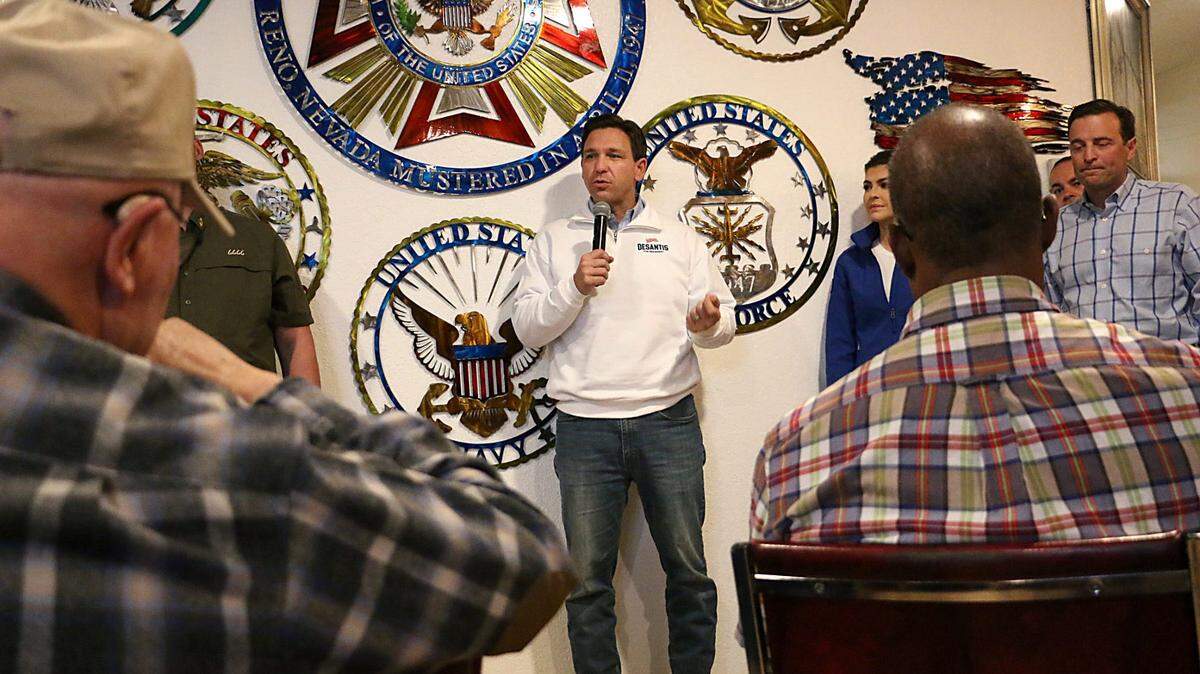
This is a state where drag shows and transgender kids get plenty of outrage from our leaders. That’s because Florida Gov. Ron DeSantis thinks he’ll ride culture-war issues to the White House, putting his personal gain over our pain. Meantime, the long-term viability of living in Florida, unless you’re wealthy, continues to dwindle. That’s an actual problem, not something concocted for political purposes.
The financial squeeze is real. Housing costs have contributed to a whopping 9% inflation rate in the Miami-Fort Lauderdale-West Palm Beach area. It’s the highest rate in the nation among urban areas with more than 2.5 million people, CNN reported. It’s more than double the national average of 4%.
Renters abandoned
If that weren’t bleak enough, there’s also bad news for renters.
DeSantis signed into law last month a bill that strips away local agreements — including one in Miami-Dade County — that delineated renters’ rights. He signed the bill even as tenants’ rights groups pushed for stronger protection against rising rents. The result of the new law is that local governments will have much less ability to figure out solutions to the housing crisis in their cities.
Florida did pass an affordable-housing bill in the Legislature this year, and we hope that helps. In Broward County, for example, the town of Davie may consider adding 75 manufactured homes to a development under the new bill, which provides incentives. That’s a glimmer of hope.
But the removal of renters’ rights, jacked-up inflation rates spurred in large part by housing costs and the infuriating refusal by our leaders to do the real work of governing by addressing the enormous insurance crisis in a real way?
That all adds up to a state that, sometime soon, only the rich will be able call home.
BEHIND THE STORY
MOREWhat's an editorial?
Editorials are opinion pieces that reflect the views of the Miami Herald Editorial Board, a group of opinion journalists that operates separately from the Miami Herald newsroom. Miami Herald Editorial Board members are: opinion editor Amy Driscoll and editorial writers Isadora Rangel and Mary Anna Mancuso. Read more by clicking the arrow in the upper right.
What's the difference between an op-ed and a column?
How does the Miami Herald Editorial Board decide what to write about?
The Editorial Board, made up of experienced opinion journalists, primarily addresses local and state issues that affect South Florida residents. Each board member has an area of focus, such as education, COVID or local government policy. Board members meet daily and bring up an array of topics for discussion. Once a topic is fully discussed, board members will further report the issue, interviewing stakeholders and others involved and affected, so that the board can present the most informed opinion possible. We strive to provide our community with thought leadership that advocates for policies and priorities that strengthen our communities. Our editorials promote social justice, fairness in economic, educational and social opportunities and an end to systemic racism and inequality. The Editorial Board is separate from the reporters and editors of the Miami Herald newsroom.
How can I contribute to the Miami Herald Opinion section?
The Editorial Board accepts op-ed submissions of 650-700 words from community members who want to argue a specific viewpoint or idea that is relevant to our area. You can email an op-ed submission to oped@miamiherald.com. We also accept 150-word letters to the editor from readers who want to offer their points of view on current issues. For more information on how to submit a letter, go here.