
Florida lawmakers too busy concocting culture wars to address a real crisis: insurance | Opinion
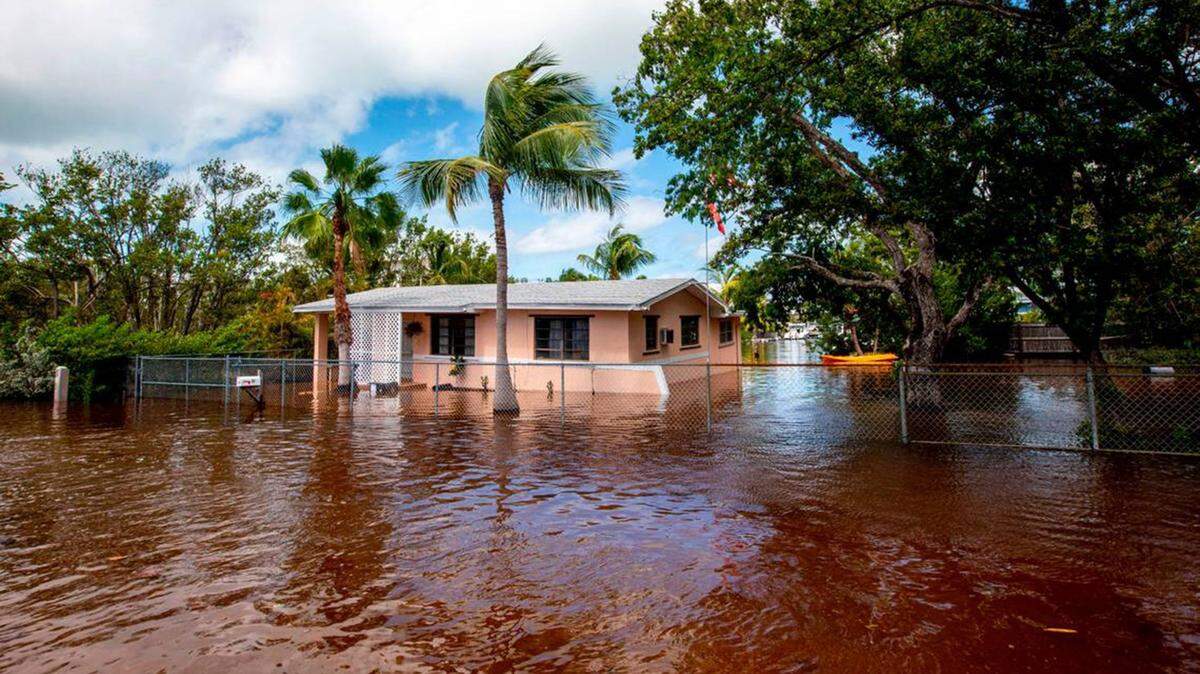
A public service announcement for Floridians: While your state Legislature was concerning itself with the burning issue of which pronouns to allow in schools, Citizens Property Insurance added another 16,000 policies last week, and a total of 29,000 new policies in the last two weeks.
While lawmakers were consumed with trying to crack down on “corporate activism,” Citizens President and CEO Tim Cerio said he expects the number of policies to reach 1.5 million by the end of the year.
And while legislators were diligently turning their attention to handing Gov. Ron DeSantis a huge wad of cash — $98 million of our money — to expand the State Guard into an unneeded and unnerving private army, Citizens was asking for a whopping 14% rate hike for all “personal lines” coverage, such as single-family homes.
This, then, is the price of all these drummed-up battles over “woke”: a Legislature too busy with politically motivated attacks directed by puppeteer DeSantis to address the serious issues of the day that affect broad swaths of the state.
And Florida’s homeowners get no relief, despite a special session last year, ostensibly called to address the insurance crisis.
Lawmakers keep telling us to wait. Give it some time. The changes they’ve made will kick in.
Sure, and there’s a bridge in Brooklyn that you want to sell us.
More out-of-pocket costs
Meantime, back in the real world, things are going hard in the opposite direction. Florida policy holders will likely see a huge hike in rates this year and, possibly, an ominous-sounding “hurricane tax” — an as-yet unknown fee that would be paid by all property-insurance holders in the state.
Hurricane Ian’s multibillion-dollar hit last year means that Citizens — created as the insurer of last resort in the state — now only has about $4.9 billion in surplus funds, nearly $2 billion less than in previous hurricane seasons, as reported by the Miami Herald. All it’ll take is another big storm or several smaller ones, and we could be facing that hurricane tax. Add it to unaffordable rents, home purchase prices out of the reach of many and wages that haven’t come close to keeping up, and Florida starts to look like the state where home ownership goes to die.
So where are the task forces, the emergency committees, the hearings in Tallahassee? Where are town halls in the home district on the topic of Florida’s insurance crisis? Where are the lawmakers jumping up and down trying to help solve this worsening problem for the people they represent?
Nowhere. Legislators seem to have become deaf to the needs of their constituents, hearing only their master’s voice as he continues his relentless march to acquire more power on his way to a presumed run for the presidency. And the governor? He’s in Michigan, last we checked. Or was that Iowa?
Good news scarce
Sure, there are small bits of good news for consumers coming out of Tallahassee — like the passage of the affordable-housing bill. It’s a $711 million plan, a priority for Senate President Kathleen Passidomo, that will more than double funding for housing and rental programs and create incentives for more affordable housing.
But that sort of sober policy-making has been drowned out in Florida by culture wars over things like remaking the New College of Florida, a tiny, liberal, public college. It has barely 700 students, but it somehow got the full attention of the governor, who set out to crush that small bastion of “free thinkers.”
And yet how many people are insured by Citizens? Over 1.2 million and counting.
Florida’s lawmakers have lost their way. So has the governor. They’re so busy stoking anger to pave his road to the White House that they’re forgetting the broader concerns of their constituents.
And they’re forgetting this: Anger, once stirred, isn’t so easily tamped down. If Floridians don’t start seeing relief on property insurance soon, that anger might find itself a whole new target.
BEHIND THE STORY
MOREWhat's an editorial?
Editorials are opinion pieces that reflect the views of the Miami Herald Editorial Board, a group of opinion journalists that operates separately from the Miami Herald newsroom. Miami Herald Editorial Board members are: opinion editor Amy Driscoll and editorial writers Isadora Rangel and Mary Anna Mancuso. Read more by clicking the arrow in the upper right.
What's the difference between an op-ed and a column?
How does the Miami Herald Editorial Board decide what to write about?
The Editorial Board, made up of experienced opinion journalists, primarily addresses local and state issues that affect South Florida residents. Each board member has an area of focus, such as education, COVID or local government policy. Board members meet daily and bring up an array of topics for discussion. Once a topic is fully discussed, board members will further report the issue, interviewing stakeholders and others involved and affected, so that the board can present the most informed opinion possible. We strive to provide our community with thought leadership that advocates for policies and priorities that strengthen our communities. Our editorials promote social justice, fairness in economic, educational and social opportunities and an end to systemic racism and inequality. The Editorial Board is separate from the reporters and editors of the Miami Herald newsroom.
How can I contribute to the Miami Herald Opinion section?
The Editorial Board accepts op-ed submissions of 650-700 words from community members who want to argue a specific viewpoint or idea that is relevant to our area. You can email an op-ed submission to oped@miamiherald.com. We also accept 150-word letters to the editor from readers who want to offer their points of view on current issues. For more information on how to submit a letter, go here.