Home to many a Proud Boy, Miami gets tested by Trump’s day in court | Opinion
READ MORE
Donald Trump federal indictment
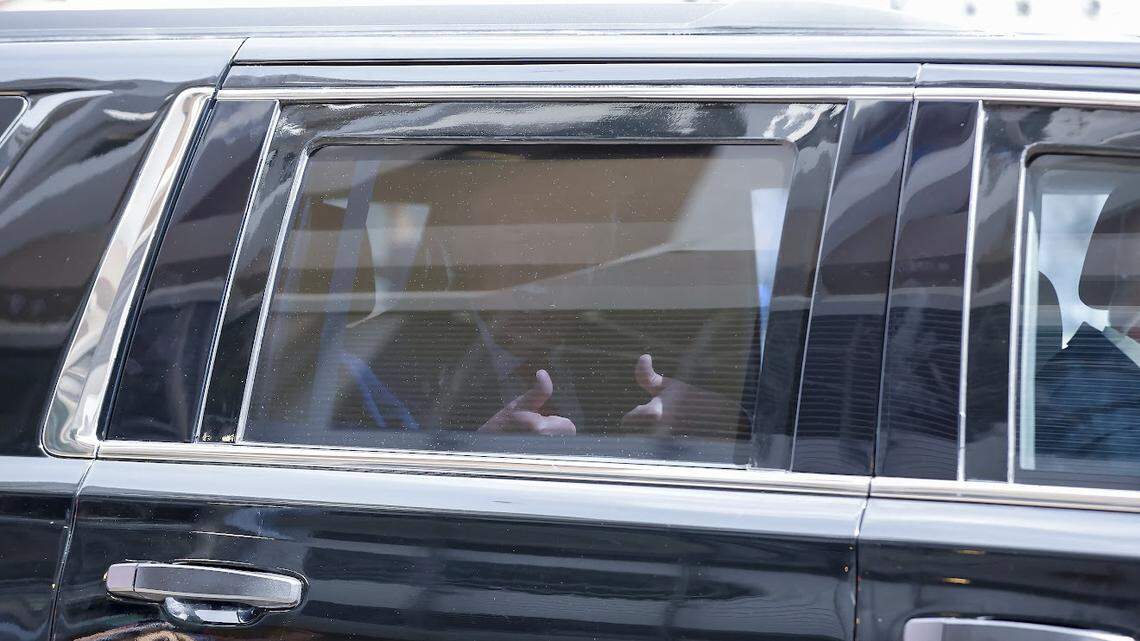
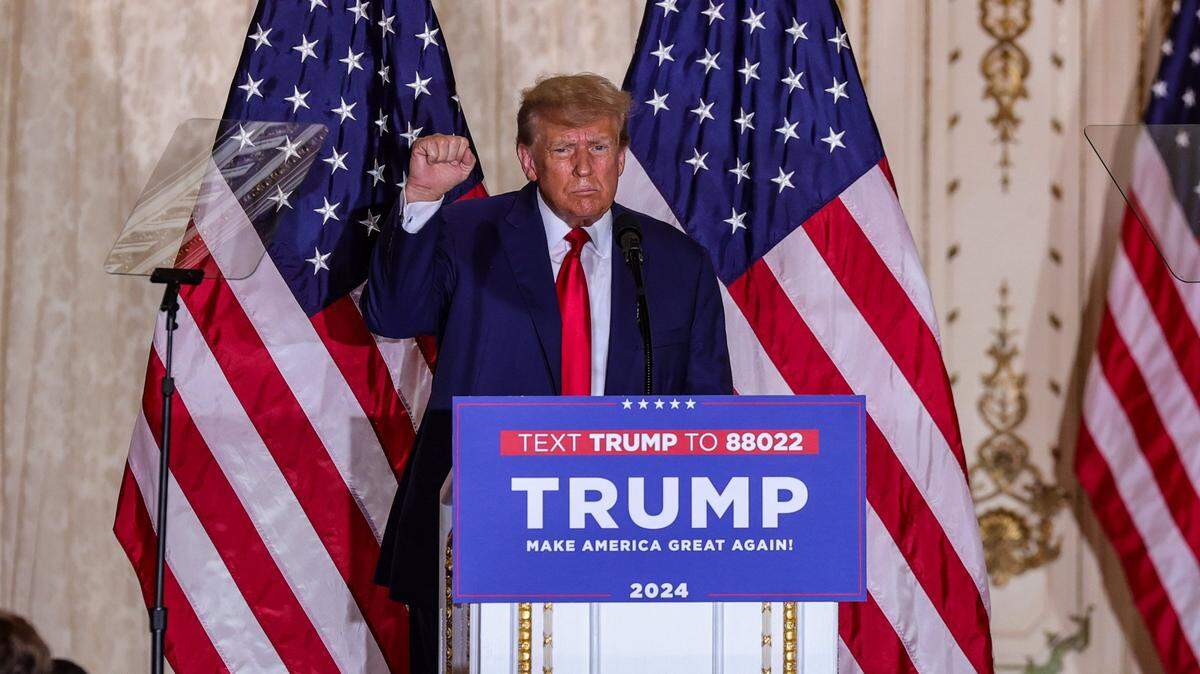
Former president Donald Trump is set to appear Tuesday at the Miami federal courthouse for an initial hearing on criminal charges related to his keeping of classified documents.
Expand All
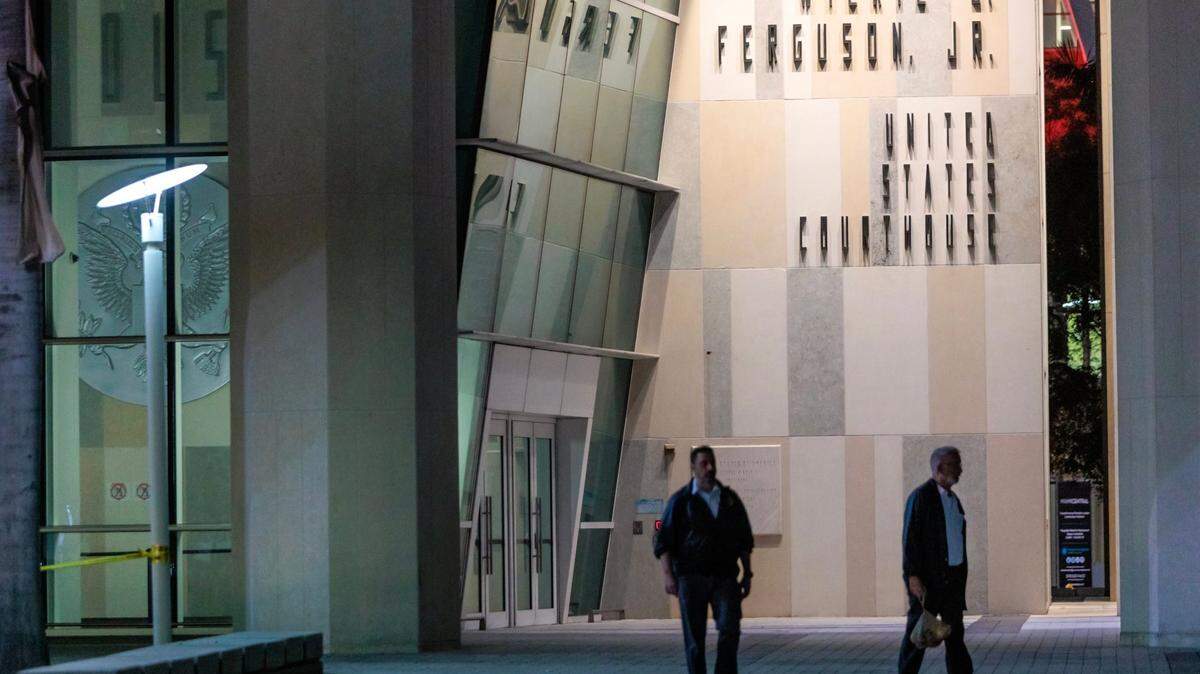
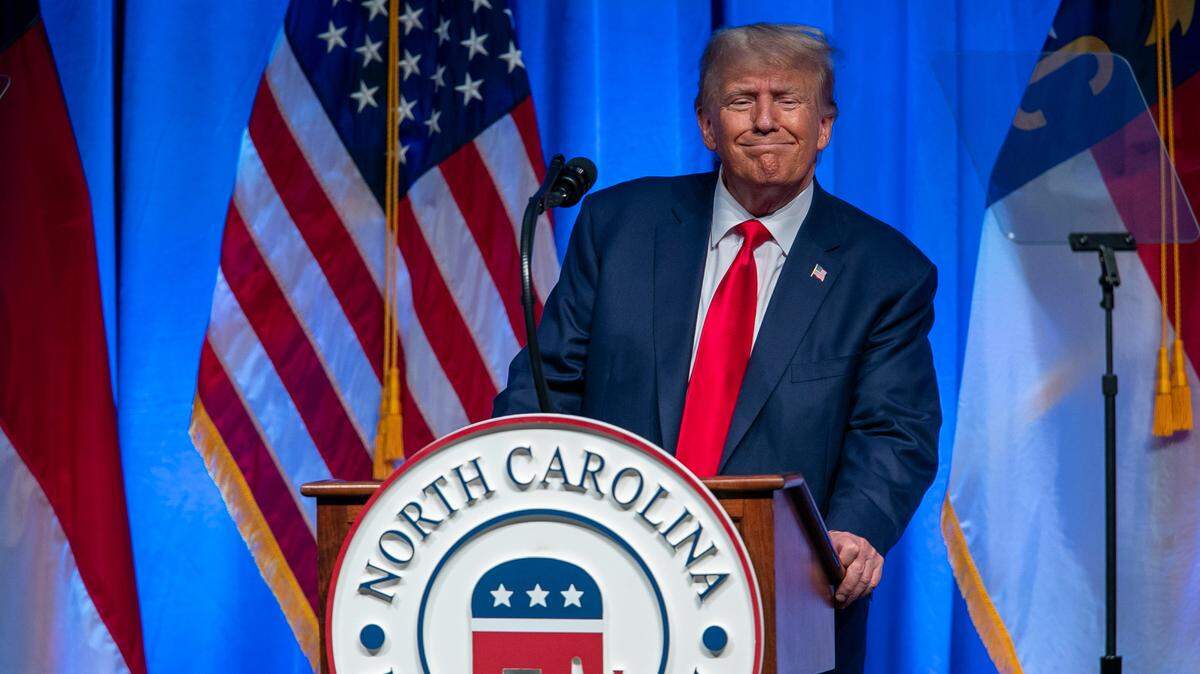
Miami’s federal courthouse will become the center of the political universe Tuesday, when former President Donald Trump is expected to surrender for his first appearance on a 37-count indictment that includes charges of violating the Espionage Act and conspiring to obstruct justice.
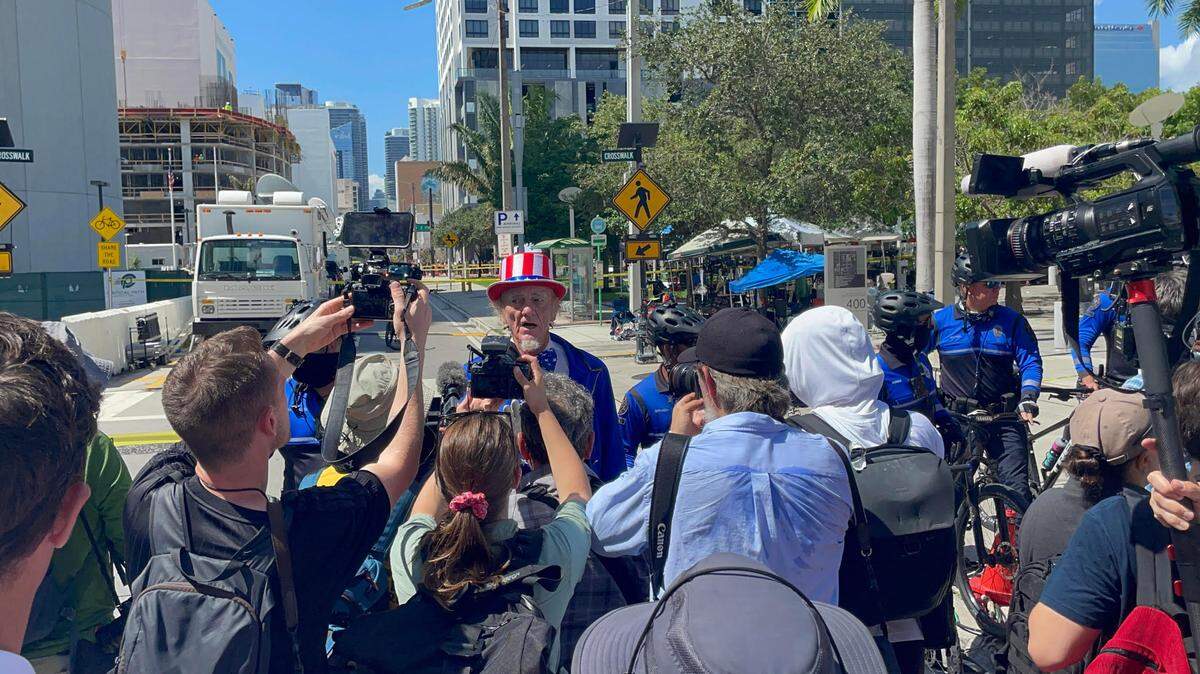
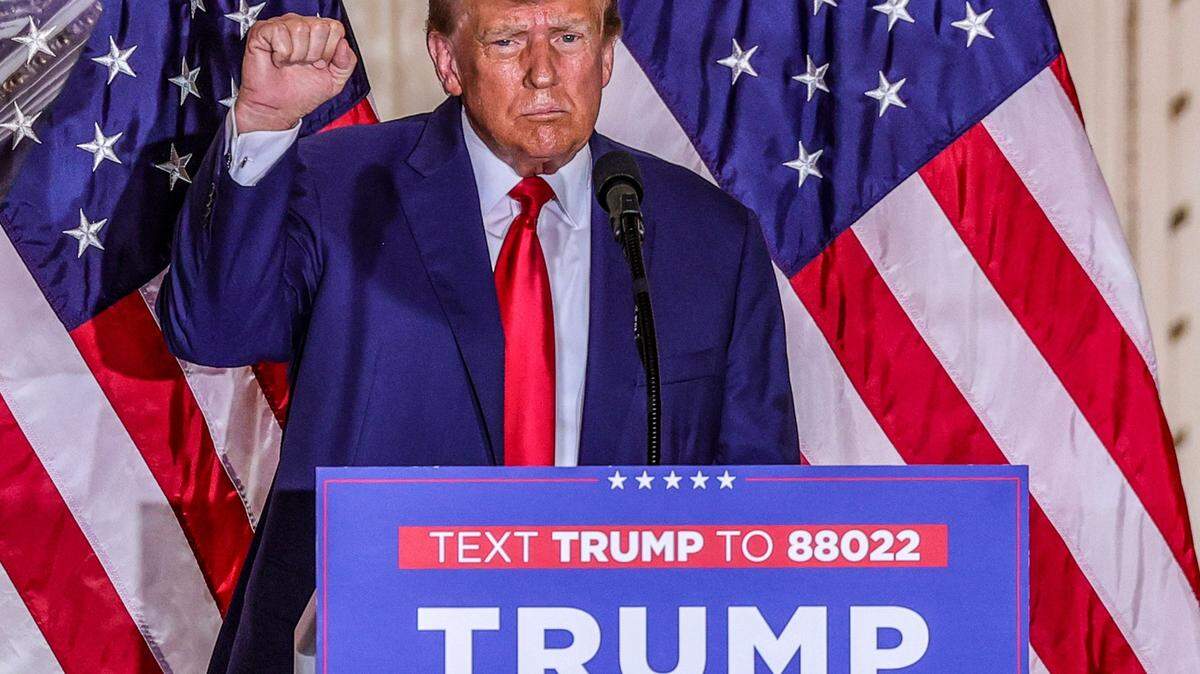
Miami is on edge, understandably. Amid escalating threats online and defiance from Trump and his allies, Trump once again has egged on his supporters, posting on a social media account overnight: “See you in Miami on Tuesday.” There are plans for increased federal and local security for protests, including one outside the federal courthouse downtown on Tuesday. That rally might include the Proud Boys, a far-right extremist group that has plagued the city for years.
Will Miami become a shameful spectacle of violence and disorder, with Trump protesters allowed to create chaos downtown? Or will it be a moment when the city demonstrates its maturity and shows that, yes, it can handle such an extraordinary event?
Much depends on the tone set by city leaders. Mayor Francis Suarez hosted a news conference Monday, reassuring citizens of Miami and across the country that security will be tight. He said the city has experience in handling large protests, citing the ones after the death of George Floyd. He wisely avoided questions about his rumored entry into the 2024 GOP presidential primary, which he’s supposed to announce Thursday.
Setting the tone
“We’re taking this very seriously,” Suarez told reporters. He said: “We believe that people should have the right to express themselves, but we also believe in law and order . . . We hope that tomorrow will be peaceful.”
When a reporter asked him if, in light of Trump’s encouragement of the mobs during the Jan. 6 assault on the U.S. Capitol, he had asked Trump to stop posting about his Miami court appearance, Suarez responded, “I have not spoken to him. I do not have his phone number,” he said.
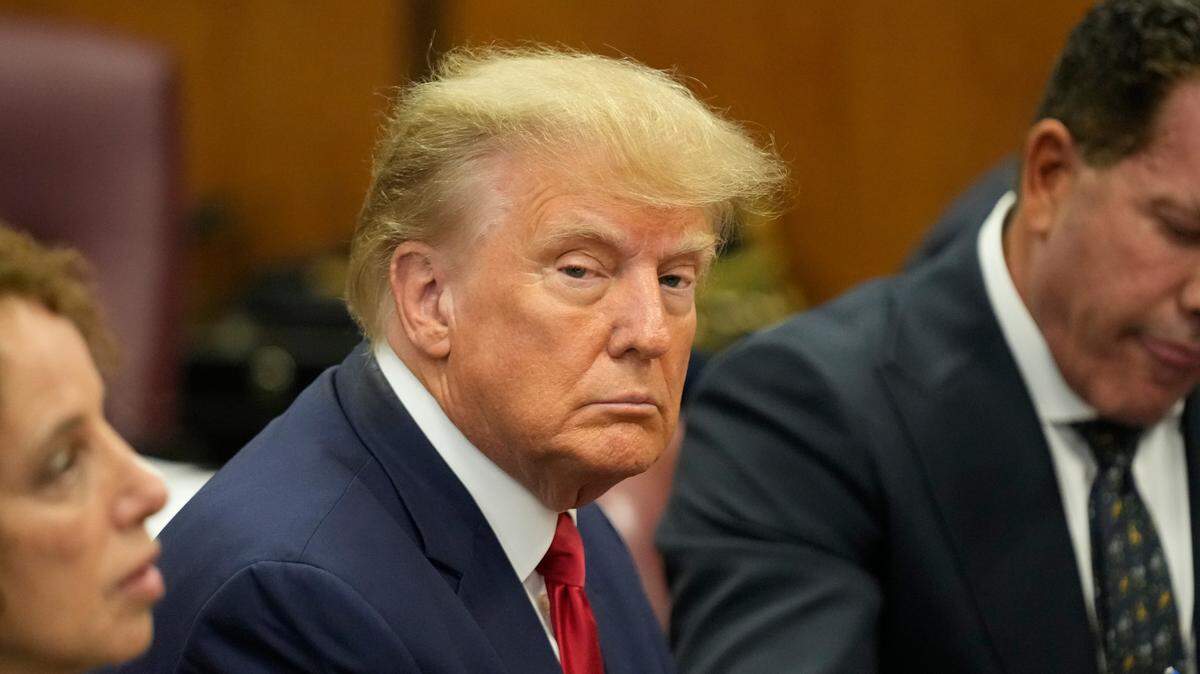
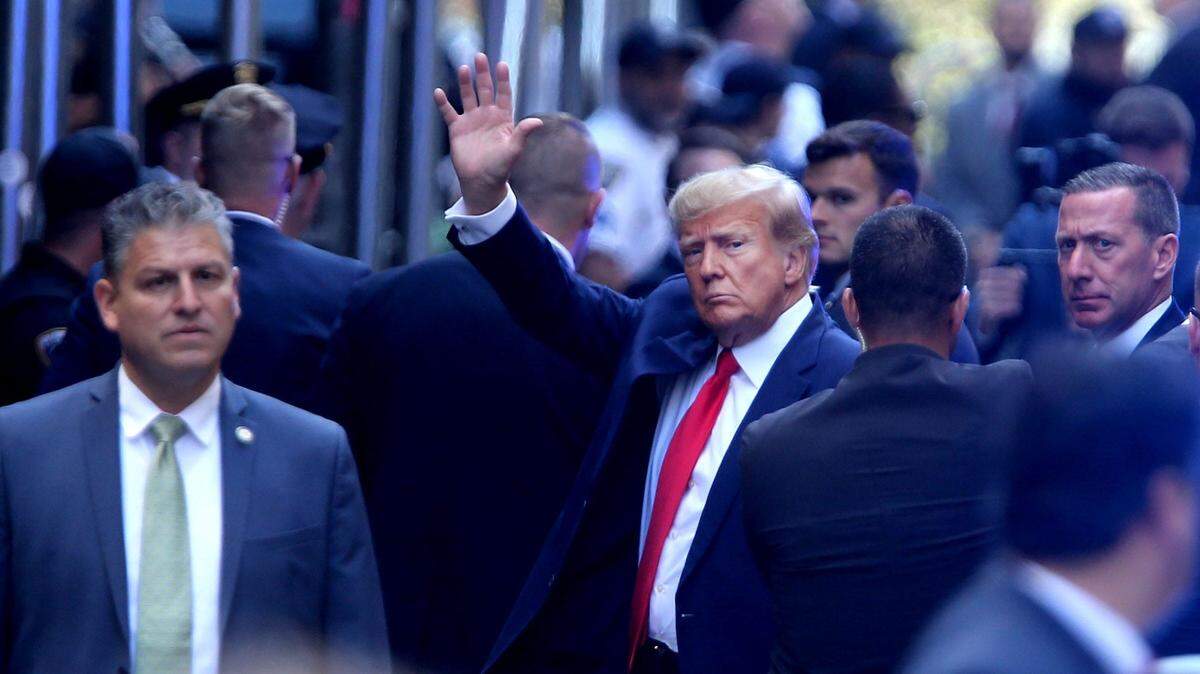
If the New York indictment is any guide, perhaps Tuesday will remain nonviolent. Trump walked into a courthouse as a criminal defendant in New York in April, when he was arraigned on business fraud charges related to his alleged payment to adult film star Stormy Daniels to cover up an affair. Protesters converged on the courthouse in that case, too, as they are expected to do in Miami, and they were loud but largely peaceful.
Will his appearance in Miami, which Trump has said is at 3 p.m., be the same?
Florida isn’t New York. Trump is widely despised in the Big Apple. In Miami, it’s a far different story.
Miami-Dade County, once a solid-blue stronghold, flipped red last year. Trump had narrowly carried Florida in 2016 but grew his margin of victory in 2020 with help from South Florida Hispanic voters. This is also where former Proud Boys chief Enrique Tarrio paraded around for years — with Miami tolerating him — and where other Proud Boys have assumed leadership roles in the local Republican Party’s executive committee. Just last month, Tarrio was found guilty of seditious conspiracy for his role in the deadly Jan. 6 insurrection. Has Miami learned anything from that?
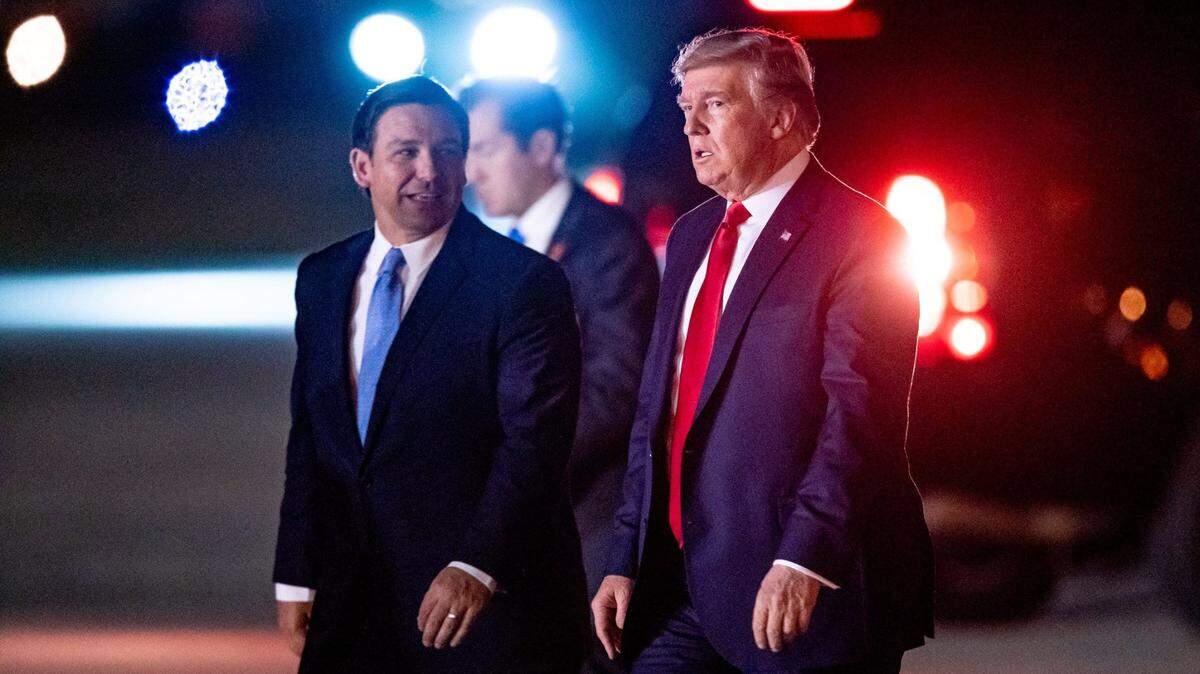
In addition, Florida carries the dishonorable distinction of leading the nation in Capitol riot arrests, with some of our leaders ignoring extremism. Trump may have told the Proud Boys to “Stand back and stand by” during a 2020 presidential debate, but Florida Gov. Ron DeSantis — who wouldn’t immediately disavow a neo-Nazi demonstration in Orlando last year — has said he would consider pardoning some of those convicted in connection to the Jan. 6 attack if he’s elected to the White House.
Trump will find plenty of sympathy in Miami, where misinformation about the 2020 elections still runs rampant, especially on Spanish-language radio. Many of his supporters have already bought into his contention that the 37 charges against him are politically motivated. He recently posted on his Truth Social website that Special Counsel Jack Smith, who has handled the case, is a “deranged lunatic.”
But the weight of the allegations against Trump explains why the Department of Justice allowed this case to move forward.
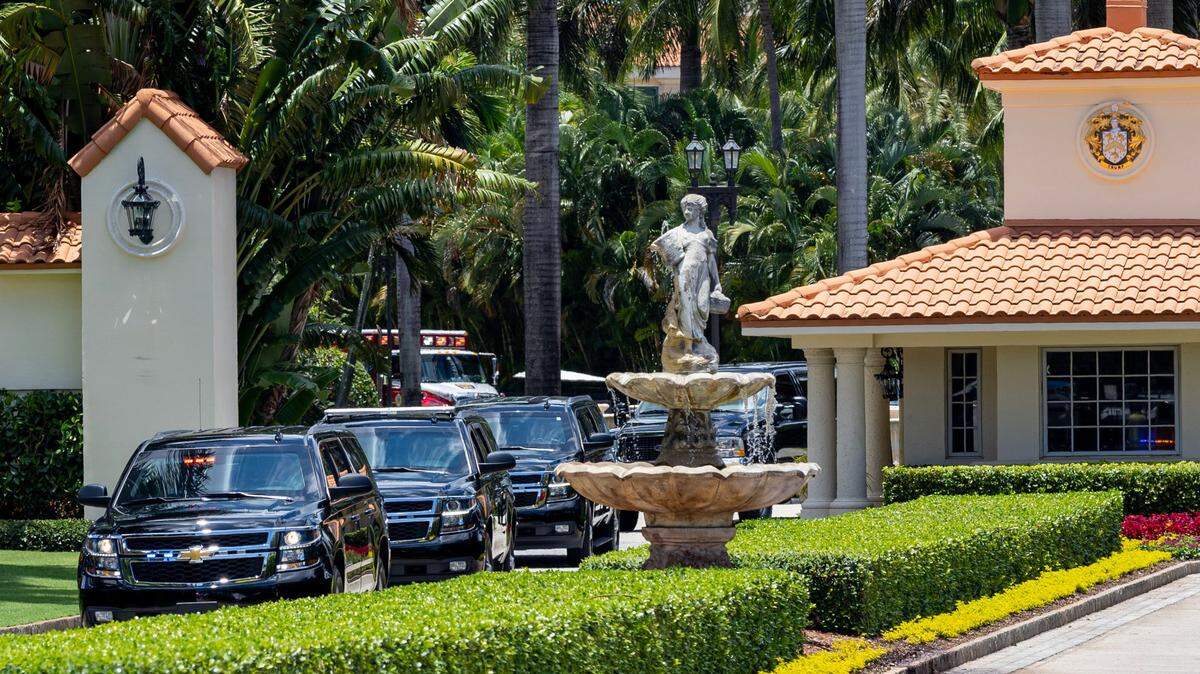
The contention that Trump stored top-secret documents at his Mar-a-Lago estate in Palm Beach in places including a ballroom and a bathroom remains jaw-dropping, days after we saw the indictment. And then there was the rest of it: He “endeavored to obstruct the FBI and grand jury investigations and conceal retention of classified documents,” the indictment states. Worse, he is accused of discussing classified documents with others. The indictment contains transcripts of a conversation with a book author in which Trump discussed a classified military document described as a “plan of attack” against another country. The transcript indicates Trump knew the records had not been declassified.
“See, as president, I could have declassified it,” Trump said. “Now I can’t, you know, but this is still a secret.”
Trump will get his day in court, no thanks to him. It’s a basic premise of the American legal system, one that is also supposed to treat all citizens equally, and it must be carried out.
An ex-president is not above the law, even if he claims to be. No crowds, no protests — peaceful or not — should be allowed to disrupt the judicial process. And now it’s up to Miami to make sure.
BEHIND THE STORY
MOREWhat's an editorial?
Editorials are opinion pieces that reflect the views of the Miami Herald Editorial Board, a group of opinion journalists that operates separately from the Miami Herald newsroom. Miami Herald Editorial Board members are: opinion editor Amy Driscoll and editorial writers Isadora Rangel and Mary Anna Mancuso. Read more by clicking the arrow in the upper right.
What's the difference between an op-ed and a column?
How does the Miami Herald Editorial Board decide what to write about?
The Editorial Board, made up of experienced opinion journalists, primarily addresses local and state issues that affect South Florida residents. Each board member has an area of focus, such as education, COVID or local government policy. Board members meet daily and bring up an array of topics for discussion. Once a topic is fully discussed, board members will further report the issue, interviewing stakeholders and others involved and affected, so that the board can present the most informed opinion possible. We strive to provide our community with thought leadership that advocates for policies and priorities that strengthen our communities. Our editorials promote social justice, fairness in economic, educational and social opportunities and an end to systemic racism and inequality. The Editorial Board is separate from the reporters and editors of the Miami Herald newsroom.
How can I contribute to the Miami Herald Opinion section?
The Editorial Board accepts op-ed submissions of 650-700 words from community members who want to argue a specific viewpoint or idea that is relevant to our area. You can email an op-ed submission to oped@miamiherald.com. We also accept 150-word letters to the editor from readers who want to offer their points of view on current issues. For more information on how to submit a letter, go here.
This story was originally published June 12, 2023 at 6:19 PM.