
The painful saga of Lolita the killer whale has taught Miami a few hard lessons | Opinion
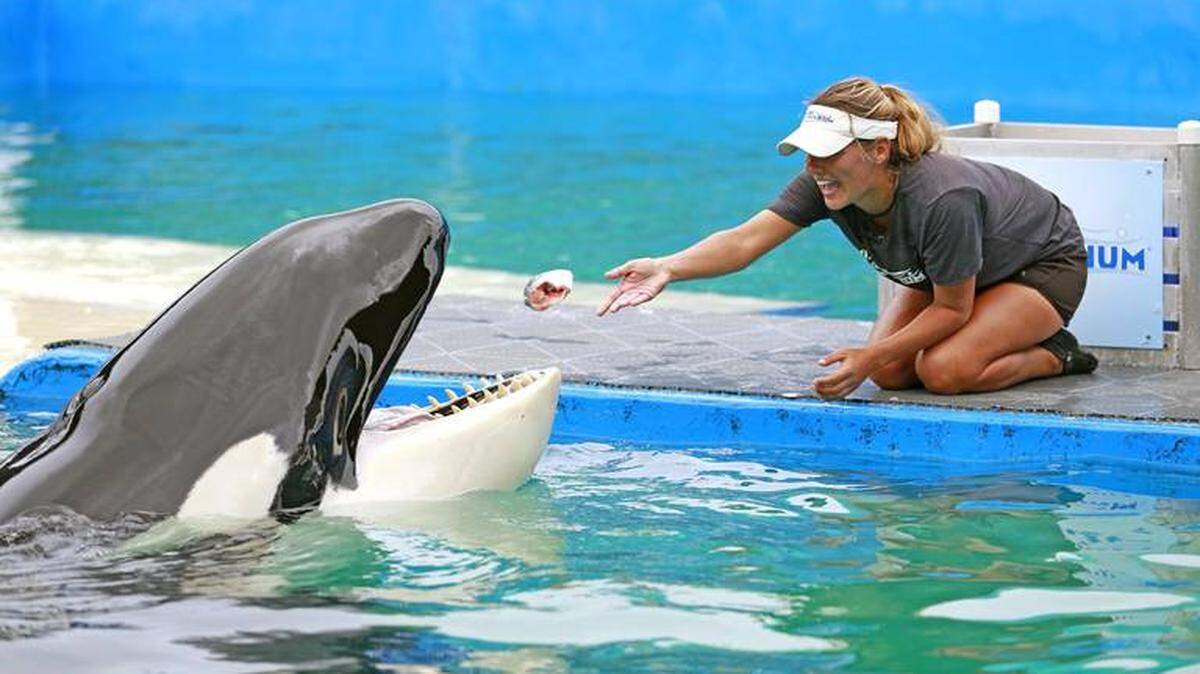
Lolita the orca, the second oldest killer whale in captivity, may finally be returned to the Puget Sound after decades of performing for food as the main attraction at Miami Seaquarium as the clamor to release her grew.
It’s a risky move and wildly expensive, and there’s a lot of red tape. But something had to be done.
Her presence in a tank that seemed obviously too small for the last 50-plus years has been an embarrassment and a sorrow for many in Miami — and increasingly has been considered abusive or just plain wrong. Societal views on wildlife in captivity and performing animals have changed dramatically since Lolita was captured in the Pacific in 1970, but her living situation didn’t really reflect that. She was only retired from performing a year ago.
This week, the theme park, Miami-Dade County, volunteers for the Friends of Lolita group and Indianapolis Colts owner Jim Irsay said they have agreed to find a way to get the 5,000-pound orca back to the Pacific Northwest. County Mayor Daniella Levine Cava called the agreement “historic,” adding that, “Many have hoped and prayed for this result for many, many years.”
Eduardo Albor, CEO of the Dolphin Company, which now operates the Seaquarium, said he and his adult daughter saw Lolita — also known by the Native American name of Tokitae — perform when he was checking out the place before his company took over. His daughter said she couldn’t watch the show anymore because the tank was too small for the whale.
Is moving her the right thing to do? It’s hard to know. It’s certainly expensive. The cost could run as much as $15 million to 20 million, with Irsay, a philanthropist, pledging to help pay for it. The move could take six to nine months. No one knows if she would survive the journey or a return to her pod, the L pod of southern resident orcas. She was captured in Penn Cove off the coast of Washington when she was about 4.
Canada’s last captive orca, Kiska, was supposed to be moved from Marineland near Niagara Falls to a sanctuary in Nova Scotia but died from a bacterial infection on March 9.
And, Keiko, the orca on whom the movie “Free Willy” was based, survived for five years in the ocean before dying of pneumonia. Is that a win? Or a failure? Is “saving Lolita” a romanticized concept with no basis in reality?
We hope her trainers and other experts on her care will make the right choices, and that the coalition of groups involved listens to their recommendations. There have been suggestions that she be moved to SeaWorld in Orlando where she could have a much bigger pool to live in but would remain safe while also reducing the trauma of the move. But even the experts can only know so much. We can’t forget that Lolita’s partner, Hugo, died after repeatedly ramming his head into a wall and suffering a brain aneurysm.
If she is moved to the Northwest, she’ll have to be trained to survive. She is dependent on humans for food, lacking skills to hunt on her own. Her health hasn’t been good. At about 57, she is nearing the end of her life span, although some female orcas in the wild have reportedly lived for decades longer.
This is about more than Lolita, no matter how beloved she is or how disturbing her situation may be considered. By making this announcement, Miami marks a change in the way we exhibit animals and a rethinking of whether they should be forced to entertain us. That won’t help Lolita, stuck in her human-inflicted plight, but it is — at long last — something.
BEHIND THE STORY
MOREWhat's an editorial?
Editorials are opinion pieces that reflect the views of the Miami Herald Editorial Board, a group of opinion journalists that operates separately from the Miami Herald newsroom. Miami Herald Editorial Board members are: opinion editor Amy Driscoll and editorial writers Isadora Rangel and Mary Anna Mancuso. Read more by clicking the arrow in the upper right.
What's the difference between an op-ed and a column?
How does the Miami Herald Editorial Board decide what to write about?
The Editorial Board, made up of experienced opinion journalists, primarily addresses local and state issues that affect South Florida residents. Each board member has an area of focus, such as education, COVID or local government policy. Board members meet daily and bring up an array of topics for discussion. Once a topic is fully discussed, board members will further report the issue, interviewing stakeholders and others involved and affected, so that the board can present the most informed opinion possible. We strive to provide our community with thought leadership that advocates for policies and priorities that strengthen our communities. Our editorials promote social justice, fairness in economic, educational and social opportunities and an end to systemic racism and inequality. The Editorial Board is separate from the reporters and editors of the Miami Herald newsroom.
How can I contribute to the Miami Herald Opinion section?
The Editorial Board accepts op-ed submissions of 650-700 words from community members who want to argue a specific viewpoint or idea that is relevant to our area. You can email an op-ed submission to oped@miamiherald.com. We also accept 150-word letters to the editor from readers who want to offer their points of view on current issues. For more information on how to submit a letter, go here.
This story was originally published March 31, 2023 at 9:54 AM.