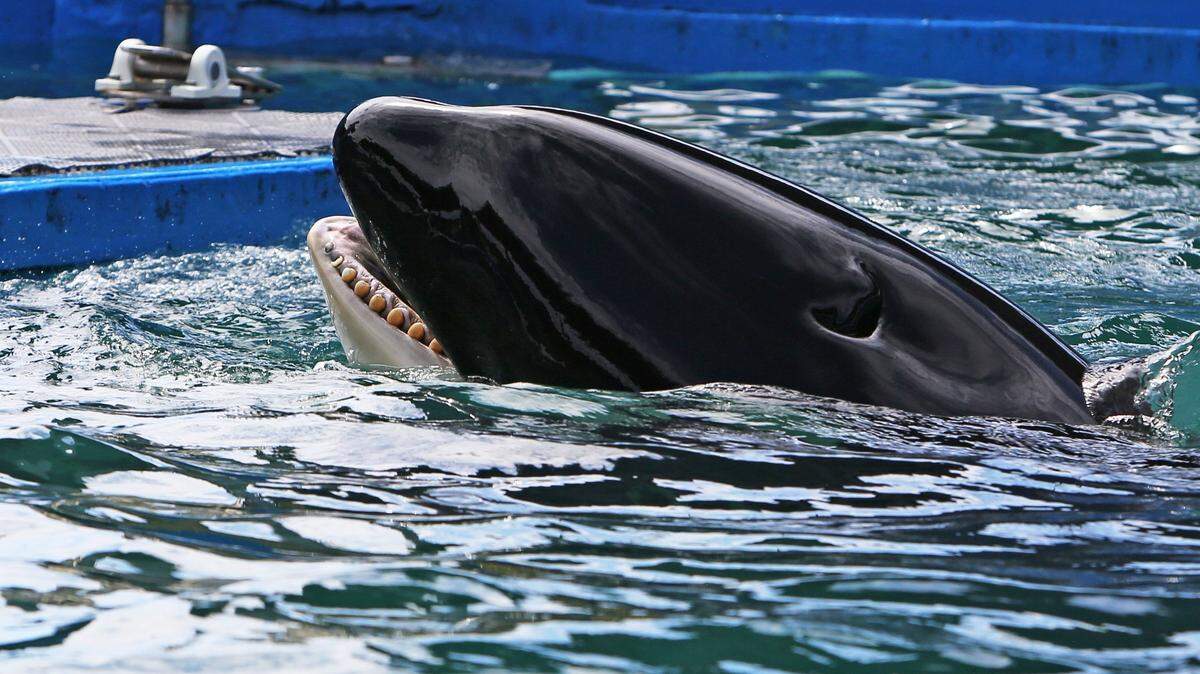
Miami-Dade County

Lolita spent five decades at Miami Seaquarium. Watch footage of her through the years

READ MORE


Death of Lolita

Read more coverage on the death of Lolita, the orca that was a star attraction in captivity at the Miami Seaquarium.

Expand All

Lolita, the performing orca at the Miami Seaquarium for more than 50 years, might have lived out her years in freedom.

Despite many hurdles ahead, the Virginia Key theme park and a group of volunteers announced plans on March 30 to release Lolita back home to the Pacific Northwest.

That won’t happen. The famous orca died, the Seaquarium announced Friday, Aug. 18.

KNOW MORE: ‘Historic’ deal clears way to move killer whale from Miami

Lolita has been a part of Miami since 1970, when she was captured and brought to the Seaquarium to perform with another killer whale, Hugo. After his death in 1980, Lolita has been a solo act.

Here is a look at Lolita through the years:

The beginning
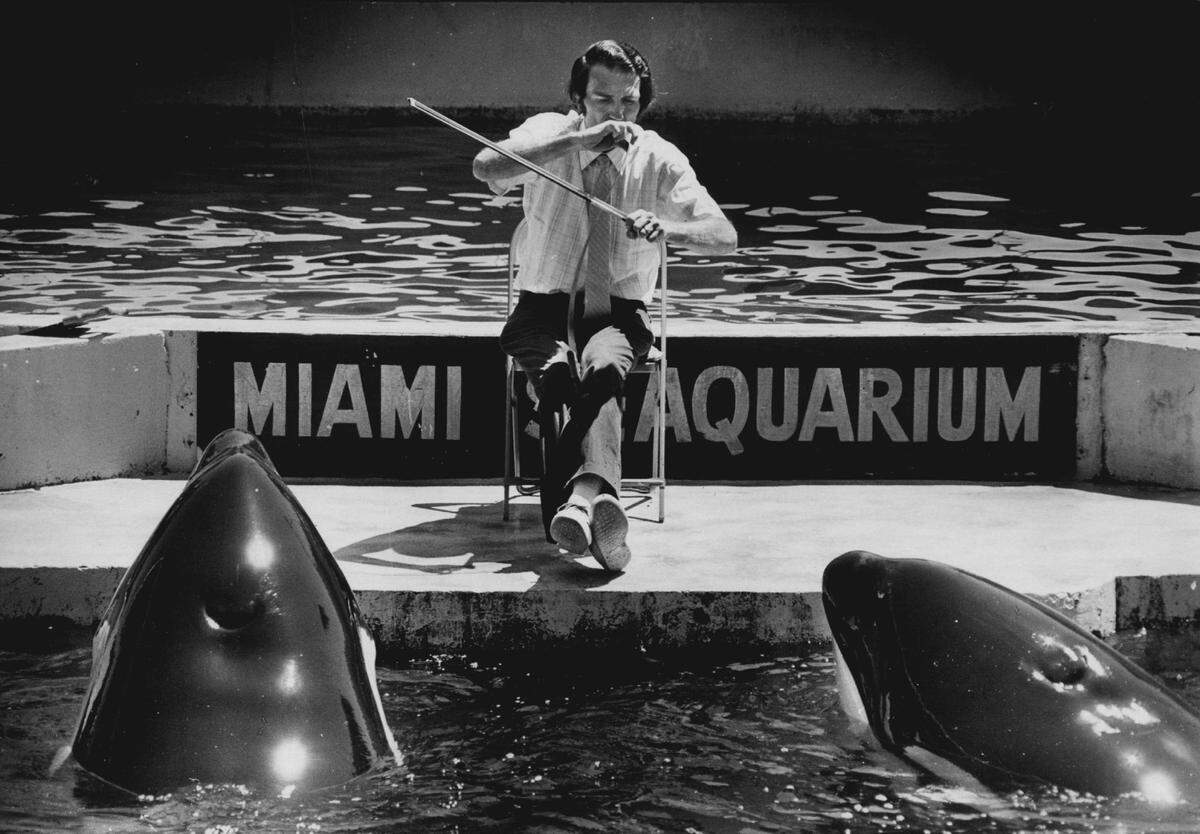
Jim Turner serenades the killer whales, Hugo, left, and Lolita, at the Seaquarium. with Bach sonatas on his musical saw. Turner played for 20 minutes to the attentive pair, and tagged them “a great audience.”
Jim Turner serenades the killer whales, Hugo, left, and Lolita, at the Seaquarium. with Bach sonatas on his musical saw. Turner played for 20 minutes to the attentive pair, and tagged them “a great audience.” Miami Herald File/1979
Lolita, formerly known as Tokitae, was captured in August, 1970 during a mass capture of killer whales in Penn Cove, Washington State. It was taken to the Seattle Aquarium and sold to the Seaquarium that same month.
Lolita, formerly known as Tokitae, was captured in August, 1970 during a mass capture of killer whales in Penn Cove, Washington State. It was taken to the Seattle Aquarium and sold to the Seaquarium that same month. Courtesy of Wallie V. Funk Photographs, Center for Pacific Northwest Studies, Western Washington University
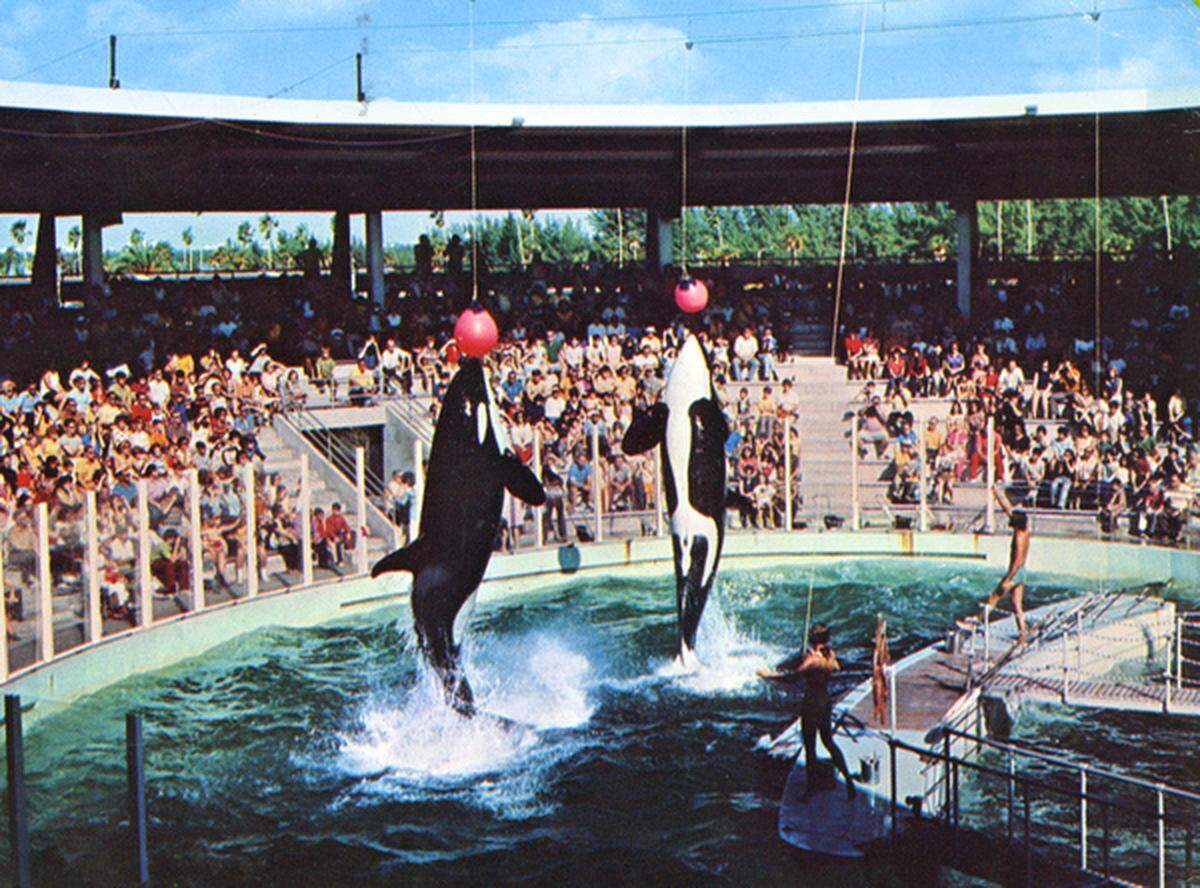
Hugo and Lolita perform in the 1970s.
Hugo and Lolita perform in the 1970s. State Library and Archives of Florida

Capture: Lolita was captured in Puget Sound in Washington state in 1970 and brought to the Miami Seaquarium, where she began performing.

Partner: When she arrived in Miami, she began performing with the Seaquarium’s star attraction at the time, Hugo the killer whale. They performed together for 10 years. Hugo died in 1980 of a brain aneurysm.

Tale of the tape
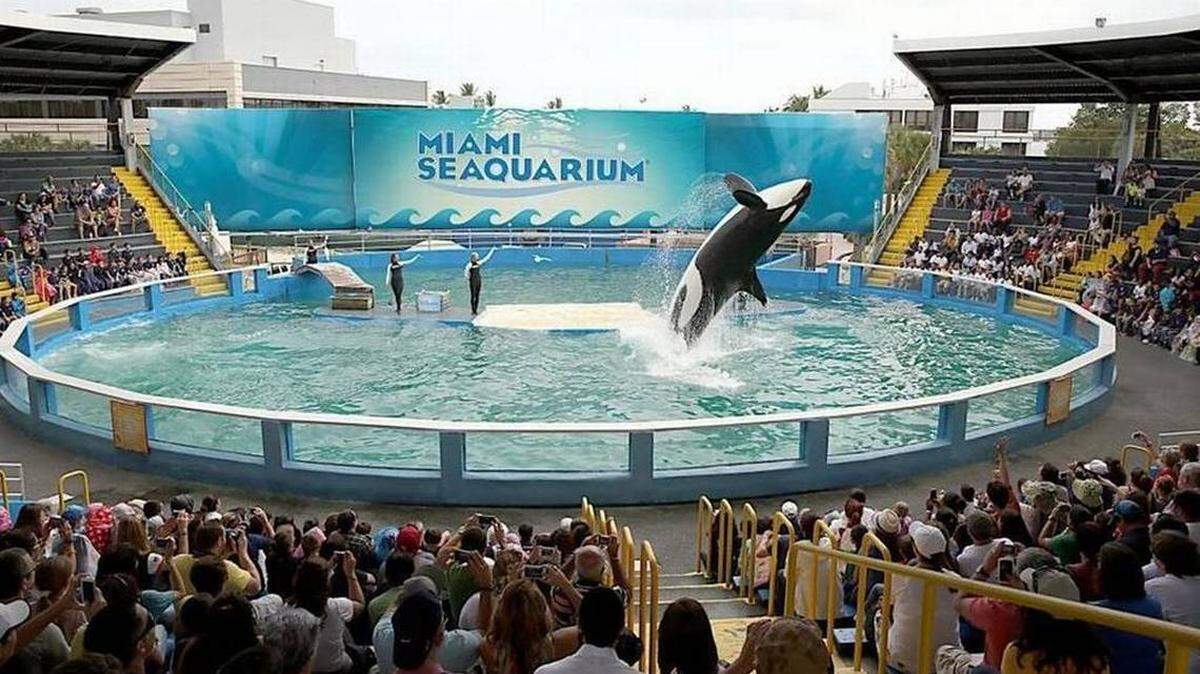
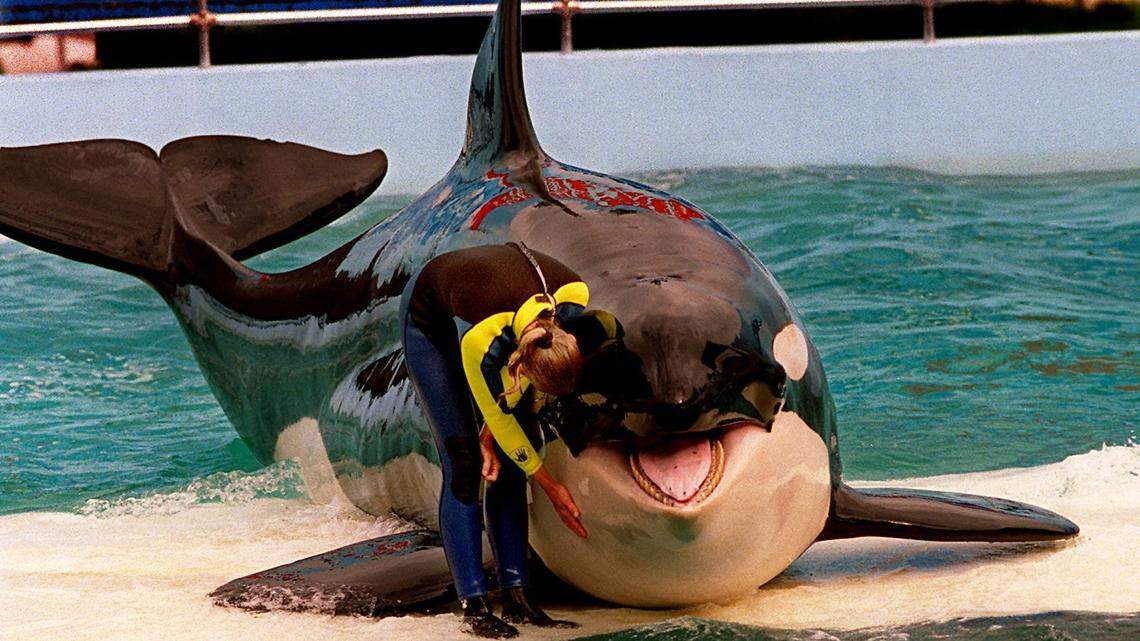
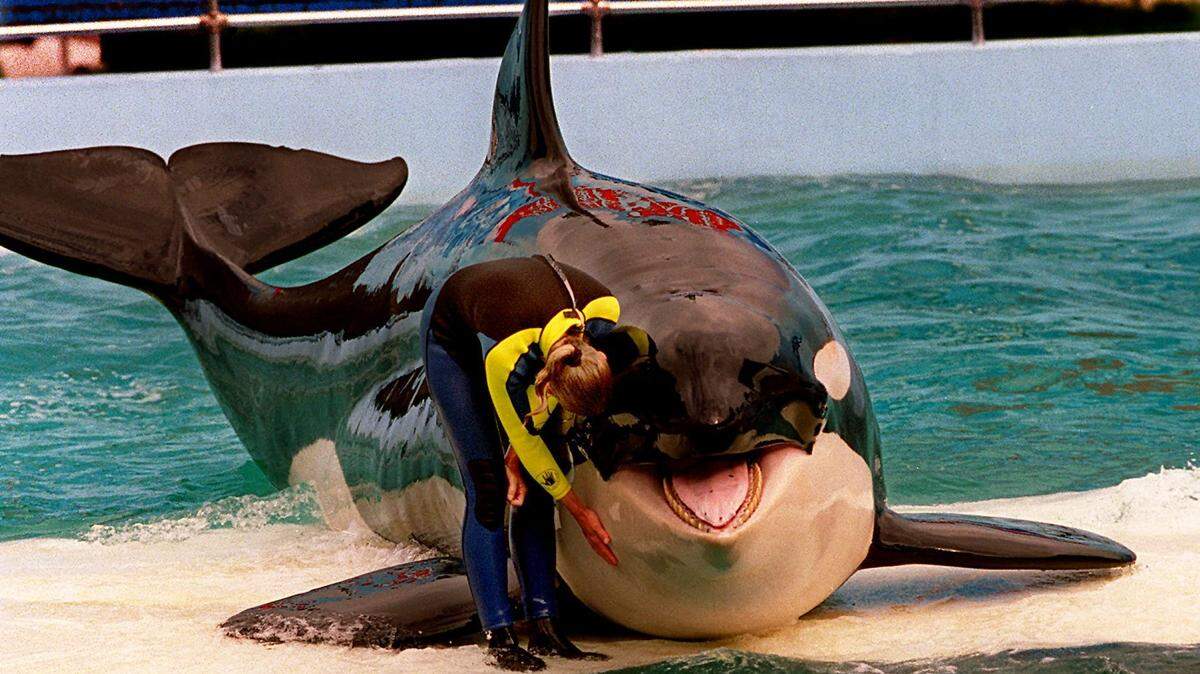
Lolita the killer whale, now known as Toki, performs in her stadium tank. She’s about 57 years old and was the main attraction at Miami Seaquarium for decades.
Lolita the killer whale, now known as Toki, performs in her stadium tank. She’s about 57 years old and was the main attraction at Miami Seaquarium for decades. Miami Herald File

Measurements and age: Lolita is 57 years old, 20 feet long and 7,000 pounds. She has been living in a 20-foot-deep tank.

Name: Her stage name is Lolita. Trainers call her Tokitae or Toki.

Investigation

Her tank size and conditions have been an issue for years, and Lolita has not been performing for several months after a USDA investigation and health issues.

‘Free Lolita’

Campaign: She was the focus of a “Free Lolita” campaign, even before the movies “Blackfish” and “Free Willy” intensified the effort, and has been in the spotlight at PETA-led protests in front of the attraction.

Killer whales or whale killers?
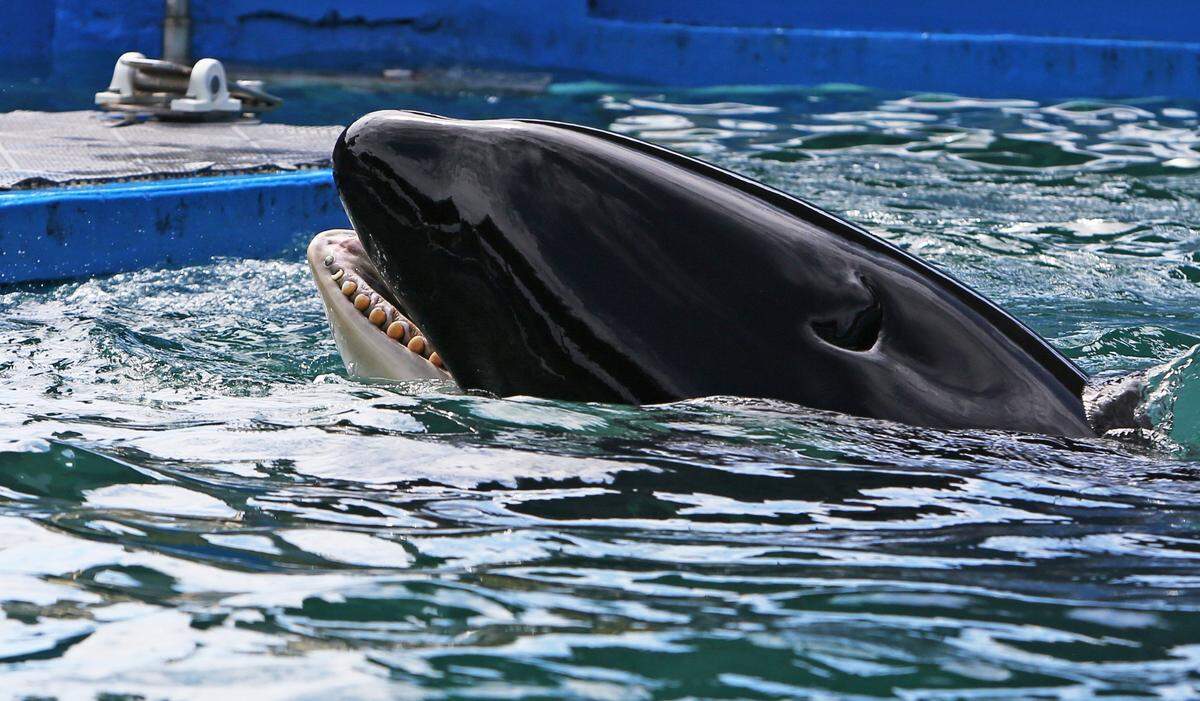
Lolita, Miami Seaquarium’s orca, swims in her tank Wednesday morning, Sept. 12, 2018, during play time with her trainers. American Humane, the country’s first national humane organization and the world’s largest certifier of animal welfare and well-being, was on hand at the Miami Seaquarium to announce a certification earned by the Miami Seaquarium. American Humane says that the park passed rigorous and lengthy third-party audits to join fewer than two dozen institutions in the United States in earning the certification.
Lolita, Miami Seaquarium’s orca, swims in her tank Wednesday morning, Sept. 12, 2018, during play time with her trainers. American Humane, the country’s first national humane organization and the world’s largest certifier of animal welfare and well-being, was on hand at the Miami Seaquarium to announce a certification earned by the Miami Seaquarium. American Humane says that the park passed rigorous and lengthy third-party audits to join fewer than two dozen institutions in the United States in earning the certification. Emily Michot emichot@miamiherald.com

Dolphin family: Killer whales like Lolita are orcas, members of the dolphin family. In a reversal of their nickname, they can be whale killers. A study has found they kill and eat blue whales in the wild.

This story was originally published March 30, 2023 at 1:39 PM.

Jeff Kleinman
Miami Herald
Consumer Team Editor Jeff Kleinman oversees coverage for health, shopping, real estate, tourism and recalls/scams/fraud.
Get unlimited digital access
#ReadLocal

Try 1 month for $1

CLAIM OFFER

Death of Lolita

Read more coverage on the death of Lolita, the orca that was a star attraction in captivity at the Miami Seaquarium.