
Nobel Prize nod spotlights Florida felon voting rights. That must burn in Tallahassee | Opinion
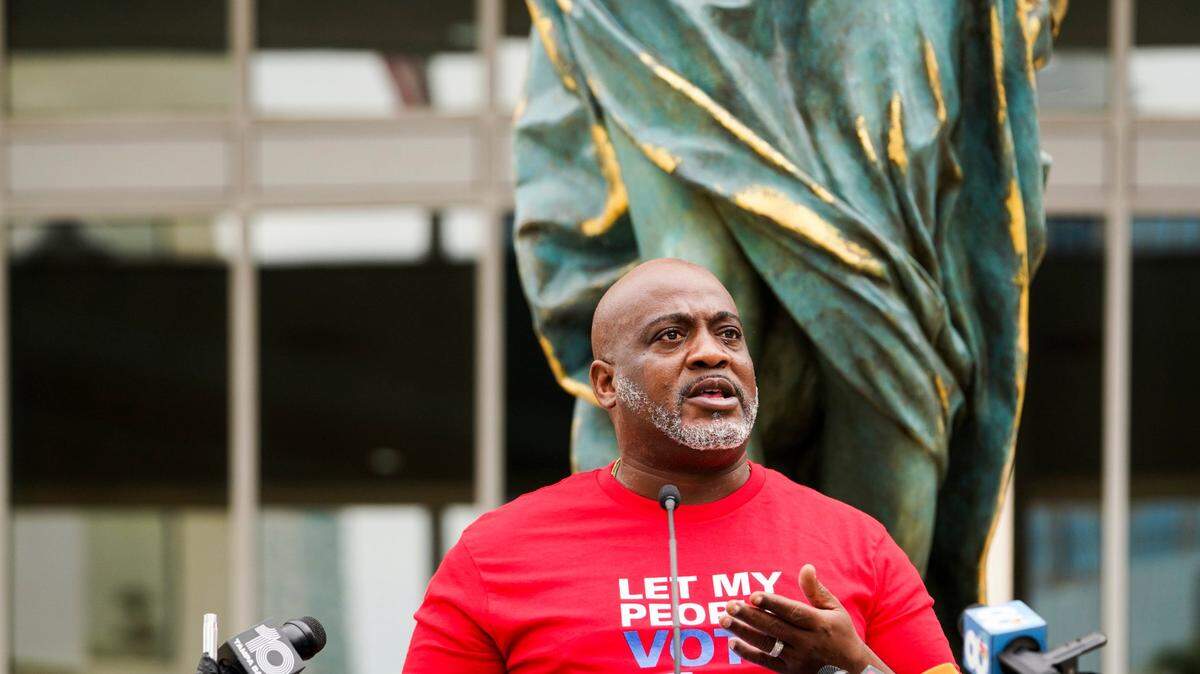
The Florida Rights Restoration Coalition, an Orlando group that led the vital campaign to pass Amendment 4 and restore voting rights to more than a million felons in the Sunshine State, was nominated last week for the Nobel Peace Prize.
That’s great. It’s deserved. We’re glad to see the group recognized for such important work. Meanwhile, Florida’s government is doing everything but standing on its head to cripple and undermine the amendment.
In case you’ve forgotten, Floridians showed their support for second chances in 2018, approving Amendment 4 with nearly 65% of the vote. The amendment restored voting rights to about 1.4 million non-violent felons. Anyone convicted of murder or sexual offenses still has to ask the governor and Cabinet to restore their voting rights, a reasonable safeguard.
Progress, blocked
Until then, Florida had been on a shameful list, one of just four states that didn’t restore the right to vote unless a state board approved it. But it took a citizen’s petition with more more 800,000 names on it to put the issue before voters. The strong percentage of approval from voters marked a moment of progress in our state.
But the Legislature and Gov. Ron DeSantis couldn’t let that stand: Respect what the voters said? Not on our watch!
Subtext: What if a bunch of those new voters became Democrats?
The very next year, the Republican Legislature passed restrictions on voting-rights restoration, requiring felons to pay any fines, fees or restitution first. The FRCC countered, raising some $30 million to help 40,000 Floridians repay outstanding court debts and regain their right to vote.
The state wasn’t done. More recently, it created an elections police force — another DeSantis fear-mongering special — whose first big flex was to arrest 20 ex-felons on charges of voter fraud. Not enough to swing any election, except maybe class president, and a far cry from the menace that DeSantis portrayed during the bill signing in Broward County, where he was flanked by law-enforcement officers and vowed to make election wrong-doers “pay the price.”
The cases have been falling apart, no surprise, but the damage is done. Why risk voting if you might get tossed back in jail, even if — as happened in some cases — you were given a voter’s registration card and had every reason to believe that you were voting legally? That amounts to voter suppression, at its core.
Accomplished advocates
The work done by the Florida Rights Restoration Coalition and its leader, Desmond Meade, shows what Florida could be, a state where everyone gets a fair shake and where compassion has a place. Meade is an inspiring leader for that cause. A former addict and felon, he turned his life around and went to law school. Among his accolades: He won the MacArthur Fellowship, known as the “genius grant,” for his work.
Now the organization he heads is nominated for one of the most prestigious awards in the world. It almost doesn’t matter if the coalition wins. It has already changed the lives of so many people — offering hope, expanding democracy.
That must burn some of the folks in Tallahassee. With this nomination, an international spotlight is shining on the injustices of this state. What the light reveals isn’t pretty.
BEHIND THE STORY
MOREWhat's an editorial?
Editorials are opinion pieces that reflect the views of the Miami Herald Editorial Board, a group of opinion journalists that operates separately from the Miami Herald newsroom. Miami Herald Editorial Board members are: opinion editor Amy Driscoll and editorial writers Isadora Rangel and Mary Anna Mancuso. Read more by clicking the arrow in the upper right.
What's the difference between an op-ed and a column?
How does the Miami Herald Editorial Board decide what to write about?
The Editorial Board, made up of experienced opinion journalists, primarily addresses local and state issues that affect South Florida residents. Each board member has an area of focus, such as education, COVID or local government policy. Board members meet daily and bring up an array of topics for discussion. Once a topic is fully discussed, board members will further report the issue, interviewing stakeholders and others involved and affected, so that the board can present the most informed opinion possible. We strive to provide our community with thought leadership that advocates for policies and priorities that strengthen our communities. Our editorials promote social justice, fairness in economic, educational and social opportunities and an end to systemic racism and inequality. The Editorial Board is separate from the reporters and editors of the Miami Herald newsroom.
How can I contribute to the Miami Herald Opinion section?
The Editorial Board accepts op-ed submissions of 650-700 words from community members who want to argue a specific viewpoint or idea that is relevant to our area. You can email an op-ed submission to oped@miamiherald.com. We also accept 150-word letters to the editor from readers who want to offer their points of view on current issues. For more information on how to submit a letter, go here.